
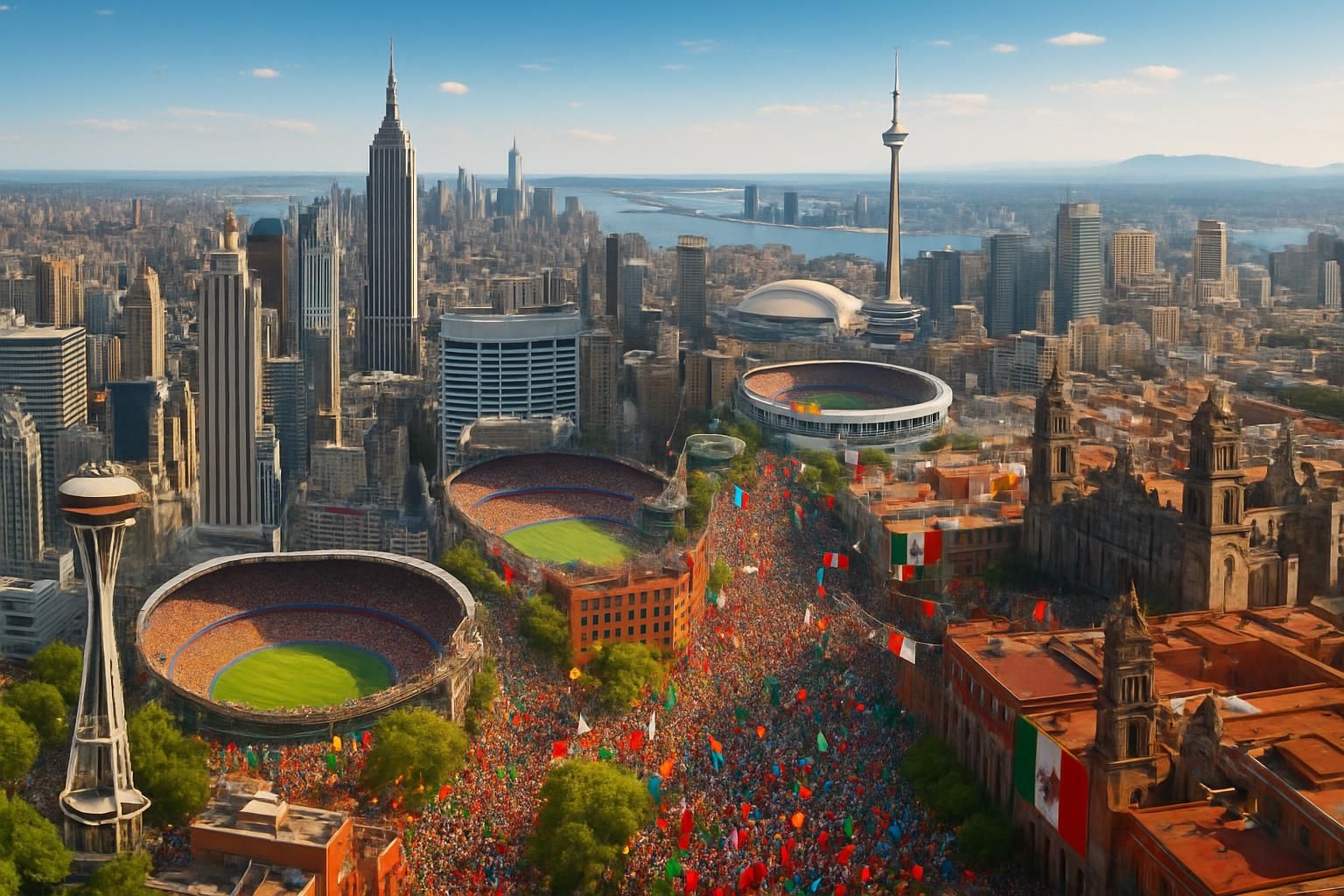
Get ready, football fans! The 2026 FIFA World Cup is coming in hot with a historic lineup of 16 host cities across North America—yes, you read that right, three countries rolling out the green carpet. For the very first time ever, the tournament venues will be split between the United States, Canada, and Mexico, making this an epic soccer fiesta not just bigger but bolder. If you’re wondering where all the magic will happen, which stadiums will shake with cheers, and how to plan your event planning around the match schedule, you’re in the right place. From mammoth stadiums like MetLife, set to host the final, to legendary grounds such as Estadio Azteca, fans will be spoiled for choice. Let’s dive into the juicy details and set you up for what to expect in this unparalleled football carnival!
In brief:
⚽ The 2026 FIFA World Cup spans 16 stadiums in three countries — USA (11), Mexico (3), and Canada (2).
🏟️ MetLife Stadium (New York/New Jersey) stands as the largest venue and likely Final stage.
🌟 Iconic meets innovation with Estadio Azteca hosting its third World Cup and SoFi Stadium showing off cutting-edge modernity.
✈️ Fans will navigate an expansive tournament footprint, meaning smart travel plans are key.
📅 The event runs from June 11 to July 19, promising non-stop soccer drama with an expanded roster of 48 teams.
Meet the 16 FIFA World Cup 2026 Host Cities Ready to Rock
The selection of cities and stadiums for this event sheds light on a tournament designed to dazzle. The United States hosts the lion’s share with an impressive 11 venues, from the iconic stadiums of New York/New Jersey and Los Angeles to energetic crowds in Kansas City and Miami. Canada chips in with two venues — Toronto’s BMO Field and Vancouver’s BC Place, both known for fan-friendly atmospheres and top-notch facilities. Meanwhile, Mexico proudly hosts three venues including the legendary Estadio Azteca in Mexico City, which has seen World Cup history unfold twice before and is ready to make waves once again.
Each host city offers more than just stadiums; they provide cultural richness, tourist attractions, and unique climates—imagine going from the high altitude of Mexico City to the sea breeze in Vancouver. This diversity adds a whole new flavor to the World Cup, making it a true North American showdown. For those scouting World Cup host cities, this spread means balancing travel times wisely will be crucial to experiencing more matches and soak in the vibrant local scenes.
The USA’s League of Extraordinary Stadiums
Taking the majority share, the USA’s 11 tournament venues are a mix of historic grounds and slick, tech-laden arenas. The MetLife Stadium in New York/New Jersey is arguably the star player—boasting the largest capacity and projected to host the grand finale. Down the coast, Los Angeles displays its new age charm with the futuristic SoFi Stadium, a marvel of design and technology. Iconic giant screens, eco-conscious designs, and passionate crowds are staples at AT&T Stadium (Dallas), Mercedes-Benz Stadium (Atlanta), and Lumen Field (Seattle), infamous for its deafening decibels.
These venues are pedestrian-friendly hubs with top-tier facilities that promise US fans and international visitors alike a comfort that sets a high bar in stadium experiences. Planning your match days here means mixing football fervor with local hip spots, creating memories way beyond the goals on the pitch.
Canadian Charm in FIFA’s Spotlight
Canada’s contribution of two stadiums may seem modest, but don’t let that fool you. BMO Field in Toronto pulses with energy during soccer matches, and BC Place in Vancouver stands out with its retractable roof—a blessing for unpredictable weather. Both cities are known for welcoming, diverse communities making them cornerstone destinations for any fan’s World Cup itinerary.
Mexico’s Historic Touch in the Worldwide Tournament
Mexico’s stadium trio is steeped in soccer heritage. Estadio Azteca isn’t just hosting; it’s making history as the only stadium to host three World Cups opening matches. Fans at Estadio Akron in Guadalajara and the Estadio BBVA in Monterrey will enjoy modern amenities while soaking up the country’s vibrant football culture. The combination of seasoned history and contemporary stadium comforts sets Mexico apart, making it an anchor for the tournament’s storytelling.
Whether cheering at the historic Azteca or enjoying the modern vibes in Monterrey, fans will find every match location bursting with energy and passion—which, let’s be honest, is the heart and soul of football.
For those curious about the nitty-gritty of attending matches and making travel between these host cities smooth, don’t miss out on expert advice tailored to big events like this: check out this World Cup event planning guide for some surprisingly relevant tips that cross over from rugby to soccer with flair.