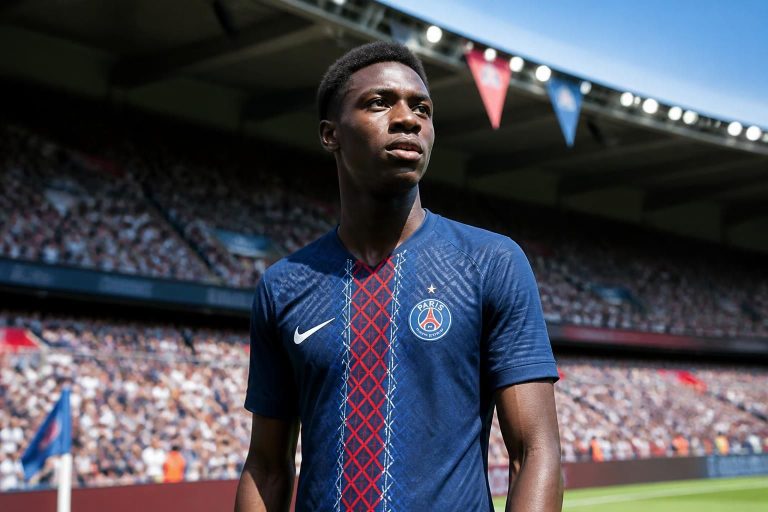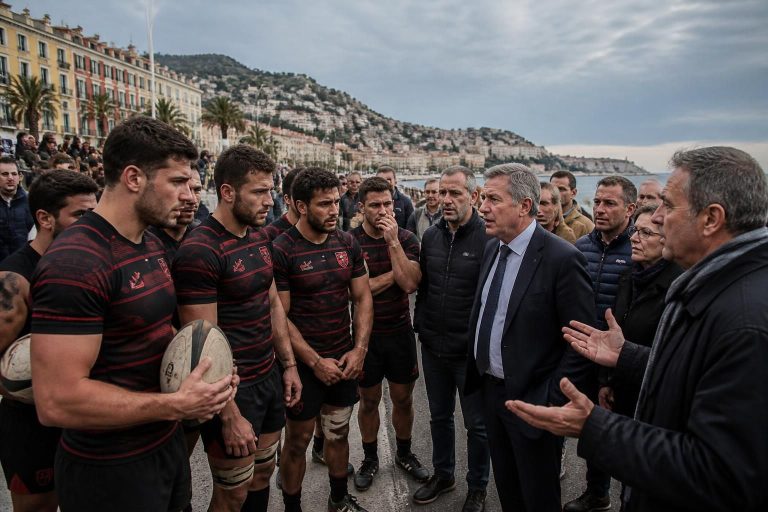
Behind-the-scenes details recently uncovered reveal the intense and unconventional preparation journey of Antoine Dupont as he transitioned from traditional rugby to the Olympic arena of rugby sevens. Guided by none other than Claude Onesta, a legend in French sports coaching now turned director of performance for the 2024 Paris Olympics, Dupont’s commitment to embracing this challenge sheds light on his pursuit of athletic evolution beyond the familiar turf. This narrative not only dives into the rigorous training regimen but also highlights crucial psychological and team dynamics aspects that were pivotal to his seamless integration into the national sevens squad.
Claude Onesta’s Strategic Vision: Preparing Antoine Dupont for Olympic Glory in Rugby Sevens
In 2017, Claude Onesta took on an ambitious role to elevate France’s presence in upcoming Olympic competitions, including the transformative task of molding athletes like Antoine Dupont for events on home soil at Paris 2024. As the former head coach of the French handball team, Onesta’s expertise transcends traditional boundaries, understanding the physical and mental pivots athletes must undergo to adapt to new sports disciplines. Antoine Dupont’s decision to transition into rugby sevens—a variant demanding relentless pace, enhanced defensive skills, and concentrated bursts of energy over 14-minute matches—required a tailor-made training blueprint. Collaborative efforts with the Stade Toulousain club and the French Rugby Federation (FFR) ensured Dupont received comprehensive support under the watchful eyes of Fabien Galthié and sevens coach Jérôme Daret.
From Stadium Star to Olympic Athlete: The Adaptation Challenges Faced by Antoine Dupont
Integrating into the sevens format was no mere formality; it tested Dupont’s endurance and tactical versatility. Initial hurdles included syncing with less media-exposed teammates and mastering the intensified pace and defensive structure that rugby sevens demands. Claude Onesta points to Dupont’s empathy and humility as pillars of his swift adaptation, emphasizing how such qualities, often overlooked, can accelerate teamwork and player cohesion especially during high-pressure Olympics training cycles. This approach underscores how mental acuity and interpersonal dynamics can be just as critical as physical prowess in elite sports settings.
Precision and Empathy: Key Elements Behind Antoine Dupont’s Olympic Triumph
The behind-the-scenes narrative is rich with examples of how Dupont’s respectful demeanor and attentiveness to team spirit not only smoothed his transition but were essential to the collective success of the French rugby sevens team. Their historic performance, highlighted by securing France’s first gold medal at the Paris Olympics, is a testament to a meticulously designed preparation regime, coaching synergy, and an athlete’s genuine passion for growth beyond conventional gameplay. This story challenges the typical portrayal of sports stars and illuminates a layered path of strategic coaching and personal dedication that paves the way for Olympic triumphs.
For deeper insights into rugby strategies or the interplay of sports performance, check out Toulouse rugby derby updates and the latest on rugby playoffs in Occitanie. Both provide a broader context for understanding the evolving rugby landscape that shapes players like Dupont.
Essential Insights into Elite Athlete Preparation for Rugby’s Olympic Frontlines
Claude Onesta’s methodological insights in “Performer la méthode” cast light on the nuanced layers of coaching and athlete management required for Olympic-level performance. Beyond physical readiness, it is the intertwining of trust, empathy, and targeted training that define the success stories in today’s competitive sports. Antoine Dupont embodies this holistic approach, serving as a blueprint for athletes aspiring to cross boundaries and excel in multiple facets of their sport, particularly under the spotlight of the Olympics on home ground.