
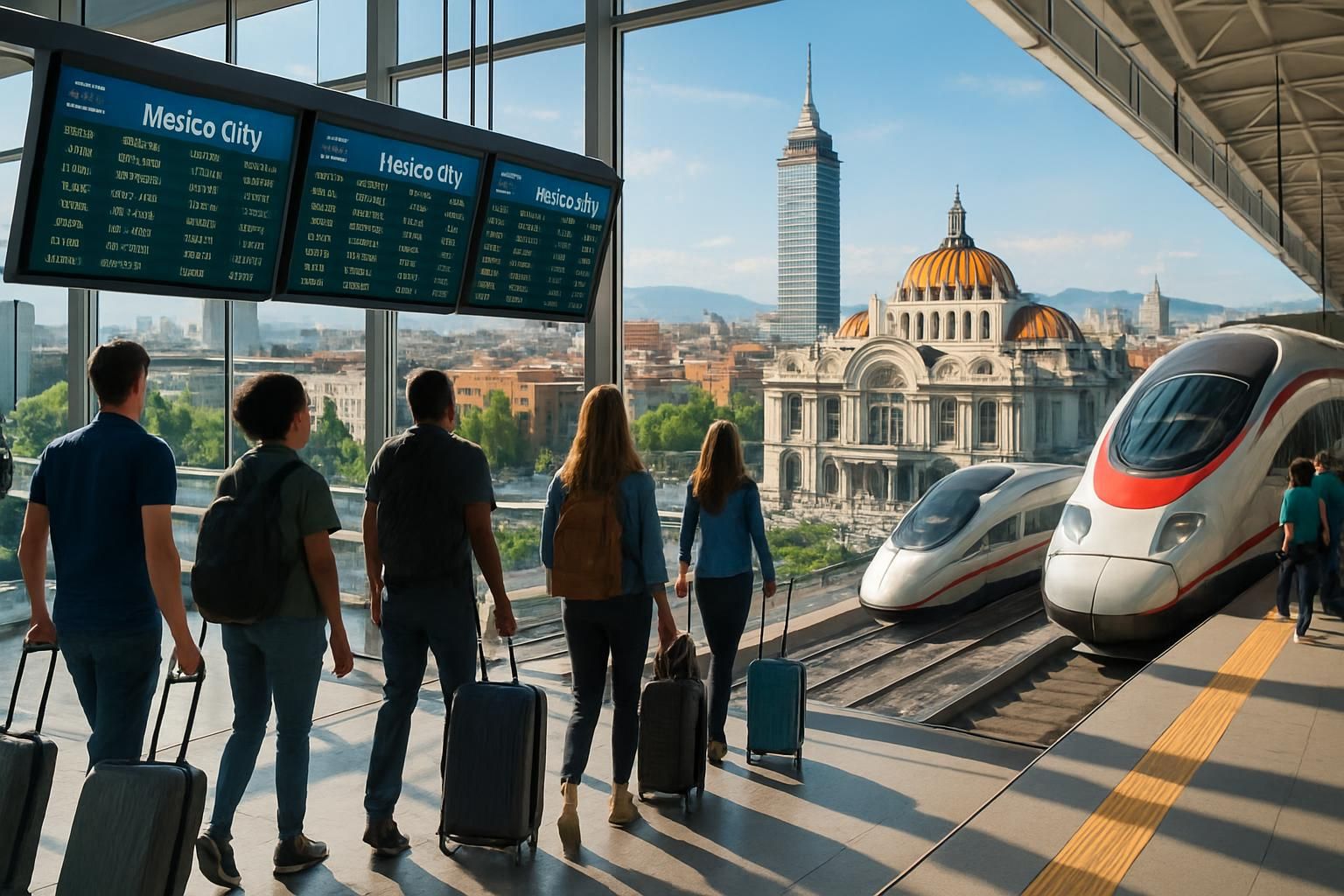
Planning a trip to Mexico City for the 2026 FIFA World Cup requires more than just booking a ticket and showing up at the stadium. This sprawling metropolis, one of the largest and most vibrant on the planet, poses unique challenges when it comes to efficient transportation and moving around during one of the biggest football celebrations on Earth. Fans need to devise smart strategies to navigate the city’s pulse, avoid its infamous traffic jams, and make the most of their stay without wasting precious match time or breaking the bank. From flights into the bustling airport to local public transit and shuttle services, understanding these elements is key to an optimized World Cup experience.
The 2026 tournament is historic for being hosted not just in Mexico, but also the United States and Canada, making travel coordination a beast of its own. However, Mexico City stands apart thanks to the iconic Estadio Azteca, which will host several marquee matches including the opening fixture. With skyrocketing demand, accommodation prices and transport costs are expected to surge dramatically, so fans might want to explore alternatives like staying in nearby hubs or taking advantage of ground transport options that are cheaper and often more reliable than internal flights. Travel tips like choosing mid-week flights to dodge the weekend price spike or using local shuttle services can shave hundreds off the trip without spoiling the experience.
Choosing the Best Arrival Options to Mexico City for the FIFA World Cup 2026
Mexico City’s airport, Aeropuerto Internacional Benito Juárez (AICM), is the main gateway for most arriving fans and is well-equipped to handle the influx from across the globe during the FIFA World Cup. Given the sheer number of anticipated visitors, securing flights early is a must — prices closer to the tournament will reflect the classic supply-demand crunch. But once on the ground, efficiently moving from the airport to your accommodation or the stadium area is where many travelers stumble.
Regular taxis exist, but the surge pricing near match days can turn a $20 ride into an $80-100 ordeal. Instead, consider the Metro bus lines that link the airport with the city center and other key districts at a fraction of the cost — although packed during rush hours, they remain a reliable public transit choice to dodge the infamous traffic jams. Fans who prefer more comfort and speed often opt for private shuttle services arranged by hotels or third parties, balancing cost and convenience. For those with a taste for adventure, a road trip by rental car or joining group rideshares can add a slice of freedom to the commute, though parking close to venues like Estadio Azteca is notoriously limited.
Mastering Mexico City’s Internal Transportation during the Tournament
Once inside the city, efficient transportation is vital. Mexico City’s traffic is legendary, especially during peak hours coinciding with match schedules. The good news? The city has a well-developed Metro system and an expanding network of Metrobus lines, both offering a practical solution to avoid hours stuck in traffic. For example, the Metro Line 8 offers direct access close to Estadio Azteca, making it the ultimate route for fans determined to get to kickoff without compromising nerves.
Keeping abreast of local transport updates is smarter than ever with apps providing real-time traffic and transit alerts. Combining Metro or Metrobus with short Uber or Didi rides often strikes the perfect balance between cost and speed. Just a heads-up: surge pricing for rideshares skyrockets within a small radius of stadiums during match windows, so fans should consider walking a few blocks away before requesting a ride to avoid the gouge.
Avoiding the Inflate: Flight and Accommodation Game in Mexico City
Planes to Mexico City around the FIFA World Cup dates aren’t just crowded; they transform into wallet-drainers overnight. Coordinating flight times for mid-week travel as opposed to the obvious weekend match days often means snagging seats for 30-50% less than those desperate few flying on game days. The same holds true for hotel bookings: early birds locking in their accommodation six to nine months ahead of the tournament will save considerably compared to last-minute bookers. Alternatively, adventurous fans might take a gamble on last-minute deals that pop up when hotels try to fill unsold rooms.
Conscious travelers might even choose to stay a little outside the buzz of the city center, in areas where accommodation is more affordable and public transit lines efficiently connect to major World Cup venues. Neighborhoods like Querétaro or Toluca provide such options, giving fans a blend of cost savings and adventure — and a chance to experience Mexico beyond the tourist-heavy central districts.
Exploring Mexico City Beyond the Matches: Culture Meets Convenience
While catching the games is the main event, Mexico City itself deserves exploration. The Historic Center beckons with iconic landmarks like the Zócalo and Palacio de Bellas Artes—perfect for fans passionate about culture between matches. The nearby neighborhoods of Roma and Condesa add a hip urban vibe, buzzing with art galleries and lively nightlife where post-game analysis often turns into festive celebrations.
Fans have the chance to experience a “trajinera” ride in Xochimilco or climb the famed Pyramids of Teotihuacán just outside the city. However, navigating these attractions efficiently requires good timing and smart use of public and shuttle options to avoid wasting precious game-watching hours. Fortunately, thanks to coordinated shuttle services and reliable public transit routes, fitting sightseeing into a packed World Cup schedule is not just possible—it’s almost a must.
Pro tip: Plan your daily itinerary to hit fan zones or match screenings scattered across the city—perfect spots for those without stadium tickets to soak up the electrifying atmosphere without emptying their wallets. For detailed insights on travel and match preparations in other host cities of the tournament, check out reliable guides like the Guadalajara World Cup 2026 chapter and the Monterrey World Cup 2026 preview.