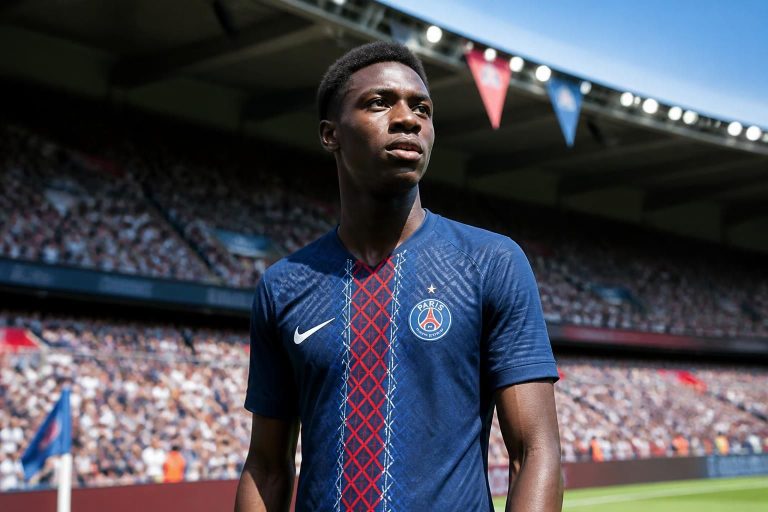
French tennis faces a critical setback as Arthur Fils, France’s highest-ranked player and a rising star in the Grand Slam circuit, announces his withdrawal from Roland-Garros due to injury. At just 21, Fils embodies the future hopes of French tennis, having recently secured an ATP 500 title in Barcelona and impressive semifinal appearances at major tournaments such as the Miami and Madrid Masters 1000 events. Yet, persistent hip pain forced him to pull out just hours before the start of the Parisian Grand Slam, leaving fans and analysts alike to question the impact on the tournament’s competitive landscape and the potential long-term effects on his promising career.
In brief:
- 🌟 Arthur Fils, ranked 19th worldwide, withdraws from Roland-Garros hours before his first-round match.
- ⚠️ The decision stems from a hip injury that previously forced his early exit from the Rome Masters 1000.
- 🎾 Fils aims to prioritize recovery to compete on grass, avoiding the recurring injury issues that sidelined him for much of 2025.
- 🇫🇷 France loses its top professional player for the French Open, impacting home favorite expectations.
- ⏳ His absence shifts focus to how the French tennis federation will support its emerging talent amid such challenges.
Arthur Fils’ Withdrawal: A Heavy Blow to Roland-Garros and French Tennis
The news of Arthur Fils’ absence from Roland-Garros casts a shadow on the tournament and the aspirations of French tennis. Positioned as the top-ranked French player at 19th in the ATP rankings, Fils had the potential to be a significant contender, especially given his recent form. His withdrawal, announced just one day before the French Open began, came after an aggravation of hip pain that forced him to retire from the Rome Masters 1000. This setback follows a troubling pattern: in 2025, Fils was sidelined for eight months following a stress fracture in his back, missing multiple majors including Wimbledon and the US Open.
Such physical vulnerabilities highlight a difficult predicament for young athletes pushed hard on the professional circuit. Rather than risking long-term damage, Fils’ decision reflects a mature approach to his career, emphasizing patient recovery and targeted comeback plans. His expressed focus remains on returning strong for the grass-court season, a strategic pivot that aligns with prudent injury management while leaving the Roland-Garros crowd disappointed.
The Impact on the French Open’s Competitive Landscape
Fils was slated to face former French Open champion Stan Wawrinka in the opening round—a match that promised to be a clash between youthful vigor and seasoned experience. His withdrawal removes one of the few genuine domestic contenders capable of rallying French fans behind a hopeful Grand Slam run. The loss inevitably reshapes the draw, benefiting other rising talents and shifting media attention.
The broader context of withdrawals and injuries is an unfortunate recurring theme in recent tennis seasons. Notably, Roland-Garros has seen several high-profile absences, which affect both competitive intensity and tournament narratives. Fans hoping to witness the emergence of new French talents, similar to the trajectory documented for players like other rising tennis talents, will feel the void left by Fils at the French Open.
Cautious Comeback Strategy and the Road Ahead
The narrative surrounding Fils’ health and career trajectory underscores an essential evolution in professional tennis: prioritizing longevity over short-term gains. Fils candidly critiques his 2025 decision to compete despite injury, reflecting a growing awareness among athletes about the risks of pushing through pain. His declaration not to repeat past mistakes and to focus on long-term fitness demonstrates a methodical approach rarely seen at such a young age.
Experts note that this strategy might serve Fils well as he navigates the demanding ATP calendar through 2026. With an eye on the grass court season, there is cautious optimism that once fully rehabilitated, he can return to compete at top form without the setbacks that marred his previous season. The French tennis community, including the federation’s investment in clay court preparations, will watch closely as Fils’ rehabilitation progresses.
Ultimately, while Arthur Fils’ withdrawal from Roland-Garros is disappointing, it also offers a narrative on resilience and the professional player’s management of physical health. French tennis fans and analysts alike will look forward to his eventual return, hoping it signals the beginning of a sustained period of success rather than another chapter of injury woes.
For additional insights into the challenges facing French players and how the national tennis structure supports emerging professionals, this article on the French Federation’s approach to clay courts provides valuable context.