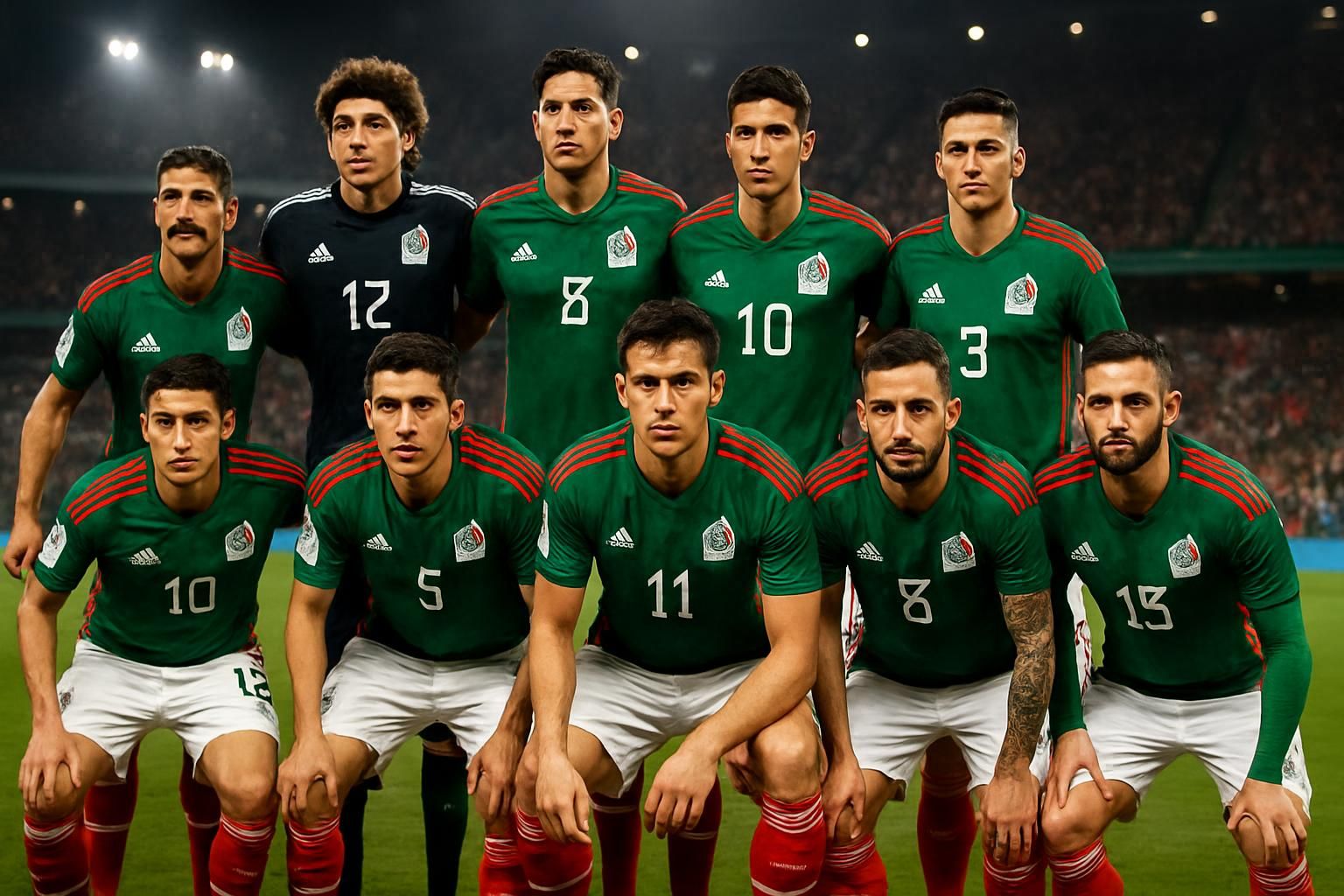
The excitement around the 2026 FIFA World Cup is reaching new heights, especially with Mexico’s squad unveiling that has sparked lively debates and sharp analysis. With the tournament set to kick off on June 11 at the iconic Estadio Azteca, where Mexico will face South Africa, anticipation is sky-high for the home crowd and soccer fans worldwide. The team lineup reveals a blend of seasoned veterans and rising stars, led by the legendary goalkeeper Guillermo Ochoa, who is making history with his sixth World Cup appearance — a Mexican football record that’s hard to ignore. Manager Javier Aguirre’s roster finalization process has been more than just a formality, as several key positions remain hotly contested, shining a spotlight on players battling for those last coveted spots. This mix promises an intriguing soccer tournament, with Mexico ready to deliver unforgettable moments through their electrifying style rooted in fierce competition and solid tactics.
2026 World Cup fans should note Mexico’s group includes South Africa, South Korea, and Czechia, with matches scheduled in Mexico City and Guadalajara, emphasizing the home advantage. But beyond just exciting fixtures, the team’s composition is a key story in itself — from established stalwarts like Raúl Jiménez and Edson Álvarez to promising talents challenging for their place. The strategic depth in this player roster is as thrilling as the buzz around the tournament’s innovations and expanding fanbase. Mexico’s preparation encapsulates the broader spirit of the World Cup: a fusion of rich football heritage, tactical evolution, and raw passion that will unfold under a global spotlight this summer.
Despite the clarity on most of the squad, a couple of spots remain uncertain, bringing names like Luis Chávez, Richard Ledezma, and Julián Araujo into the fray. This fierce competition serves as a reminder that every slot in the team matters profoundly, reflecting the critical sports analysis shaping expectations for Mexico’s World Cup campaign. The stakes are monumental: this is not just about making history at home but about advancing Mexico’s standing on the global football stage. As the tournament edges closer, attention will be focused on how these key players perform in match preparation and whether they can replicate their promising form when it matters most. Stay tuned for more insights and breakdowns as we dive deeper into the Mexico team lineup and all things World Cup 2026.
Mexico Squad Insights: Who’s Leading the Charge for the 2026 World Cup 🏆
There’s no denying that Mexico’s squad for the 2026 World Cup is a fascinating cocktail of experience and youth. The backbone of the team, especially in defense and midfield, has been meticulously chosen by manager Javier Aguirre, who seems to favor a tactical balance over simply stacking star names. Goalkeeping legend Guillermo Ochoa, back between the sticks for a record sixth time, offers not just skill but a reassuring presence that the squad can rally around. Meanwhile, defenders like Israel Reyes and Edson Álvarez bring a blend of European and Liga MX experience, giving Mexico tactical flexibility on the back line.
Opportunities abound for midfielders and forwards, where fierce competition opens doors for exciting additions such as Bryan Gutiérrez and Santiago Giménez, the latter’s stint with AC Milan adding a European edge to Mexico’s attacking options. The ongoing contest for final roster spots between players like Richard Ledezma and Jesús Angulo adds a tantalizing layer of uncertainty. These battles aren’t just preseason drama; they could define Mexico’s tactical approach throughout the tournament. Whether Aguirre opts for a defensive lockdown or an aggressive offense could hinge on these last decisions, meaning every player’s role — no matter how small it seems now — could be pivotal.
Key Players to Watch: The Stars Ready to Shine 🌟
Focusing on the players expected to carry the weight of Mexico’s hopes, a few names instantly jump to mind. In goal, Ochoa is more than just a veteran; he’s a symbol of resilience and consistent performance, crucial in high-pressure matches. Up front, Raúl Jiménez continues to be the threat that opponents dread, his Premier League refining his sharpness and ability to lead the forward line effectively. The midfield’s engine room, with Álvaro Fidalgo and Orbelín Pineda, offers a mixture of creativity and steel, vital for controlling games and transitioning between defense and attack.
Yet, while watching these established stars is a must, keep an eye on rising talents like Jesús Gallardo and Mateo Chávez, who have been impressive in their club assignments across various leagues. Their youthful spark could be the ultimate wildcard for the tournament’s demands, especially considering the pressure of playing at home. The coaching staff’s challenge will be to harness this blend without letting nerves or inexperience spoil the party. If this works out, Mexico could well become a dark horse, charming fans with their skill, tactical nous, and undying passion for football.
Match Preparation and The Road Ahead: Mexico’s World Cup Schedule in Focus 📅
On June 11, the pressure and excitement will peak as Mexico kicks off against South Africa at Estadio Azteca, a venue steeped in historic football moments. This opening game sets the tone for the tournament and puts Mexico’s tournament readiness under a bright spotlight. Following that, they face South Korea in Guadalajara on June 18 — a critical test against a tactically disciplined side — before a final group-stage battle with Czechia back in Mexico City on June 24. Each match has distinct challenges that require thoughtful game plans and optimal player performance.
One can’t overlook the advantage of having home soil support throughout the group matches, which might just tip tight contests in Mexico’s favor. However, with the global competition stiffening and teams innovating constantly, Mexico’s preparation extends beyond just warming up in familiar stadiums. It’s about building a cohesive unit capable of quick adaptation and mental fortitude. These preparations reflect the broader pressures of the World Cup host cities and the exhilarating atmosphere that surrounds them, creating an environment charged for spectacular football and deep-rooted national pride.