
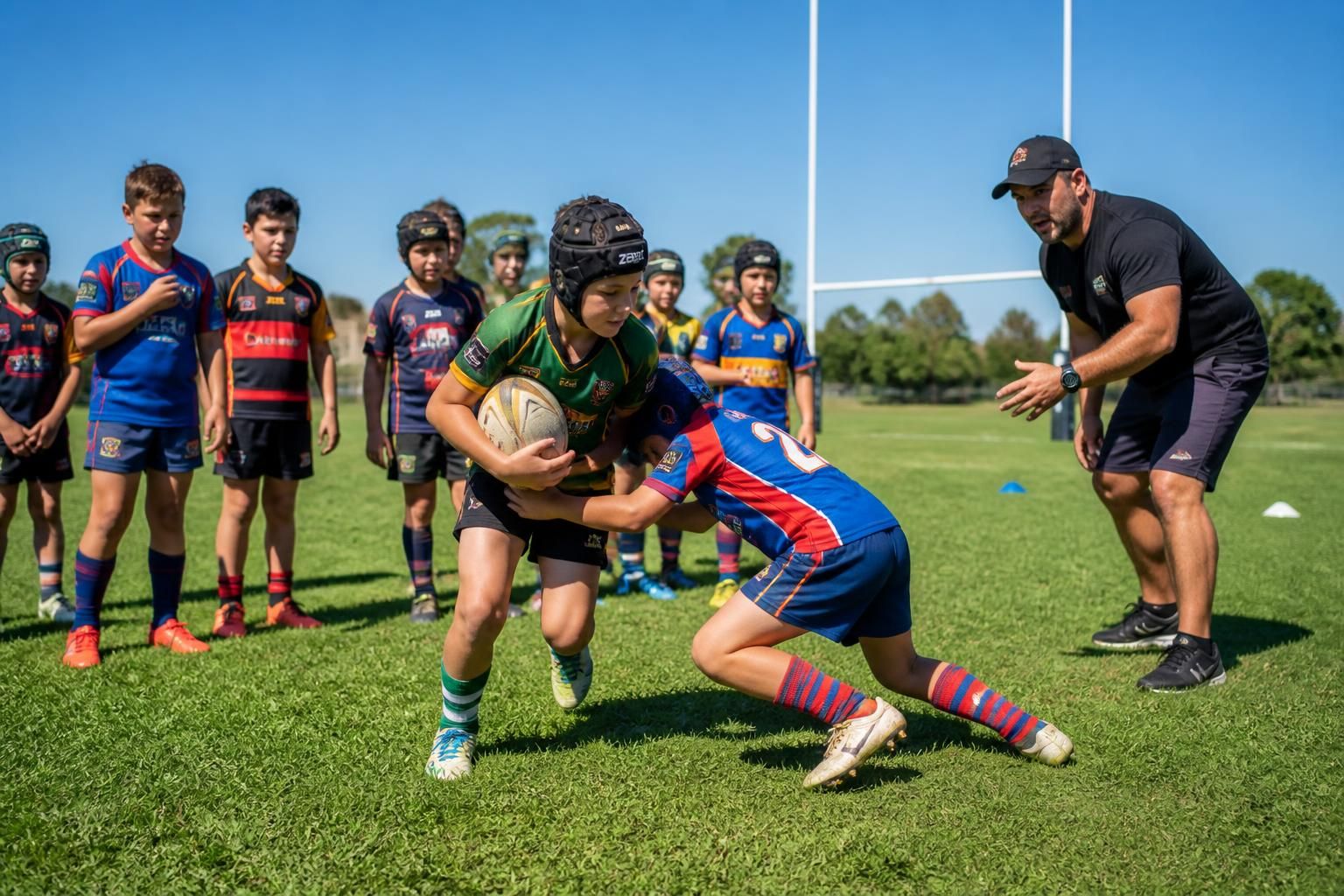
In the heart of Quincey, a fresh wave of enthusiasm for rugby has taken hold among the local youth. As students embark on their very first tackles, the community witnesses not just an introduction to a sport, but the birth of a deeper commitment to teamwork, discipline, and physical resilience. The early stages of rugby training here focus heavily on mastering the fundamental skills that differentiate rugby from other sports—particularly the intricacies of tackling, a technique as challenging as it is essential. This foundational phase is crucial, setting the stage for young players to develop confidence and build competence that will serve them in more competitive environments.
With rugby gaining heightened popularity globally, especially following notable matches and strategic evolutions like those seen in the Toulouse Derby and Champions Cup, the timing of Quincey’s youth rugby introduction couldn’t be better. Early exposure to safe tackling techniques, teamwork drills, and game awareness is aimed at nurturing not only athletes but well-rounded individuals who grasp the sport’s values of respect and solidarity. Each training session is carefully designed to balance intensity and enjoyment, ensuring that these Quincey students not only learn to tackle but also appreciate the spirit behind the sport.
The Importance of First Tackles in Youth Rugby Training
Tackling isn’t just a physical act; it’s central to rugby’s DNA. Teaching Quincey’s students how to tackle safely is paramount to both player welfare and game integrity. At the grassroots level, emphasis is placed on correct positioning, timing, and technique to minimize injury risks while promoting aggressive, yet controlled play. This approach echoes the modern rugby ethos highlighted in recent developments around youth and women’s rugby adaptations, where skill development takes precedence over brute strength.
Witnessing these young athletes take their first hard falls and rise with determination is a testament to the rigorous training they undergo. Coaches instill patience and precision, encouraging students to focus on technique rather than sheer force. This methodical foundation prepares them for more complex plays, such as rucks and mauls, while fostering a keen sense of teamwork that is indispensable on and off the field.
Learning Through Game-Like Drills and Teamwork Exercises
The journey from tentative tackles to confident gameplay involves a variety of engaging drills that mimic real match scenarios. Quincey’s coaching staff utilizes obstacle courses where players practice evasion and tagging, mirroring the dual offensive and defensive aspects of rugby. These drills deepen the students’ understanding of spatial awareness and reaction speed, critical elements that elevate their tactical thinking.
Beyond technical skills, the introduction to rugby here emphasizes camaraderie and collective responsibility. Students learn that each tackle contributes to the team’s overall momentum, reinforcing the importance of mutual support. This reflects broader trends in rugby training where the social and psychological benefits of the sport are increasingly recognized alongside physical prowess.
Building a Strong Foundation: From First Tackles to Rugby Passion
Early rugby exposure offers Quincey students not just physical training but a gateway to embracing sportsmanship and lifelong fitness. The structured progression from non-contact activities to tackling enforces player welfare while fostering a genuine love for the game. As these youngsters tackle challenges head-on, they join a global community passionate about rugby’s unique blend of grit and grace.
Looking ahead, initiatives like increased youth leagues and structured championships aim to sustain this momentum. Quincey’s commitment aligns with national efforts to expand rugby’s reach, injecting fresh talent into the sport’s ecosystem. Observing these students’ debut tackles provides a glimpse into the future stars of the game and highlights the ongoing evolution of rugby training methodologies.