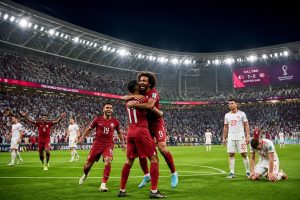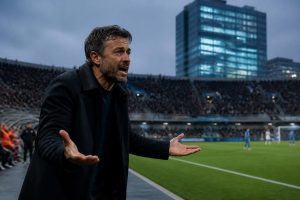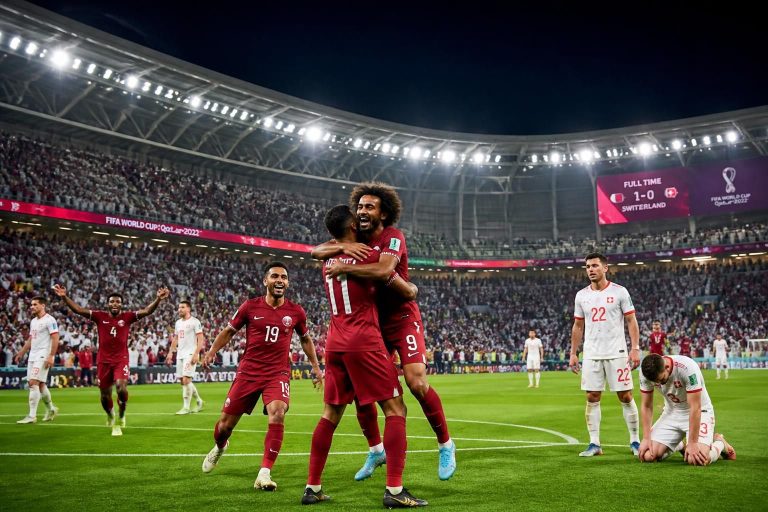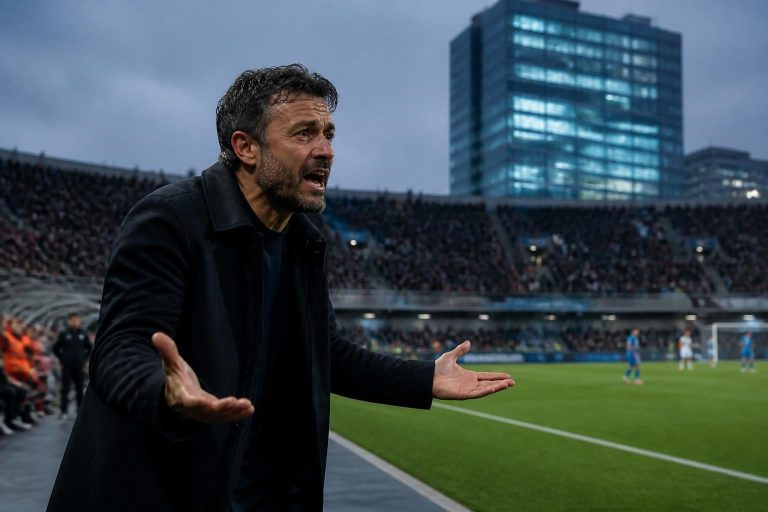
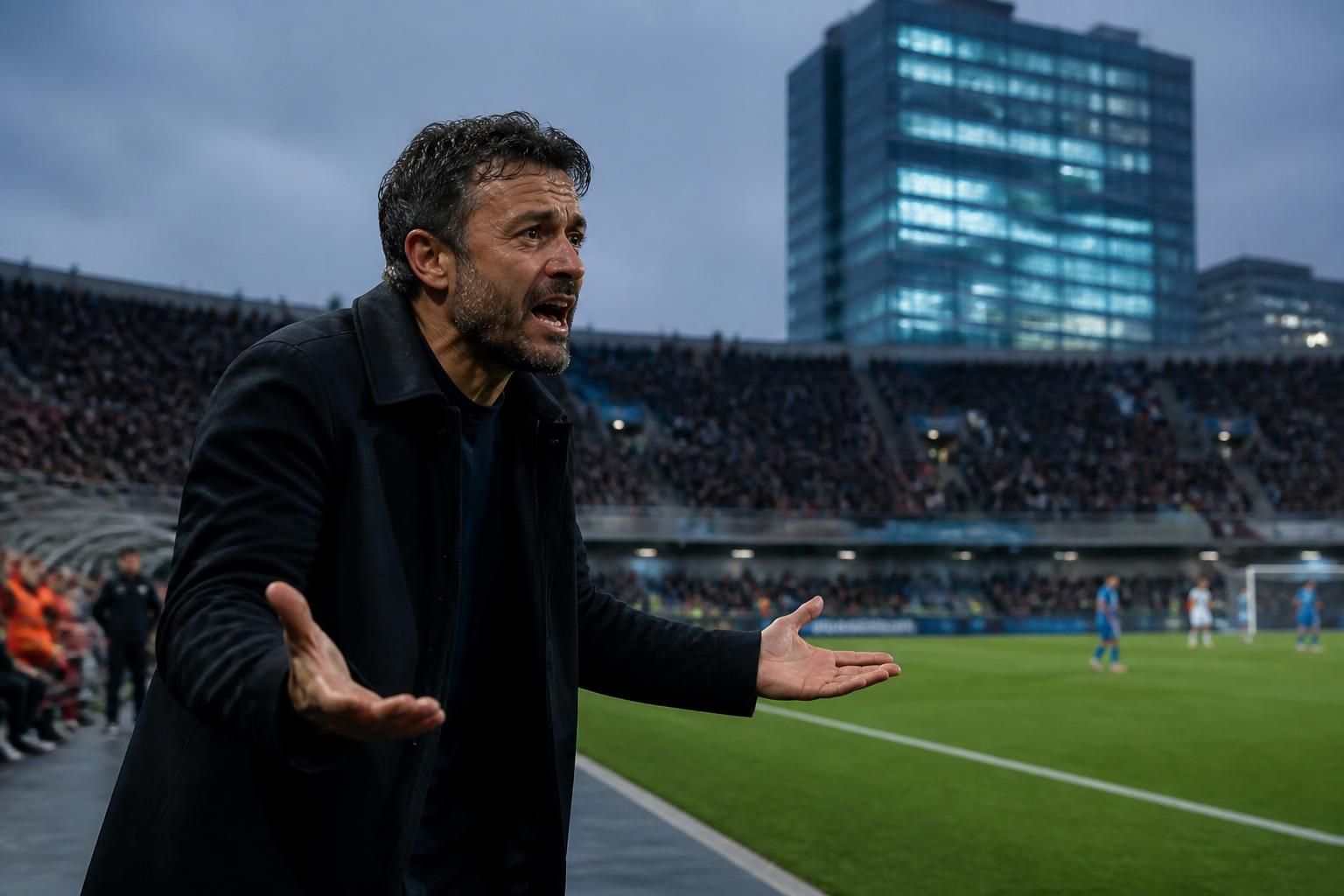
The 2026 FIFA World Cup, jointly hosted by the USA, Mexico, and Canada, was intended to showcase the pinnacle of footballing prowess across North America. Yet, instead of pure sport, the tournament has become a battleground of controversy over FIFA’s latest rule changes. Former Liverpool manager Jürgen Klopp has ignited a firestorm by accusing FIFA of holding football “hostage” through decisions made in “air-conditioned offices.” His sharp criticism targets the mandatory hydration breaks introduced this year, which he describes as nothing less than “advertising dams” obstructing the natural flow of the game. Klopp argues these interruptions serve commercial interests far more than the welfare of players, raising serious questions about the direction of sports governance and football administration in 2026.
In Brief ⚽🔥
- Jürgen Klopp condemns FIFA’s hydration breaks as tools for commercial exploitation rather than player protection.
- He highlights football’s growing hostage situation controlled by executives making detached decisions in “air-conditioned offices.”
- The new rules interrupt game flow, prioritizing advertisements over athletic integrity.
- Criticism intensifies amid ongoing debates about the balance between sport and football politics.
- FIFA claims player safety, but Klopp and others question who truly benefits from the tournament’s evolving format.
Klopp’s Take: Football Held Hostage by Distant Power Brokers
Jürgen Klopp’s recent remarks cut straight to the heart of a mounting controversy that redefines the 2026 World Cup landscape. Describing football as “hostage” to decisions made far from the pitch, Klopp accuses FIFA’s leadership of retreating to comfortable, air-conditioned offices where the heart of the game is ignored. His metaphor of “building dams” to let commercials flow through highlights a dramatic loss of control by players and fans alike. This reflection sharply resonates as fans and stakeholders question whether the sport’s governance prioritizes the spectacle or the bottom line.
This criticism isn’t just football banter; it taps into a broader frustration around the 2026 World Cup’s unique multi-nation hosting arrangement and the pressures on football’s integrity. As the global spotlight turns to North America, Klopp insists the game is veering dangerously toward commercialization, undermining players’ physical conditions and fans’ experiences.
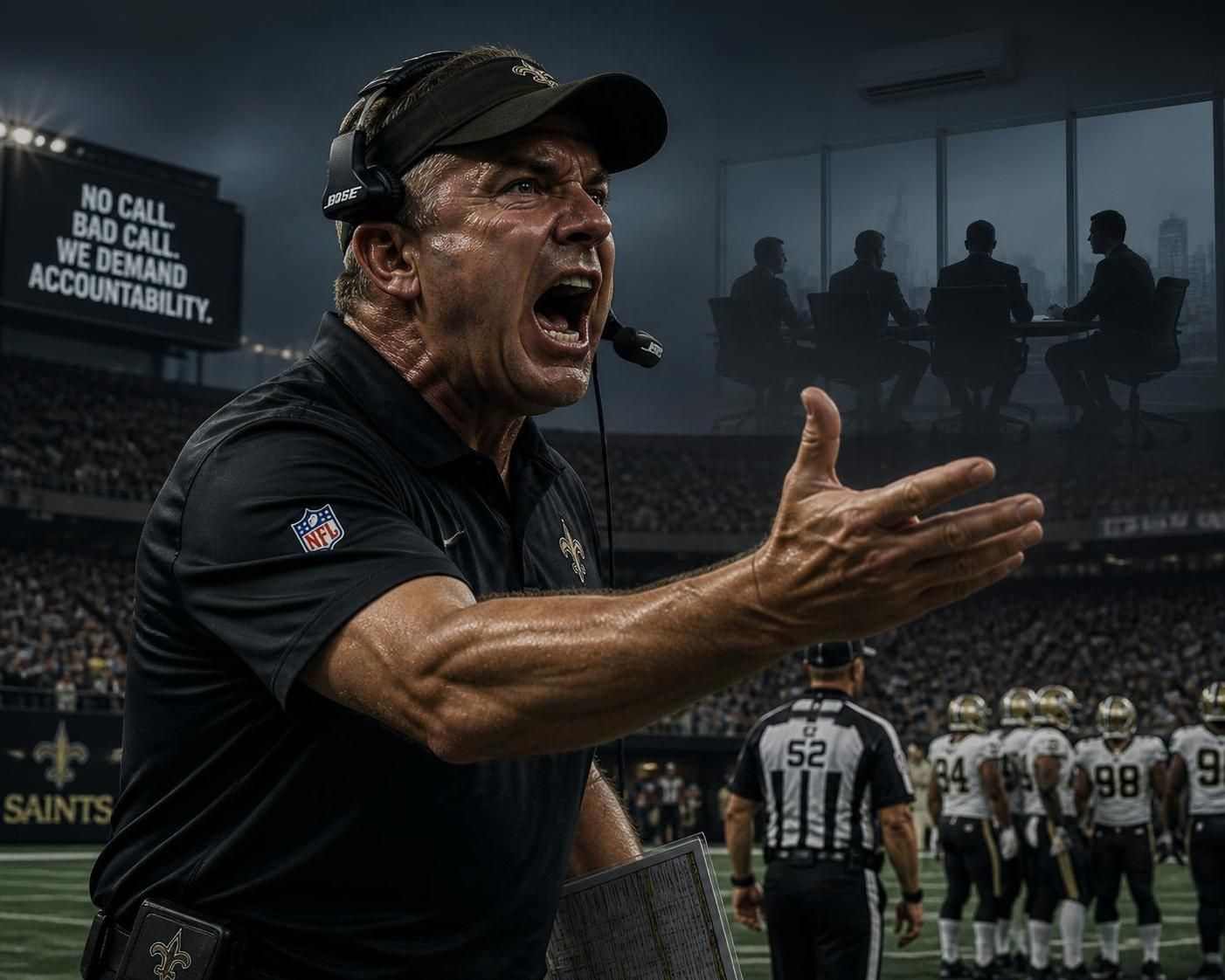
The Hydration Breaks: Genuine Concern or Marketing Strategy?
FIFA introduced hydration breaks to protect players from extreme heat—a practical response considering the tournament’s venues. However, Klopp isn’t buying the official narrative. Instead, he calls these pauses “noble swords” and “golden cages” shielding players only on the surface, while effectively protecting lucrative sponsorship and advertising revenues. These breaks disrupt the match’s rhythm, much to the dismay of fans who feel the magic is drained by these artificial stoppages.
This perception raises serious questions about pressure on football and whether decisions prioritize broadcasters and advertisers over sportsmanship. The debate echoes across football communities, with Klopp’s criticism channeling growing concerns about the commercialization of the 2026 FIFA World Cup.
Football Politics and The Future of Sports Governance
Klopp’s blistering critique invites us to reflect on broader systemic issues within football politics and the nature of modern sports governance. Is football administration responding to the calls of fans and players, or only customers with fat wallets? The tension between preserving football’s soul and chasing ever-expanding commercial gains has never been more visible.
Foremost, Klopp asks, “Who truly profits from the World Cup?” Are the fans witnessing authentic sport, the players given a fair stage, or are invisible strings pulled by executives whose decisions prioritize balance sheets over ball control? This spotlight exposes uncomfortable truths about how distant decision-makers may lose sight of the game’s essence.
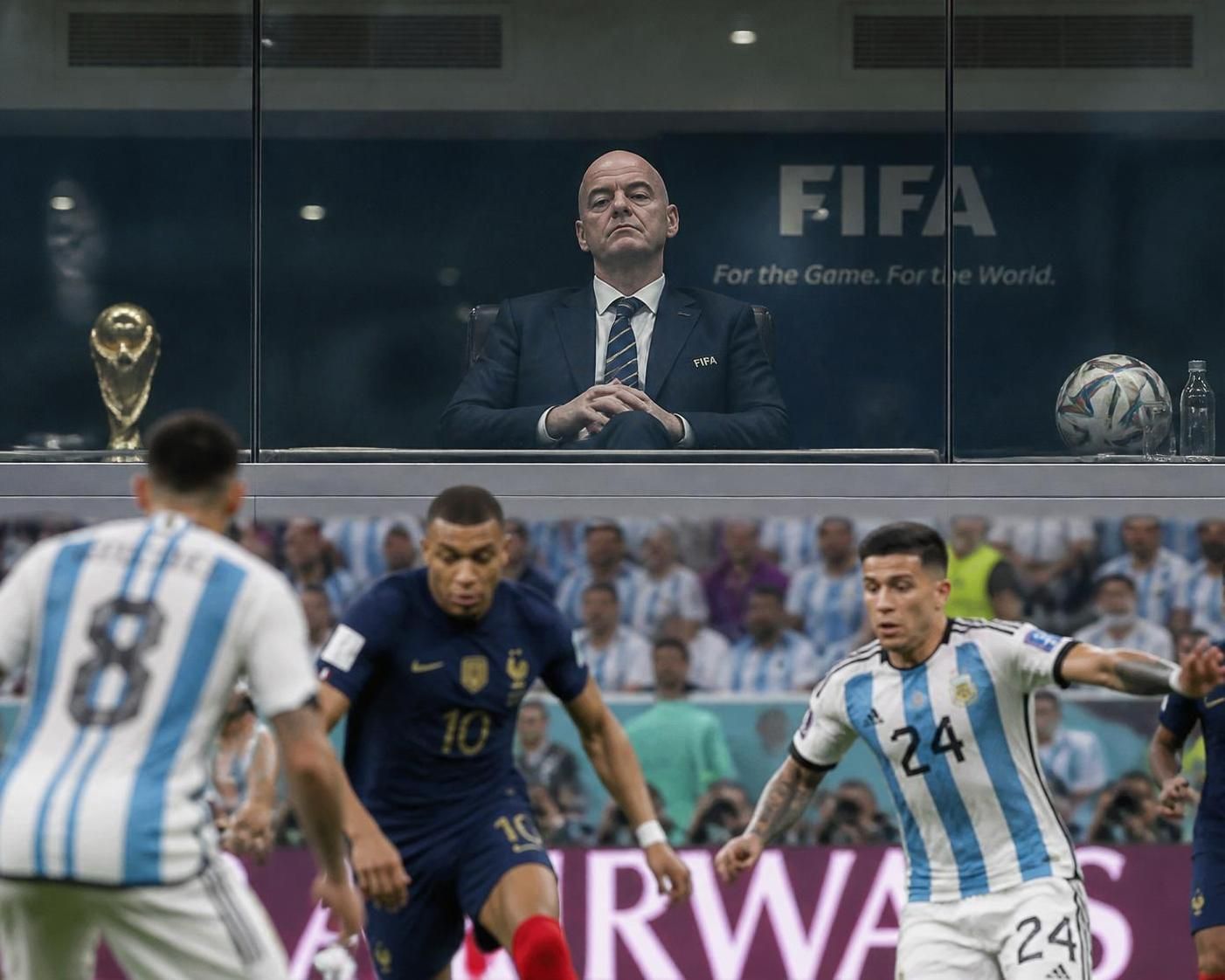
In the face of these disputes, it’s clear that the 2026 World Cup is more than a global sporting event—it’s a battleground for control over football’s future. What happens next will determine if football remains a game for the people or becomes an extension of powerful commercial interests seated comfortably away from the roar of the stadium.