
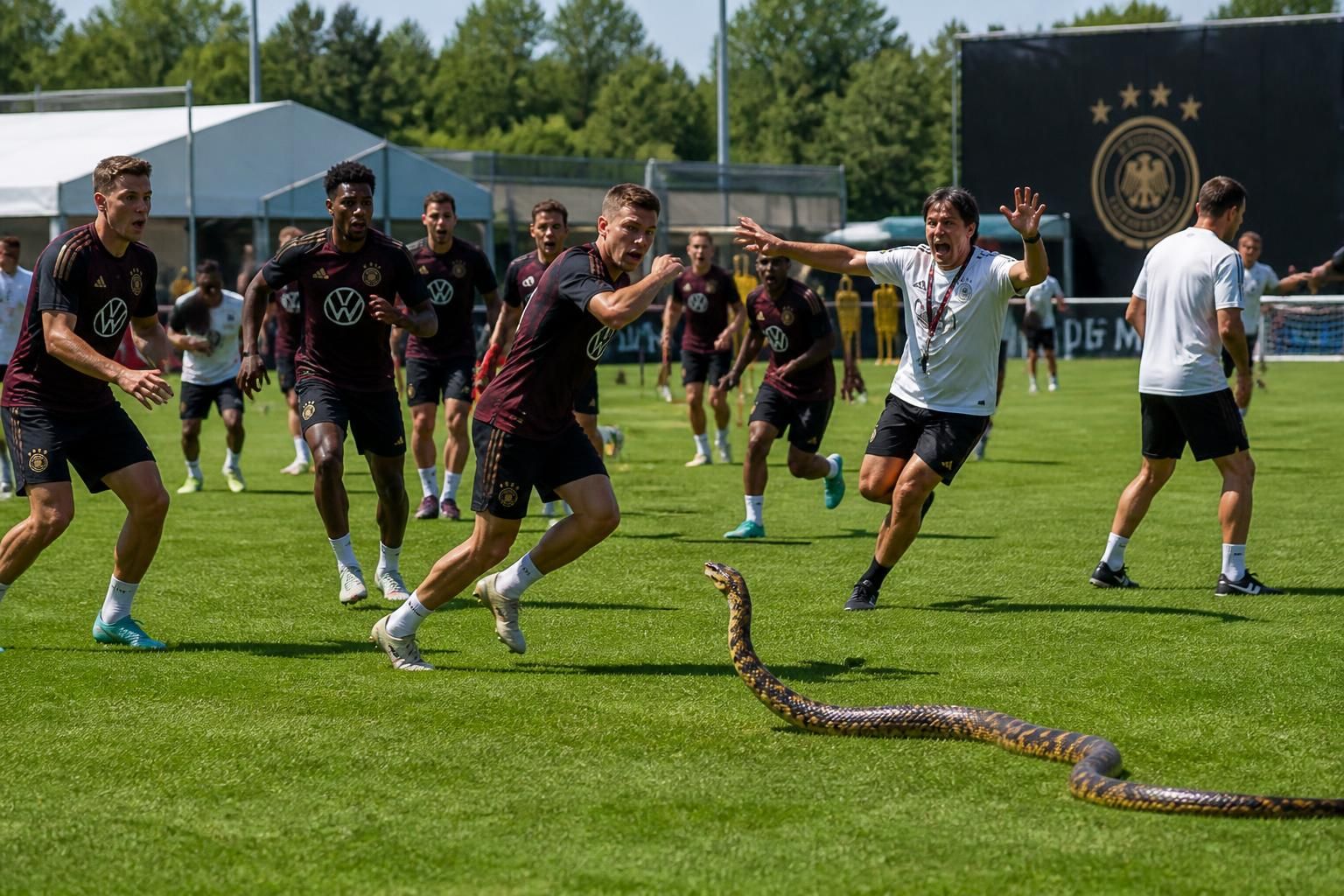
When you think of World Cup challenges, venomous snakes might not be the first thing that comes to mind. Yet, the German national team recently found themselves face-to-face with a venomous copperhead snake right in the middle of their World Cup training camp in Winston-Salem, North Carolina. This unexpected wildlife intrusion has added a surprising layer of danger and chaos to the preparations of one of the tournament’s powerhouses. Captain Joshua Kimmich didn’t mince words during the press conference, revealing the alarming encounter and urging caution to keep all German stars safe while training ahead of their next match against Ivory Coast.
The sighting underscores the unforeseen hurdles teams face in the lead-up to the World Cup, which is set to unfold across the U.S., Canada, and Mexico later this year. It’s already been a tournament marked by odd incidents – from stolen equipment to logistical glitches – but a venomous snake camp invasion? That’s a fresh kind of disruption nobody saw coming. While the copperhead’s bite isn’t typically fatal, the requirement for urgent medical care means the German squad must carefully balance their football focus with vigilance against an unexpected wildlife challenge looming right outside their training ground.
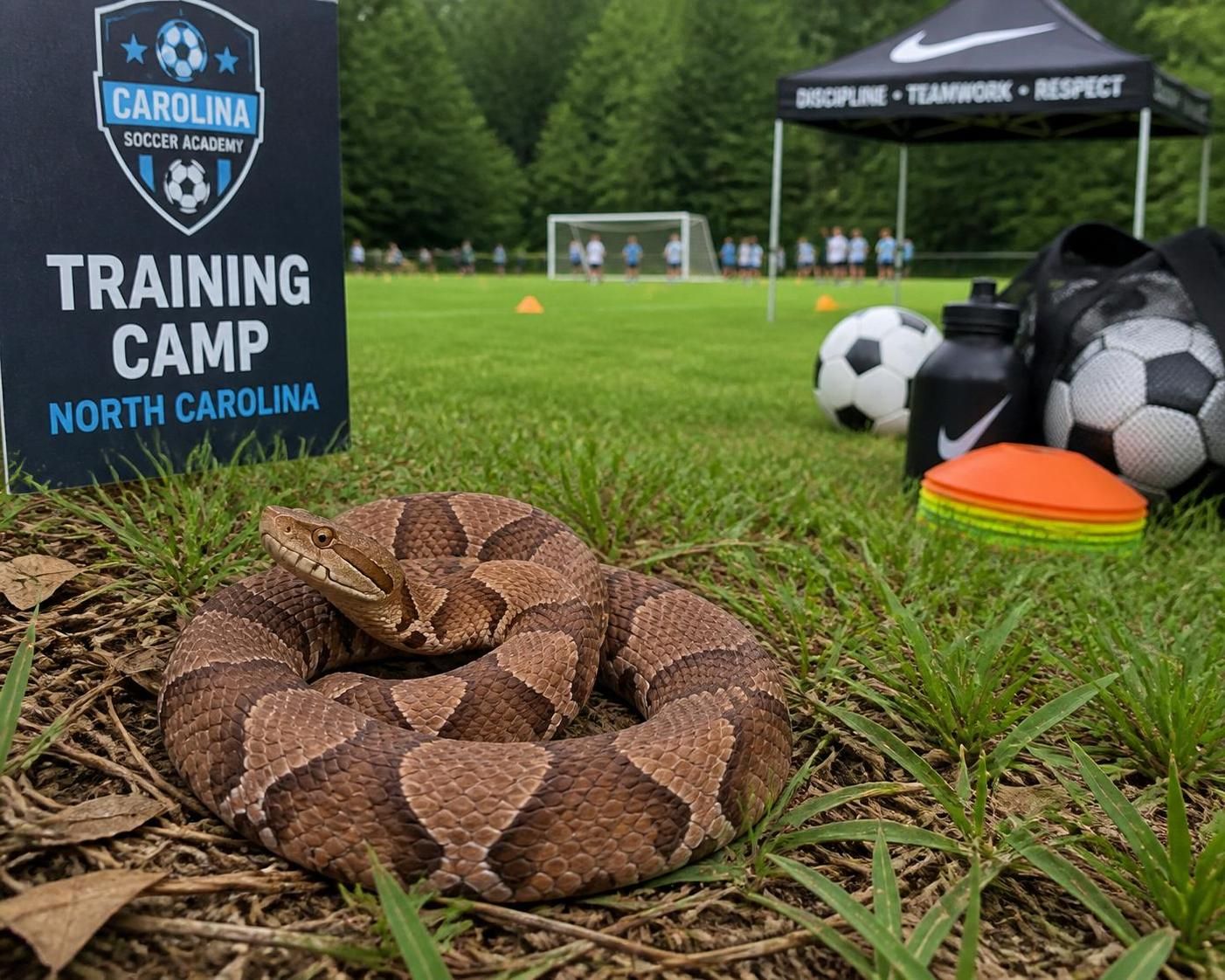
How a Venomous Snake Caused Unexpected Chaos at Germany’s World Cup Training Camp
When German captain Joshua Kimmich shared the story, it was clear this was no ordinary disturbance. At the heart of their camp in Winston-Salem, the team had come across a venomous copperhead—a native snake species known in the region. While not usually deadly, its bite demands immediate hospital care, a sobering reality that sent ripples of chaos through the squad’s usually composed atmosphere.
“If one of us accidentally stepped on one, the consequences could be serious,” Kimmich explained. “We’re now extra cautious and avoid any contact.” This added concern joins other strange incidents at training camps around the tournament sites, such as Swiss and Norwegian teams also reporting encounters with venomous snakes near their U.S. facilities, prompting urgent safety warnings. The landscape of the 2026 World Cup has quickly become a field of unpredictable threats beyond just the opposition on the pitch.
Wildlife Warnings and the Real Risks to Players
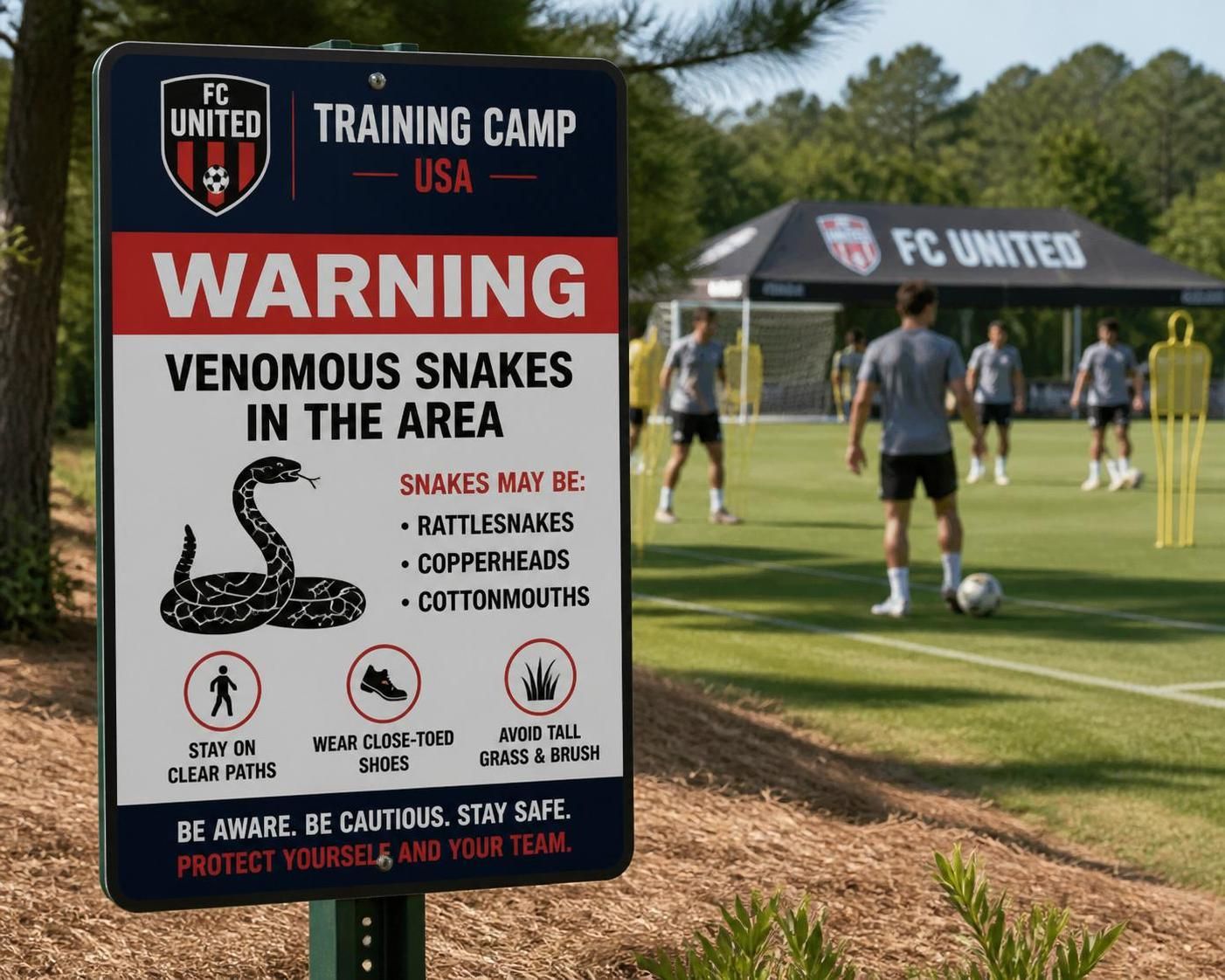
Serious safety considerations are now part of the pre-tournament routine as teams grapple with local wildlife hazards. The Swiss team, for instance, had to label a designated “snake zone” around their camp, making it clear to all players and staff where to tread carefully. The German squad is closely monitoring the situation but has yet to implement formal bans like the Austrian team, which forbade cycling near Santa Barbara to prevent snake bites.
These precautions bring into sharp focus the interplay between high-level sports preparation and unexpected natural risks. It isn’t just about perfecting formations and strategies but also about navigating an environment where a simple sidestep could lead to a medical emergency. The presence of these reptiles adds a quirky, yet very real, complication to prepping for the biggest football stage on Earth.
Germany’s Prep Continues Despite Wildlife Interruptions
Despite the sudden chaos caused by their slippery, fanged visitors, the German team seems undeterred. Their recent 7-1 win over Curaçao showed they’re not letting anything, even venomous wildlife, derail their focus on tournament success. With their next clash against the Ivory Coast looming, staying alert to the danger around the camp is now an essential part of their daily routine.
Kimmich summed it up perfectly: “Here, I have great respect for these animals. It’s not like in Germany, where such dangerous species are scarce. We have to keep our distance and be vigilant so that our World Cup dreams don’t get cut short by something unexpected.” After all, in 2026, it seems football teams must sharpen not only their skills but also their survival instincts.