
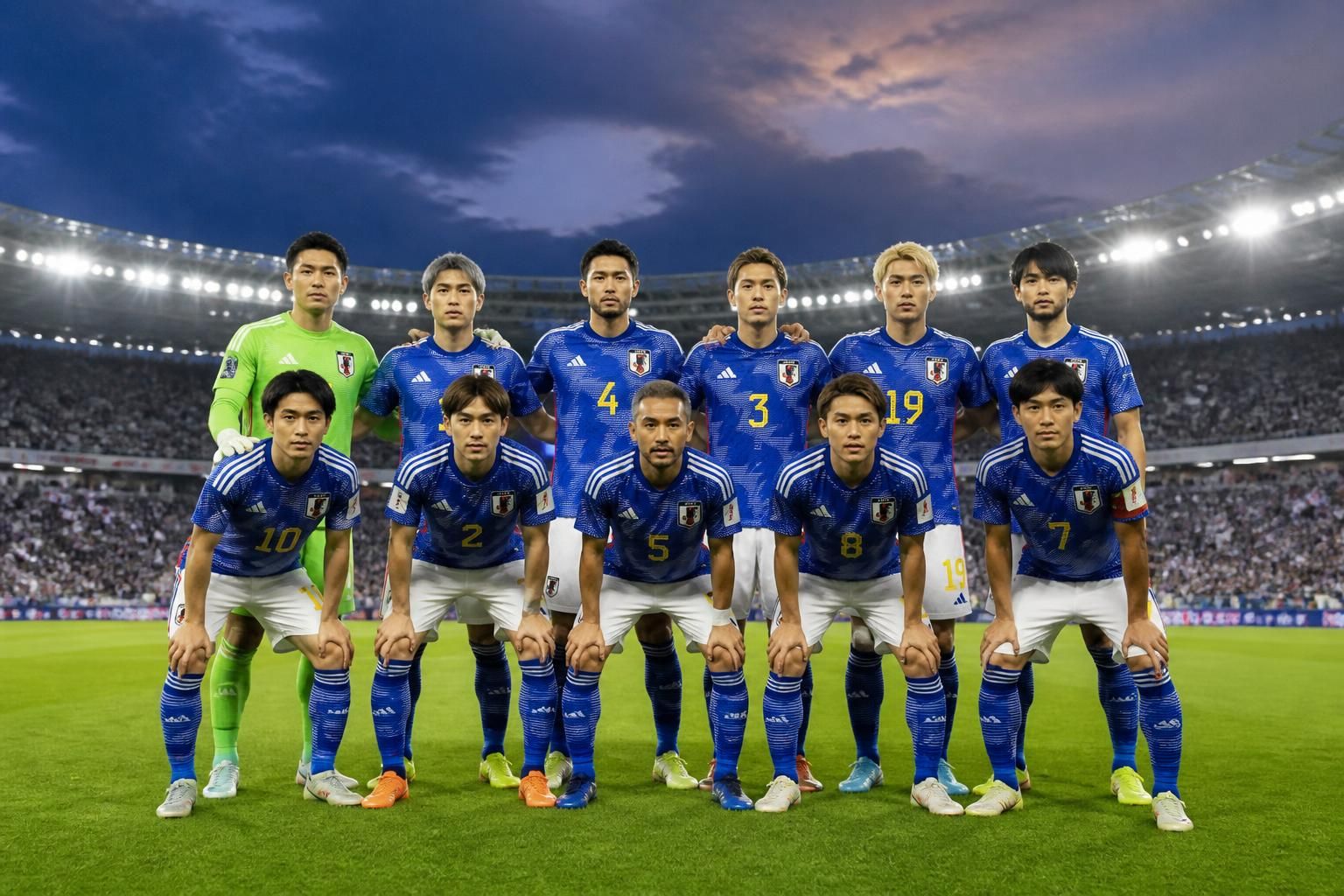
Japan has once again secured their spot for the 2026 FIFA World Cup, marking their eighth consecutive appearance at this global soccer fiesta. Positioned as genuine dark horses in Group F, the Samurai Blue bring a lineup steeped in European experience and tactical finesse. With a squad blending seasoned veterans and dynamic young talents, they carry not just hopes but serious potential to shake up the tournament.
At the heart of Japan’s World Cup roster is the legendary Yuto Nagatomo, a 39-year-old full-back making history as the first Asian player to feature in five different World Cups. Alongside him, captain Wataru Endo anchors the midfield from Liverpool, embodying the team’s balance of grit and precision. Though the team suffers a blow with the loss of Kaoru Mitoma – their most creative attacker sidelined by injury – the squad’s depth isn’t to be underestimated.
Japan’s squad pulls significant muscle from Europe: three Premier League standouts including Endo and Daichi Kamada; six starters in the Bundesliga; and a handful from the Eredivisie. This continental seasoning complements their disciplined, collective approach under coach Hajime Moriyasu, whose tactical shrewdness shone during the 2022 World Cup where Japan famously toppled giants like Germany and Spain.
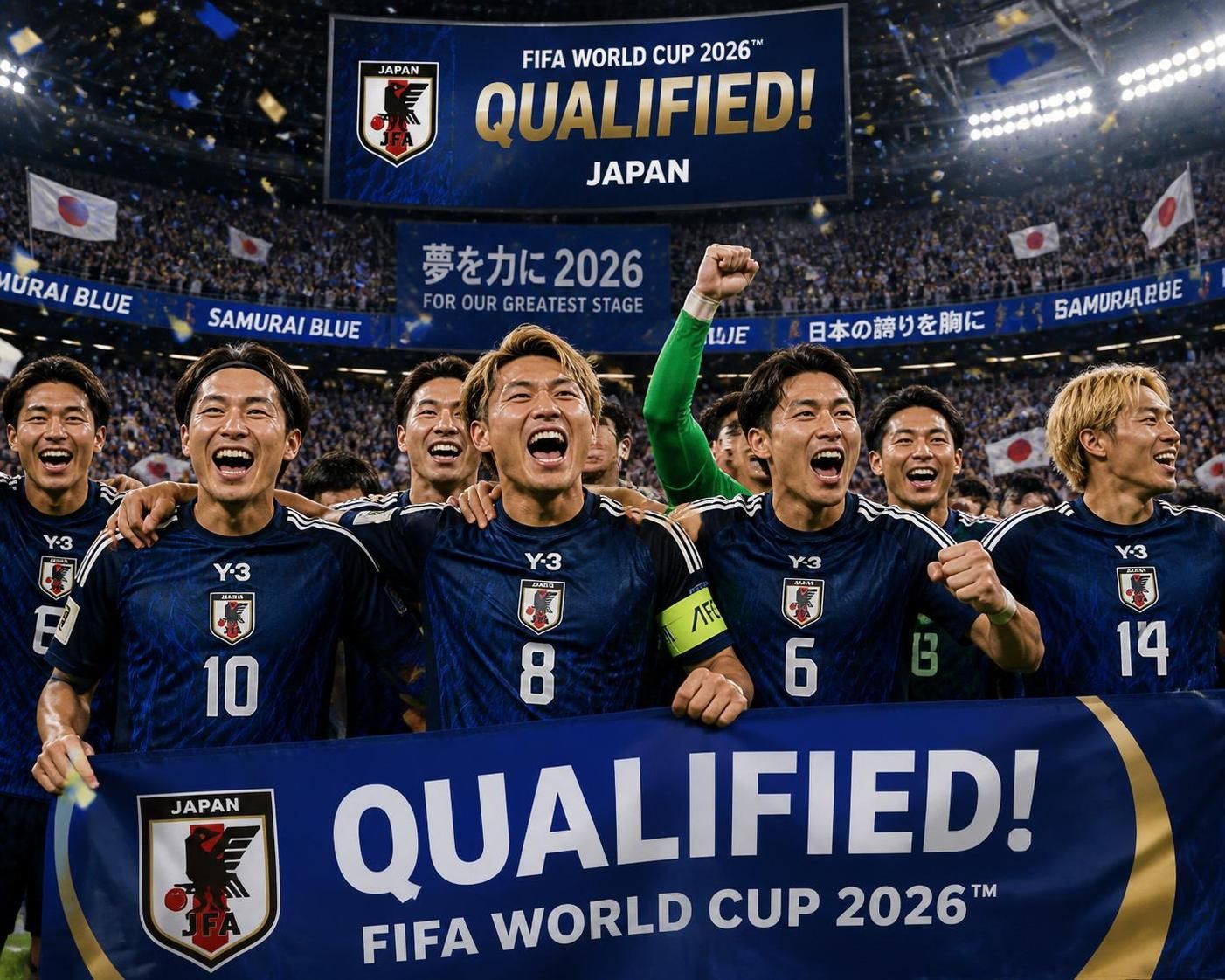
2026 Japan team lineup reveals blend of experience and youthful energy in World Cup roster
The comprehensive list of 26 players announced on May 15 showcases a squad carefully shaped for both resilience and attacking flair. Ritsu Doan and Ayase Ueda are set to carry the offensive threat, juxtaposed with the stalwart defense marshaled by Ko Itakura and Tomiyasu. Midfield maestro Daichi Kamada ensures that creativity and link-up play will not be in short supply.
Japan’s average age hovers around 27, perfectly balancing prime years with seasoned leadership. The team boasts three Premier League talents and a significant presence in top European leagues, emphasizing the global footprint of Japanese football. While Nagatomo approaches record caps, the spotlight also shines on promising names like 21-year-old Keisuke Goto, cementing Japan’s commitment to nurturing future stars.
The sturdy defensive foundation, illustrated by only three goals conceded in 10 qualifying matches, reflects Moriyasu’s philosophy of discipline combined with speed in transitions. This style is primed to upset some predicted outcomes in their Group F lineup, which includes soccer heavyweights the Netherlands and Sweden, along with Tunisia. For more on the group dynamics, dive into the detailed 2026 World Cup groups breakdown.
Key players bringing the heat on soccer’s biggest stage
Watch out for Ritsu Doan, whose electrifying wing play powered Japan’s qualifying surge, including crucial goals against Europe’s elite. Captain Wataru Endo is the lynchpin of Moriyasu’s midfield, balancing defensive duties with smart distribution — his Liverpool tenure polishing him into a midfield general. Up front, Ayase Ueda leads the line with an impressive scoring record in the Eredivisie, leveraging his aerial prowess and movement to puncture defenses.
Young prodigy Takefusa Kubo offers the creative spark Japan desperately needs in attack, stepping up after Mitoma’s absence. With deft touches honed at Real Sociedad and a knack for unlocking defenses, Kubo’s impact might just steer Japan’s fortunes this time around. Pair him with defensive stalwarts like Ko Itakura and the seasoned Tomiyasu, and you have a package that is both balanced and dangerous.
Japan’s tactical approach and challenge in Group F
Coach Hajime Moriyasu continues to deploy his favored tactical system: a flexible 4-2-3-1 that can morph into a compact 5-4-1 when defending. This approach relies on collective discipline and rapid transitions, using disciplined pressing to disrupt possession. The absence of Mitoma shifts creative responsibilities, increasing the onus on Kubo and Kamada to unlock defenses.
Japan’s opening match against the formidable Netherlands on June 14 at the AT&T Stadium in Dallas is the tournament’s litmus test — historically, the Samurai Blue have struggled against Dutch precision, but the stakes have never been higher. Next up, they face Tunisia and Sweden, teams with contrasting styles but both capable of causing trouble. The group is far from a cakewalk, yet Japan’s pedigree of stunning upsets, including recent victories over Germany and Spain, positions them as a team not to be underestimated. For a deeper dive into their opponents, visit this insightful Netherlands 2026 World Cup preview and the Tunisia vs Japan matchup analysis.
Japan’s best finish has consistently been reaching the Round of 16, achieved four times before, and with an expanded World Cup format, a realistic target is advancing past the initial knockout stage for the first time. Fast transitions, steadfast teamwork, and tactical maturity could make the Samurai Blue the most thrilling underdog story of the tournament.