As the 2026 FIFA World Cup draws ever closer, Group G is shaping up as one of the more intriguing battlegrounds, with Iran lining up alongside Belgium, Egypt, and New Zealand. Known for their disciplined and seasoned approach, Iran is heading into this tournament making its fourth consecutive appearance — a testament to their consistency on the Asian stage. Despite geopolitical challenges and a sensational squad omission, the Iranian team remains a tough nut to crack, armed with tactical rigidity and a resilient mindset. But with a changing lineup and evolving tactics, the question is whether Team Melli can finally break their infamous World Cup group stage curse and carve their path beyond what they’ve achieved in past tournaments.
Quick hits on Iran’s 2026 World Cup setup: 🌍⚽️
- 🌟 Iran’s fourth consecutive World Cup appearance signals tactical maturity and steady development.
- 🔑 The absence of star forward Sardar Azmoun shakes up their attack and places greater responsibility on Mehdi Taremi.
- 🛡️ Defensive strength remains the backbone under Coach Amir Ghalenoei, with veteran stalwarts anchoring the backline.
- 🤔 Iran’s pragmatic 4-3-3/4-2-3-1 system prioritizes counterattacks rather than possession dominance.
- ⚔️ Group G also features heavyweights like Belgium and a dynamic Egypt, providing tough tests and must-win games — particularly against New Zealand.
Iran Team Lineup Strategies and Coaching Approaches at the 2026 World Cup
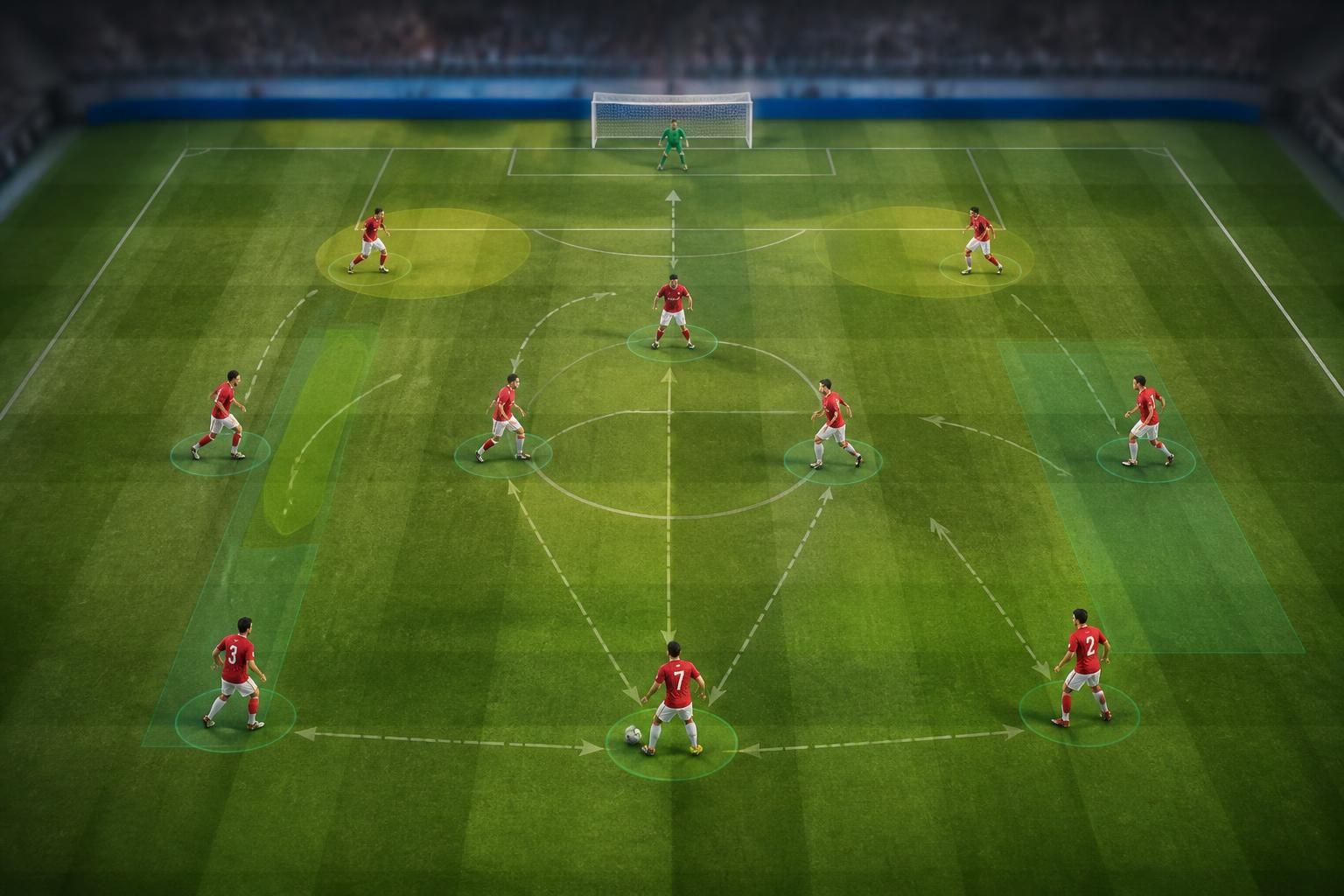
When expecting fireworks, Iran’s brand of football is more about calculated discipline than flair. Under the stewardship of Coach Amir Ghalenoei, who has helmed the team to three straight World Cups, Iran doubles down on tactical rigidity and pragmatism. The game plan is simple but effective: maintain a compact defensive shape, rely on quick, direct transitions, and capitalize on the occasional counterattack. It’s an attritional style, armed with defensive resilience and an unwavering focus on securing results by any means necessary.
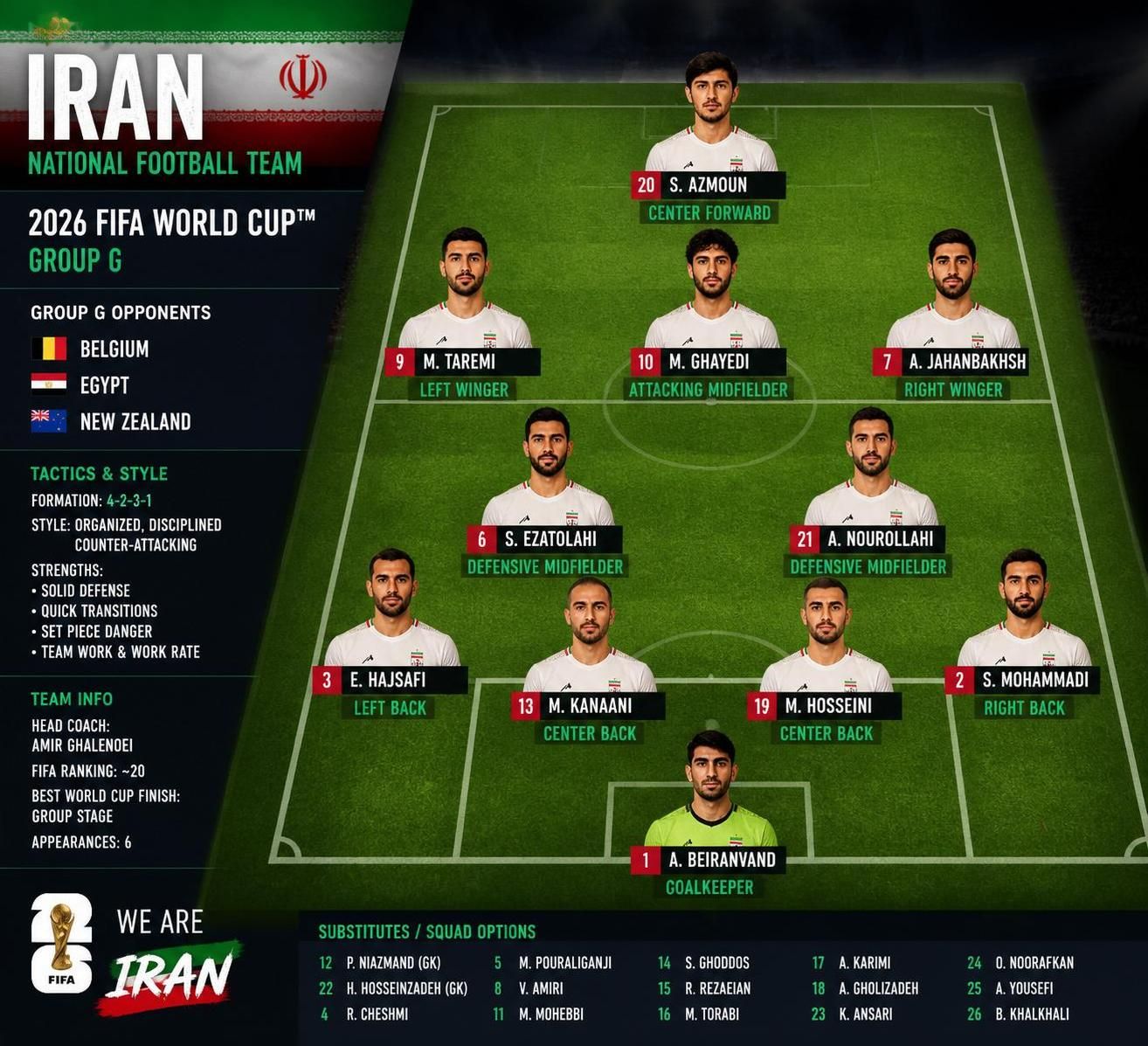
Players are drilled to prioritize structure over speed or creativity, which can make Iran less thrilling for neutral fans but immensely difficult to break down. Their 4-3-3 or oscillating 4-2-3-1 formations emphasize midfield control and positional discipline, anchored by key players like Saeid Ezatolahi in midfield and veteran goalkeeper Alireza Beiranvand. This setup is about suffocating opponents’ play rather than out-muscling or out-passing them; Iran lacks explosive pace but boasts a collective defensive intelligence that is the envy of many in Asia.
Key Player Dynamics and Tactical Adjustments
The absence of Sardar Azmoun is arguably the thorniest issue facing Iran’s squad. Reportedly sidelined due to political reasons rather than injury, Azmoun’s exclusion leaves a glaring void in the attack. Mehdi Taremi, Iran’s captain and all-time leading scorer with 56 international goals, now shoulders the entire attacking burden. This shift pushes creative responsibilities squarely onto Saman Ghoddos, who must act as the crucial link between midfield discipline and explosive forward moves — a role the team wasn’t initially built for.
The wide attackers, Mehdi Ghayedi and Amirhossein Hosseinzadeh, are expected to stretch defenses and create space for Taremi inside the box. This system banks heavily on transition play where speed and precision in passing can unlock the opponents’ backline, but the downside is clear: without a secondary goal threat, chances will be limited.
Defensive Solidity and Iran’s Tactical Blueprint
Iran’s defense stands as an emblem of experience and mindfulness. The average age of the squad arguably tilts on the higher side, signaling a team invested in seasoned reliability. Central defenders Shoja Khalilzadeh and Ali Nemati combine positional awareness and seasoned composure, while full-back duties are shouldered by Arya Yousefi and Milad Mohammadi, supported by versatile backups like Ramin Rezaeian and Ehsan Hajsafi. The goalkeeper, Alireza Beiranvand, brings invaluable World Cup experience, making him the last line of defense in a squad eager to maintain tight control in a demanding group.
This defensive structure is built to weather aggressive attacks from powerhouses like Belgium or Egypt, but it isn’t without its gamble. Falling behind early could force Iran to abandon its comfort zone, asking players to engage in less familiar attacking phases that the squad might struggle to execute smoothly.
Iran’s Path Forward in Group G and Tactical Outlook
With Belgium transitioning under new leadership and Egypt boasting one of the sharpest attacking partnerships in the tournament, Iran’s path to the knockout rounds is as thrilling as it is treacherous. However, Iran’s best shot could be capitalizing on must-win matches against New Zealand, where their disciplined setup should deliver results.
Coach Ghalenoei’s no-nonsense approach will again test Iran’s resilience in a tournament with distractions off the pitch—political tensions and diplomatic hurdles add a complicated backdrop to what is already a fierce contest. The tactical discipline, seasoned players, and a focus on results-oriented football give Iran a compelling chance to finally progress from the group stage for the first time. But the reliance on a pragmatic, counterattacking strategy puts immense pressure on Taremi and Ghoddos to convert limited opportunities into decisive outcomes.
Iran’s Tactical Failures and Areas for Improvement
While Iran’s defensive structure deserves praise, their lack of creativity and dependency on Taremi for goals cannot be ignored. Without Azmoun’s aerial prowess and secondary scoring presence, Iran’s attack risks being predictable and easily nullified by stronger defensive sides. The midfield’s transitional link-up play, led by Ghoddos and Mohebi, requires upgrading in both creativity and depth to unlock compact defenses more frequently.
Moreover, the aging squad’s stamina and adaptability over a condensed World Cup schedule might expose vulnerabilities, especially against younger, faster teams. Iran’s tactical blueprint leaves little room for offensive experimentation or rapid formation shifts, which could backfire if they concede first in high-stakes matches. Their mental toughness will be tested as much as their physical preparedness.