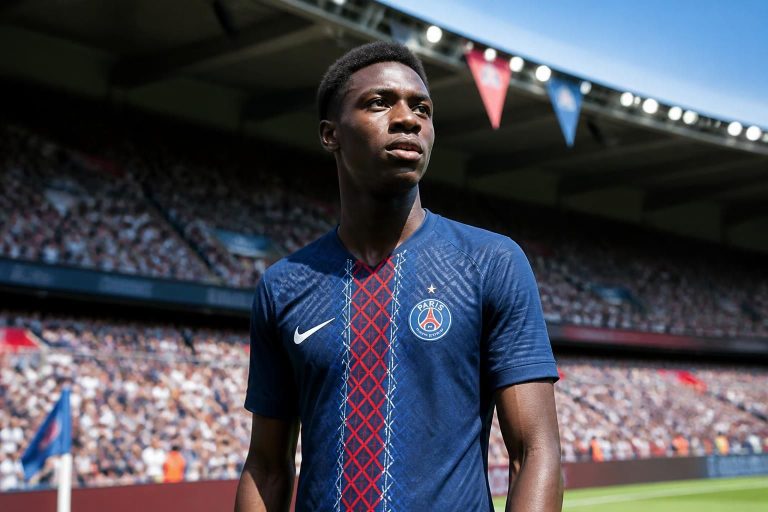
Ohio lawsuit rapidly emerged as a focal point of controversy less than 24 hours after the NCAA Division I Cabinet passed a sweeping new rule governing sports eligibility. This legal challenge, initiated by 15 college basketball players, targets the NCAA’s new age-based eligibility requirements, claiming they unjustly restrict competition opportunities for athletes from the high school class of 2022. The plaintiffs argue the changes unfairly penalize them by denying a crucial fifth year of competition that others can access, sparking an intense debate on fairness and consistency in collegiate athletics.
The NCAA recently redefined athlete eligibility frameworks, capping participation at five seasons within a five-year span beginning with full-time enrollment or shortly after the 19th birthday. Examining the fallout reveals how this new structure significantly removes redshirt exceptions and severely limits extensions—even for injury cases, except for narrowly defined circumstances like religious missions or military service. For athletes who concluded eligibility by spring 2026 under the traditional four-years-in-five model, this means no fifth season awaits. The Ohio lawsuit specifically contests this application, emphasizing that players who progressed directly from the 2022 high school cohort without redshirting are now barred, while others—particularly those with extended eligibility from pandemic-related allowances—will compete further. This discrepancy raises critical questions about equitable treatment in NCAA governance.
Legal Challenge Highlights Inconsistency in NCAA Eligibility Rules Affecting Class of 2022 Athletes
The suit, filed in Cincinnati (Hamilton County), seeks judicial orders to restore a fifth year of competition for affected players. While a temporary restraining order was denied swiftly, the case will move forward with a hearing scheduled imminently. The complaint underscores how the new eligibility rule “unjustifiably restrains” athletes’ ability to capitalize on their name, image, and likeness (NIL) rights connected to their Division I sports participation. This sharp criticism signals growing unrest within the community, as similar lawsuits are likely to arise in various jurisdictions.
The NCAA Division I Cabinet, cognizant of the brewing backlash, stated it has no plans to alter course despite legal action. They maintain the revamped eligibility rules were never intended to be retroactively applied to players whose eligibility finished by spring 2026, asserting that those athletes have received “the full period of eligibility permitted by NCAA bylaws” and the intrinsic benefits of collegiate sports. The Cabinet also warns that extending eligibility isn’t viable without causing roster disruption, detracting from opportunities afforded to incoming freshmen.
Class of 2022 Athletes Grapple with Pandemic-Era Eligibility Extensions and Professional Participation
The complaint brings to light how players from the class of 2022 competed against older athletes granted additional eligibility due to COVID-19 disruptions, putting them at a competitive disadvantage. Intriguingly, the NCAA allowed these 2022 graduates to participate in professional seasons before enrolling in college, with no exclusion from competition in 2026-27, a concession not extended to other players fighting for a similar fifth year. This perceived double standard adds fuel to allegations of arbitrary enforcement.
Highlighting the disconnect, the plaintiffs do not dispute the presence of a defined eligibility period or the core “five-for-five” policy itself. Instead, they zero in on the NCAA’s selective application of these rules, contrasting how athletes from different high school graduation years (2017-20, 2023-25) enjoy an extra year, while class of 2022 athletes are denied the same. This inconsistency extends further with former professionals permitted an additional year regardless of prior professional game experience, a privilege denied to the plaintiffs.
Incorporating insights from this unfolding legal saga within the broader NCAA eligibility five-year window policy helps shine a light on how deeply these regulations impact athlete careers. The players involved include nine connected to Ohio schools and others who have competed in Ohio, underscoring the local significance of this national issue. This development marks a critical juncture in collegiate sports governance, where fairness and legal scrutiny collide within an evolving NCAA framework.
For a more detailed view of the athletes affected by these eligibility controversies, consider exploring stories like the journey of a Michigan basketball guard who navigated eligibility complexities during these turbulent collegiate years. These narratives reveal the human side behind the legal battles and rule changes sweeping college basketball today.