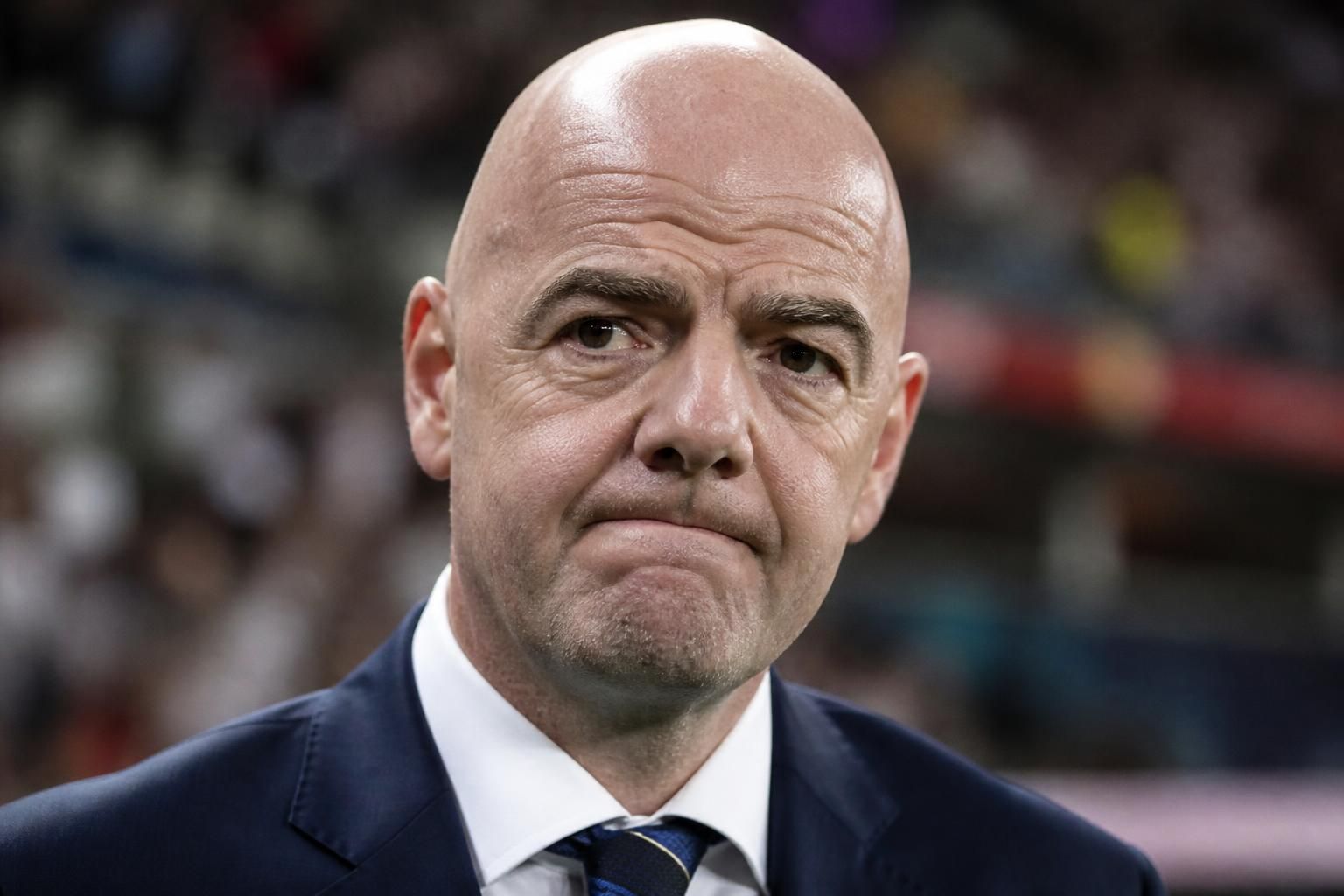
As the 2026 FIFA World Cup intensifies, the spotlight isn’t just on the thrilling soccer matches but also on the man steering the ship, FIFA president Gianni Infantino. Fresh off a nail-biting 3-2 victory by Argentina over Cape Verde in an edge-of-your-seat clash, Infantino finds himself swimming in a sea of controversy. Accusations, fueled by a viral video that allegedly showed him declaring he “suffered with Argentina,” have sparked a wildfire of scrutiny and debate online.
But here’s the kicker — this viral snippet is more about lies and misinterpretations than actual truth. Detailed analysis, backed by credible reports like those from Spain’s Marca, reveals that what Infantino actually said was far more neutral and empathetic rather than partisan. Instead of picking sides, he merely empathized with the collective heartbeats of fans worldwide watching the gripping game unfold.
Meanwhile, the upcoming showdown between Argentina and Egypt is already being framed as a high-stakes clash, adding fuel to the fire of general suspicion around FIFA’s handling of the tournament. With tensions running high, every statement and gesture by officials like Infantino is dissected under the harshest microscope of public opinion. We’re seeing how tricky it is to maintain neutrality in the fiercely emotional and politically charged world of soccer.
Infantino’s Role Under the Microscope in the Argentina vs. Egypt Match Drama
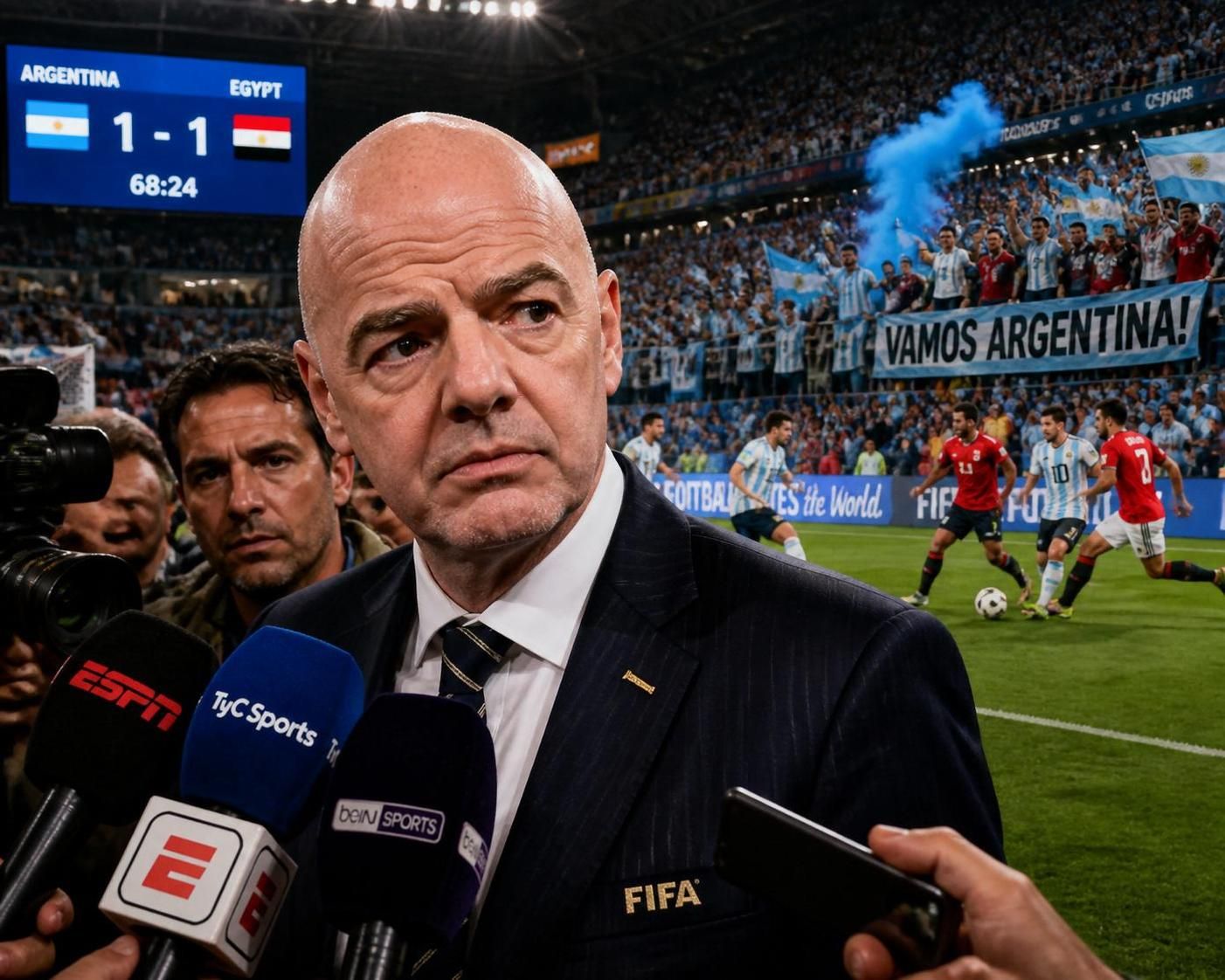
Infantino’s recent brush with controversy serves as a prime example of the intense scrutiny FIFA officials face as the World Cup progresses. The stirred-up audience reaction originates from a problematic video clip circulating on social media, which selectively isolated lines to wrongly imply Infantino’s favoritism toward Argentina. However, a painstaking review shows that he merely reflected on the universal tension and excitement that the match invoked, saying he “felt his heart race like everyone else.”
Such moments underline the delicate balancing act for FIFA in this tournament, especially when the World Cup 2026 has brought together more qualified teams and novel elements than ever before. Going beyond just the soccer field, FIFA’s image and Infantino’s persona are constantly tested amid political backlash, allegations, and public skepticism over fairness.
The Power and Peril of Perception: When Empathy Turns Into Controversy
The case of Infantino’s “suffering with Argentina” comment illustrates how truth can quickly get tangled up with lies in the digital age. It highlights the volatility that FIFA and its president face—where a simple expression of empathy can be misconstrued as partiality. This dynamic is complicated further by the heightened emotions surrounding one of the most exciting World Cups to date.
Fans expect referees and organizers to be neutral arbiters, yet emotions run high when the stakes are clear. This scenario mirrors other sports controversies noted recently, like debates on officiating standards or player conduct that have rocked the soccer and broader sports world.
How the World Cup 2026’s Unique Challenges Amplify FIFA’s Leadership Trials
The 2026 World Cup introduces a fresh variety of challenges for FIFA leadership—hosting duties split across three countries, an expanded roster of teams, and innovative tournament formats. With all this unfolding alongside a highly politicized global sporting landscape, Infantino’s role becomes not only about managing a soccer match but also about navigating a minefield of public expectations.
This context amplifies every word spoken and every decision made. The wide range of qualified teams from diverse backgrounds adds to both the excitement and complexity. FIFA must ensure the tournament’s integrity remains unquestionable despite this increased scale and spectacle.
Looking Ahead: Navigating Controversy Towards Fair Play and Exciting Soccer
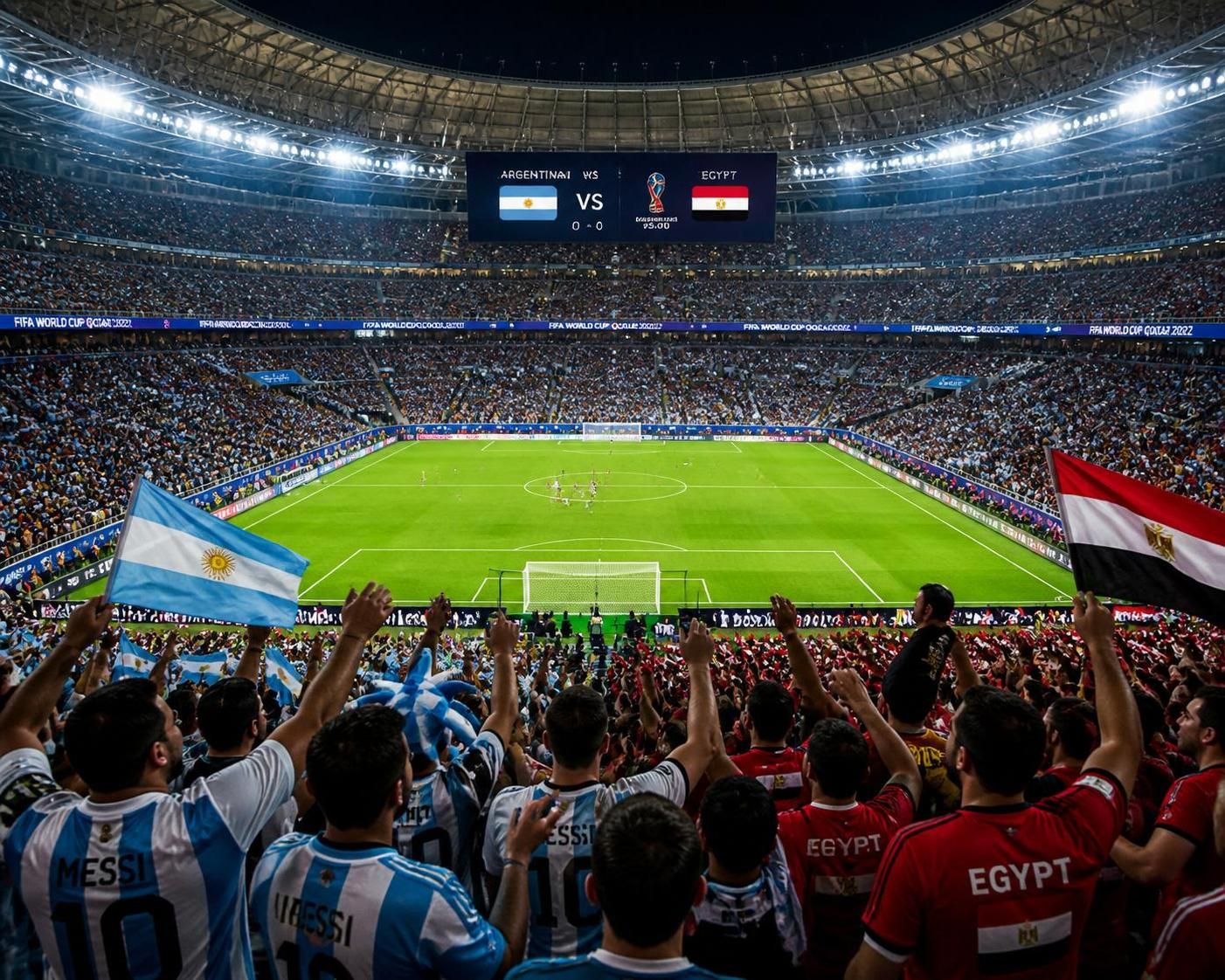
As the Argentina versus Egypt match approaches, all eyes are on how FIFA and Gianni Infantino will manage the pressures of perception and reality. The president’s recent experience shows that in today’s hyper-connected world, leadership in soccer isn’t just about executing tournaments but also about adeptly handling controversy with transparency and credibility.
This is especially essential as the tournament moves beyond just soccer games into a global stage where cultural, political, and emotional factors intertwine. Infantino’s challenge lies in reinforcing that despite rumors and social media twists, the core of the 2026 World Cup is spectacular soccer drama, not backstage politics.