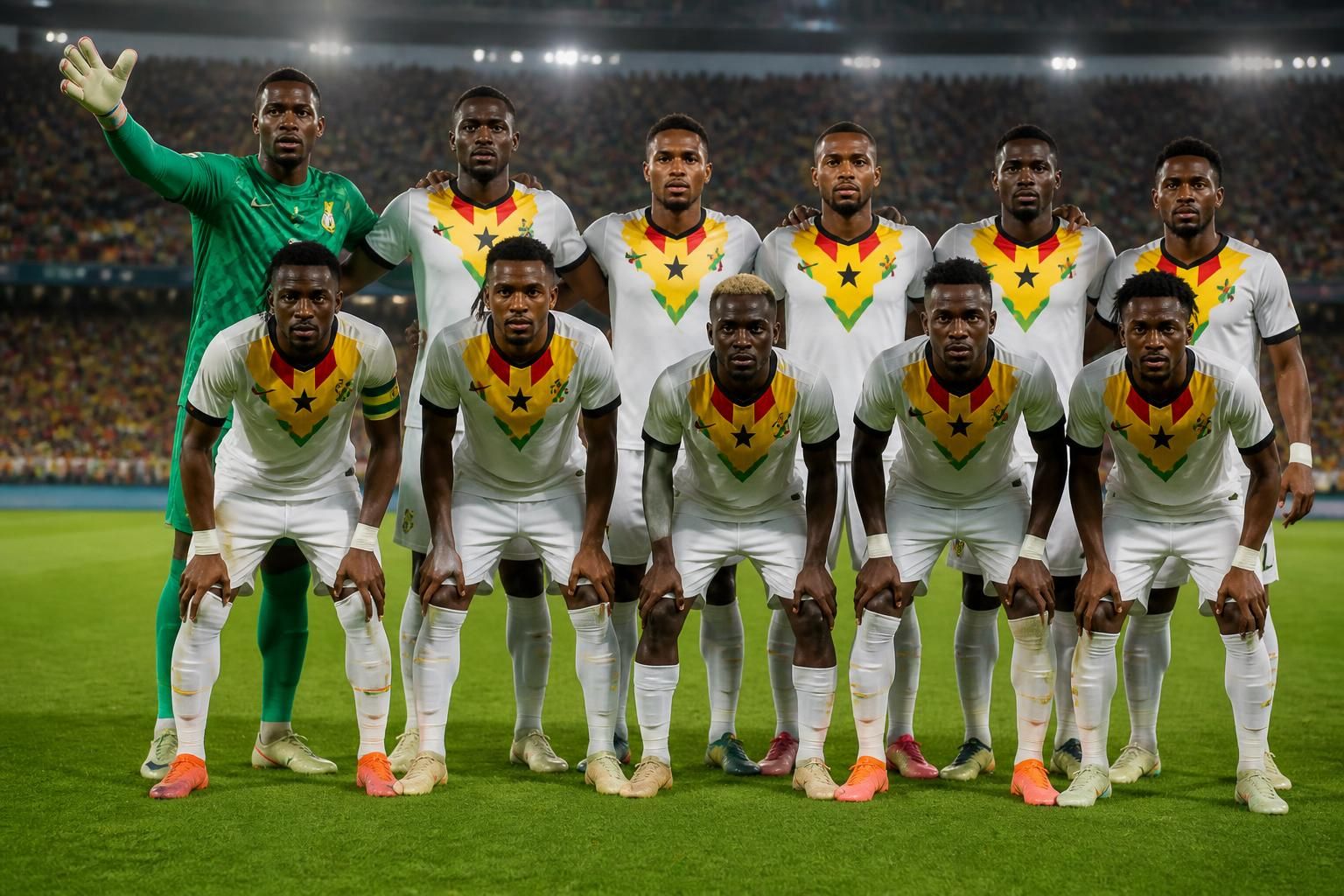
Ghana’s squad for the 2026 World Cup blends a potent mix of seasoned veterans and exciting young talent, ready to step back onto football’s grandest stage. Despite some setbacks and a transitional phase under new leadership, the Black Stars maintain their reputation as one of Africa’s most iconic national teams. Their qualification campaign was marked by defensive solidity and opportunistic finishing, but the group stage draw sets a daunting challenge, pitting them against heavyweights like England and Croatia. With a tactical approach emphasizing structured pressing and quick transitions, the team hopes to turn speed and discipline into a competitive edge in the tournament.
The squad revolves around midfield maestro Mohammed Kudus, who unfortunately faces an injury shadow cloud — a serious blow to Ghana’s creativity. However, rising star Antoine Semenyo, who recently shined in the Premier League and secured silverware with Manchester City, steps up as the primary attacking threat. Complemented by experienced leaders such as Thomas Partey and Jordan Ayew, the team’s tactical setup prioritizes defensive organization with fluid attacking roles designed to exploit transitional speed.
This upcoming World Cup will test whether Ghana can rekindle the fearless performances they’ve historically been known for, pushing through a tough group and aiming for at least a round-of-16 appearance — a stage where disciplined execution and finishing efficiency will be paramount. Are the Black Stars ready to outshine their group rivals and reclaim their status on the world stage?
Ghana’s predicted lineup and tactical approach for FIFA World Cup 2026 ⚽⭐
The predicted Ghana team lineup for the 2026 World Cup is set to follow a disciplined, defense-first approach under newly appointed coach Carlos Queiroz. Expect a compact 4-3-3 or 4-1-4-1 formation that revolves around tight defensive structure combined with lightning-fast counterattacks. This tactical identity suits the squad’s blend of athleticism and technical midfield prowess, highlighted by players like Thomas Partey anchoring the midfield and Mohammed Kudus tasked with orchestrating the attack from a creative midfield role.
The defense is anchored by dependable center-backs such as Mohammed Salisu and Alexander Djiku, offering aerial solidity and positional intelligence. Full-backs like Tariq Lamptey bring both recovery speed and offensive support, providing width necessary to stretch opponents. Going forward, wingers Kamaldeen Sulemana and Antoine Semenyo exploit space in transition, while striker Iñaki Williams uses pace to tug defenses out of shape.
Analyzing Ghana’s strengths and weaknesses against elite competition 🔍
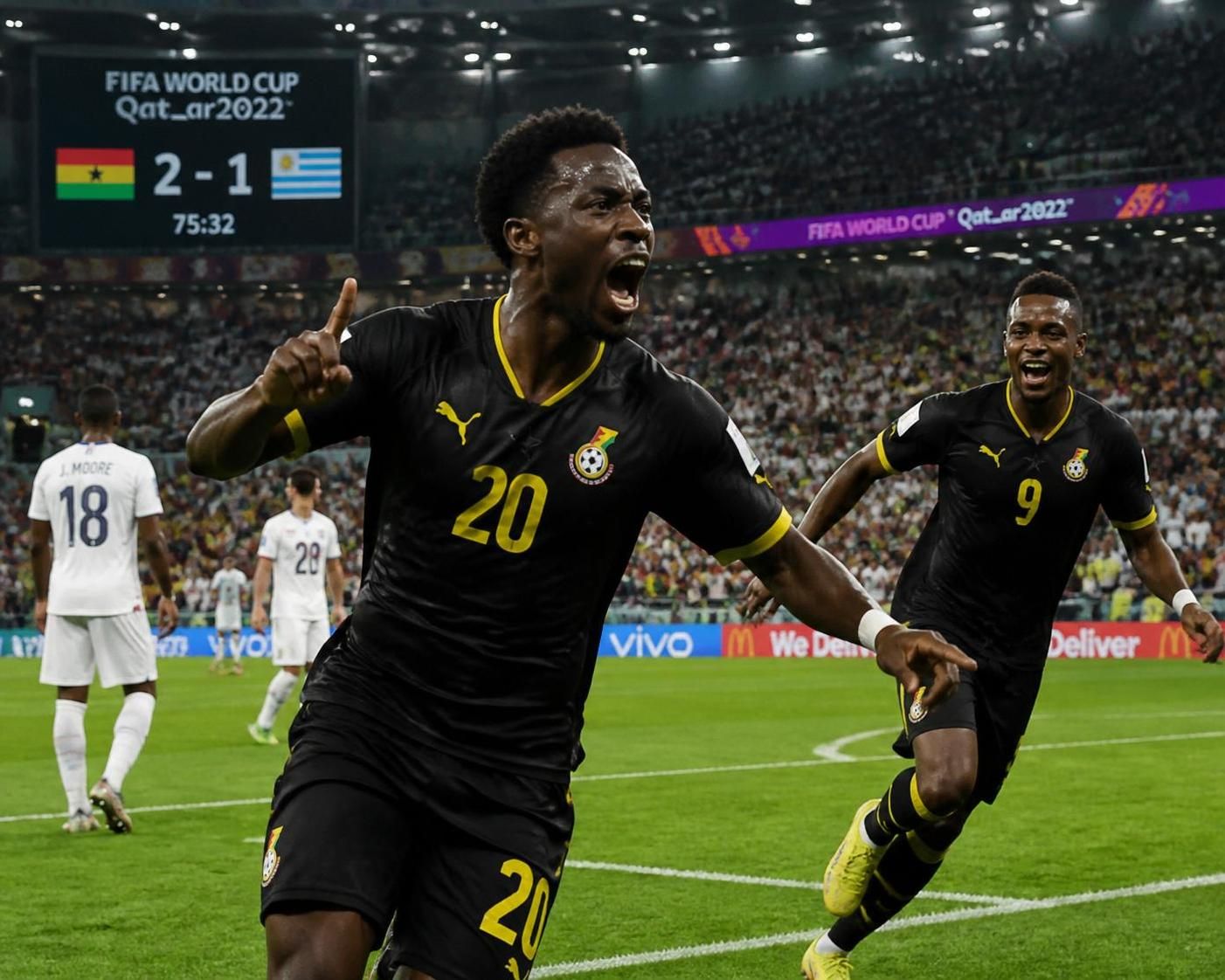
Ghana’s team is loaded with explosive pace and versatile attackers capable of unsettling any defense. However, the absence of their primary creative impetus in midfield is a glaring vulnerability. The midfield depth beyond Mohammed Kudus wavers in consistency, and opponents may exploit this by controlling tempo and forcing Ghana into long, drawn-out battles against deep defensive blocks.
Defensively, the squad boasts athletic central defenders and rapid full-backs, but sustaining compactness under relentless wide pressure remains a challenge. Goalkeeping is reliable with Lawrence Ati-Zigi offering strong shot-stopping, though distribution can sometimes falter under intense pressing, a factor opponents will undoubtedly try to exploit.
But it’s the tactical discipline and combined experience of players like Thomas Partey and captain Jordan Ayew that might make the difference. This blend of youthful energy and veteran savvy creates a balanced team capable of punching above its weight in a difficult group alongside England and Croatia.
Projected Starting XI: Ghana’s battle formation for the 2026 World Cup 🏟️
Here’s the likely starting lineup shaping Ghana’s fight to survive the group stage and beyond. Queiroz will probably stick to a 4-2-3-1 formation to balance attack and defense:
- Goalkeeper: Lawrence Ati-Zigi
- Right-back: Tariq Lamptey
- Center-backs: Mohammed Salisu & Alexander Djiku
- Left-back: Gideon Mensah
- Defensive midfielders: Thomas Partey and Salis Abdul Samed
- Right wing: Antoine Semenyo
- Central attacking midfield: Mohammed Kudus (fitness permitting)
- Left wing: Kamaldeen Sulemana
- Striker: Iñaki Williams
This configuration allows Ghana to remain compact when needed, quickly springing into fast counters utilizing wide pace and attacking versatility. The shadow of Kudus’s injury looms large, and any absence there would force a tactical reshuffle, likely increasing reliance on quick transitions through Semenyo and Kamaldeen.
Road to the World Cup: How Ghana qualified and what lies ahead 📅
Ghana clinched their spot in North America with a dominant qualification run, topping their CAF group with a mix of defensive grit and sharp finishing. They amassed 25 points, scoring 23 goals and conceding just six — an impressive feat that showed balance and resilience.
Captain Jordan Ayew was instrumental in leading the charge, contributing substantially in high-pressure moments. Yet, as the team switches gears from qualification to facing global elites, maintaining this momentum will be a tall order. Strong starts, especially against arguably the easiest group opponent Panama, will be critical to generating confidence before testing matches against bigger powers.