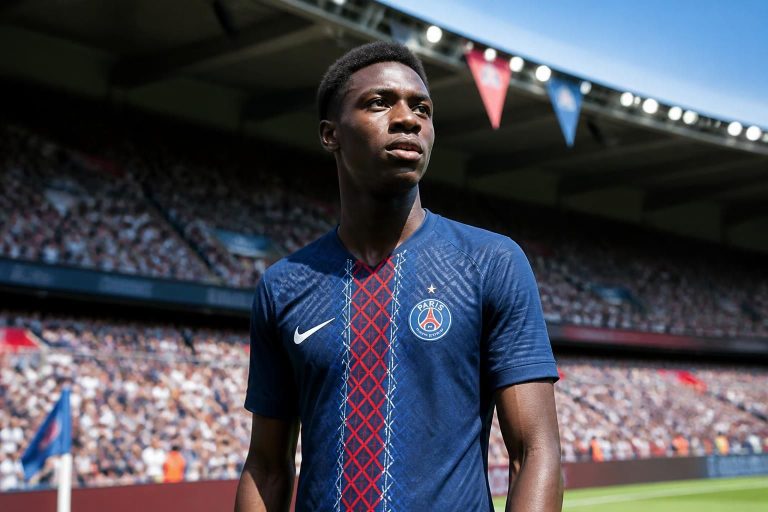
EA Esports is setting the stage for an evolving esports landscape, blending deep game expertise with a cross-title strategy that aims to unify player engagement across multiple multiplayer titles. Monica Dinsmore, EA’s Head of Esports, recently unpacked the company’s ambitious plans at the Esports World Cup in Paris, revealing how integrating diverse competitive ecosystems and innovations in game development signal strong future directions for the entire esports industry. From the sold-out Apex Legends Global Series playoffs thrilling fans with its match-point drama to the massive $1 million+ prize pool fueling EA FC dreams, it’s clear that EA is pushing boundaries in both scale and engagement. 💥
The traditional silos between titles are breaking down, thanks to a tactical blend of specialized and cross-functional teams who maintain deep knowledge in their individual games while sharing best practices across the board. This trend underscores how the lines between esports and real-world sports continue to blur, opening doors to fresh audience interactions—as seen in historic events like the eChampions League final merging with UEFA’s real-life spectacle in Budapest. EA’s commitment doesn’t stop there; their forward march includes mobile esports expansion, aiming to catch the next wave of competitive enthusiasts in mobile-first markets like Asia. ⚽🔥
EA Esports Chief Unveils Cross-Title Strategy Driving Competitive Gaming Growth
Monica Dinsmore doesn’t just oversee titles in isolation—she orchestrates a broad operational harmony that fuels engagement and innovation. EA’s approach combines dedicated experts who dive deep into title-specific rules and communities with teams spanning marketing, PR, and league operations across all esports properties. This fusion ensures fans of Apex Legends, EA FC, and beyond receive tailored content and immersive experiences while the ecosystem benefits from shared learnings and cohesive strategy. Such a model breaks the mold of segmented esports management, pointing toward a unified future in competitive gaming where player engagement thrives beyond single-game boundaries.
This cross-title strategy also extends into how fans are cultivated and approached. Dinsmore highlights the surprising crossover where an Apex fan might also tune into NFL games, emphasizing similarity in fandom drivers—passion for community, skill improvement, and support for favorite players or teams—regardless of the game’s genre. However, the nuances within each game’s culture still demand tailored engagement to truly resonate with different audience bases. It’s a delicate balance between broad reach and authentic connection, one that EA seems intent on perfecting as esports growth gains momentum worldwide. 🎮⚡
The Convergence of Esports and Real-World Sports Here to Stay
Moments when esports events align with real-world sporting spectacles—like the Champions League final or NFL’s Super Bowl—are far more than marketing stunts. They symbolize a genuine merging of audiences and experiences where esports often serves as a gateway for younger fans into traditional sports. The reverse is also true, where traditional sports fans find new engagement through esports platforms. EA’s eChampions League, with its trophy presentation directly on the football pitch, epitomizes this synergy, creating unique, memorable experiences that deepen fan investment.
Looking ahead, these moments could evolve into regular fixtures, pointing to a future where esports fandom could rival, if not emulate, the global fever seen in iconic sports events like the World Cup. The potential is enormous, indicating exciting new audience growth avenues while confirming esports isn’t just a parallel entertainment channel—it’s becoming an integral part of the sports ecosystem. 🌍🏆
Mobile Esports and International Expansion: A Bold Chapter in EA’s Future Directions
Dinsmore also sheds light on EA’s strategic move into mobile esports, particularly with FC Pro Mobile’s launch in Asia, a region primed for a mobile-first competitive gaming culture. This step isn’t just about platform diversification but about tapping into new international fanbases and creating fresh competitive opportunities that resonate globally. The approach is cautious yet responsive, starting with community-driven tournaments and festivals aimed at gauging interest before formalizing structures.
This evolution in game development and competitive framing spotlights how player engagement is shifting, with mobile offering quick, accessible avenues for esports growth. Importantly, league and club partners within the EA FC ecosystem express strong enthusiasm, viewing the mobile expansion as a method to penetrate untapped markets—a critical move for sustaining long-term esports growth and relevance across demographics. 📱🌐
Moving From Esports Winter to Esports Spring: EA’s Vision for Sustainable Growth
After a reflective year since assuming the helm at EA Esports, Dinsmore stresses how the landscape has shifted from an “esports winter” into what she calls an “esports spring.” This is more than a feeling—it’s reflected in the increasing investment, passion, and collaboration seen at events like the Esports World Cup and across AAA publisher engagements globally. Paris becoming a hub for such convergence speaks volumes about the industry maturing into a sustainable ecosystem.
EA’s esports divisions are no longer just about competition; they’re becoming cultural touchstones with fan-fests, immersive on-site experiences, and brand activations. Integrations between dev teams and esports strategies are deepening, leveraging in-game features like exclusive drops to heighten fan connection. It’s a holistic growth approach that hints at the vibrant future directions the esports industry is undertaking this decade. 🌱✨
The possibility of expanding EA’s competitive portfolio to include titles like Madden speaks to a global vision where regional sports games could break their niches and claim spots on the world stage. Dinsmore hopes for the day when markets like France demand Madden globally, mirroring NFL’s growing European presence. This would mark a significant broadening of EA’s esports footprint, uniting diverse fanbases under a single competitive umbrella.
For those interested in how this dynamic esports growth aligns with evolving trends, consider following recent developments connected to the Esports World Cup evolution and how strategic deals in the broader gaming industry impact the future of competitive gaming.