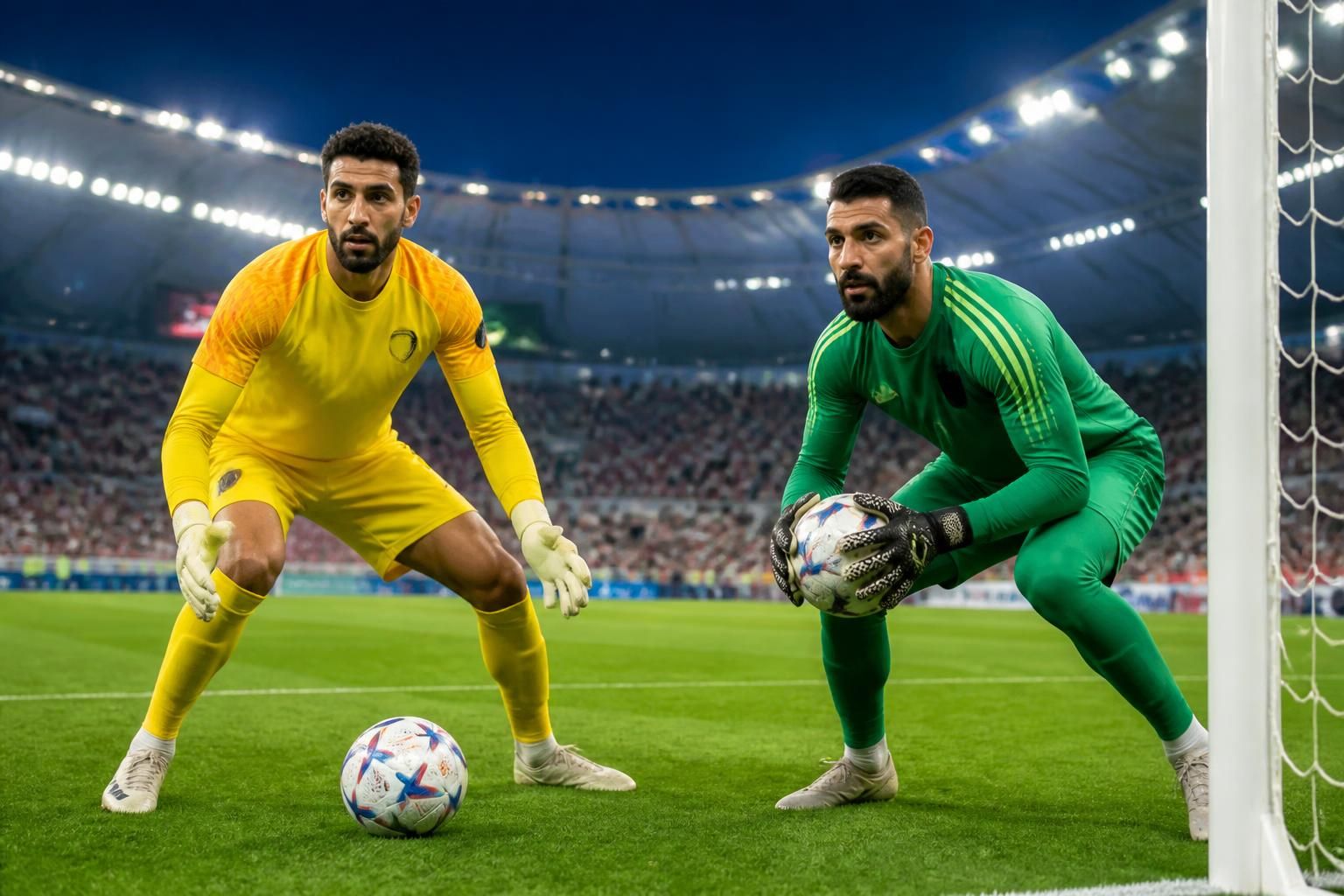
As the 2026 World Cup carves its place in football history with unprecedented scale and excitement, the spotlight keeps shifting—and this time, it’s firmly fixed on an often underrated role: the goalkeeper. From the snowy fields of Norway to the sun-drenched pitches of Saudi Arabia, goalkeepers have risen as heroes, blocking shots with the poise of seasoned artists. Among these shot-stoppers, two Arab stars are proving their mettle, rewriting the narrative of their regions in this global tournament. ⚽🔥
The tournament’s massive scale, shared across the United States, Canada, and Mexico, has unleashed a varied blend of football talent, reinforcing why in soccer, the goalkeeper can be as decisive—if not more so—than the flashy forwards. Beyond the sheer number of saves made for their countries, these keepers have become emblematic figures, capable of singlehandedly swinging momentum in high-stakes matches. This World Cup thus narrates more than just goals; it tells a tale of resilience, reflexes, and razor-sharp focus, perfectly embodied by our Arab stars.
Brief Highlights:
- ✨ Orlando Gil (Paraguay) bags the top spot with 23 saves, showcasing relentless determination.
- 🛡️ Eloy Room (Curaçao) and Swiss’s Gregor Kobel trail closely with 20 saves each, underscoring the international calibre of goalkeepers.
- 🌟 Mohammed Al-Owais (Saudi Arabia) shines brightly among the best, tallying 16 crucial saves.
- 🚀 Yassine Bounou (Morocco) matches top saves at 15, proving North African keepers are forces to reckon with.
- ⚽ Innovative formats and host-centric setups bring fresh tactical challenges for goalkeepers to master.
Goalkeepers Taking Centre Stage in the 2026 FIFA World Cup
While fans usually remember the forwards lighting up the scoreboard, this edition of the World Cup has been a goalkeeper’s festival, emphasizing an often overlooked art: the save. The statistics gathered by Squawka reveal that the Paraguayan fence, Orlando Gil, is no less than a wall with 23 interventions, far outpacing his peers. Alongside him, Curaçao’s Eloy Room and Switzerland’s Gregor Kobel, both clocking an impressive 20 saves, have been crucial in keeping their teams competitive in this knockout-heavy tournament.
The tournament’s setup, stretching over three host countries, tests even the most seasoned athletes with varying climates and altitudes. This heterogeneous environment forces goalkeepers to adapt rapidly, enhancing their role beyond shot-stopping to include captain-like leadership and strategic communication on the backline. This multi-nation organization raises the stakes, especially for Arab stars Mohammed Al-Owais and Yassine Bounou, who represent not only their teams but the pride of an extensive region.
The Rising Arab Stars Redefining Goalkeeping Excellence
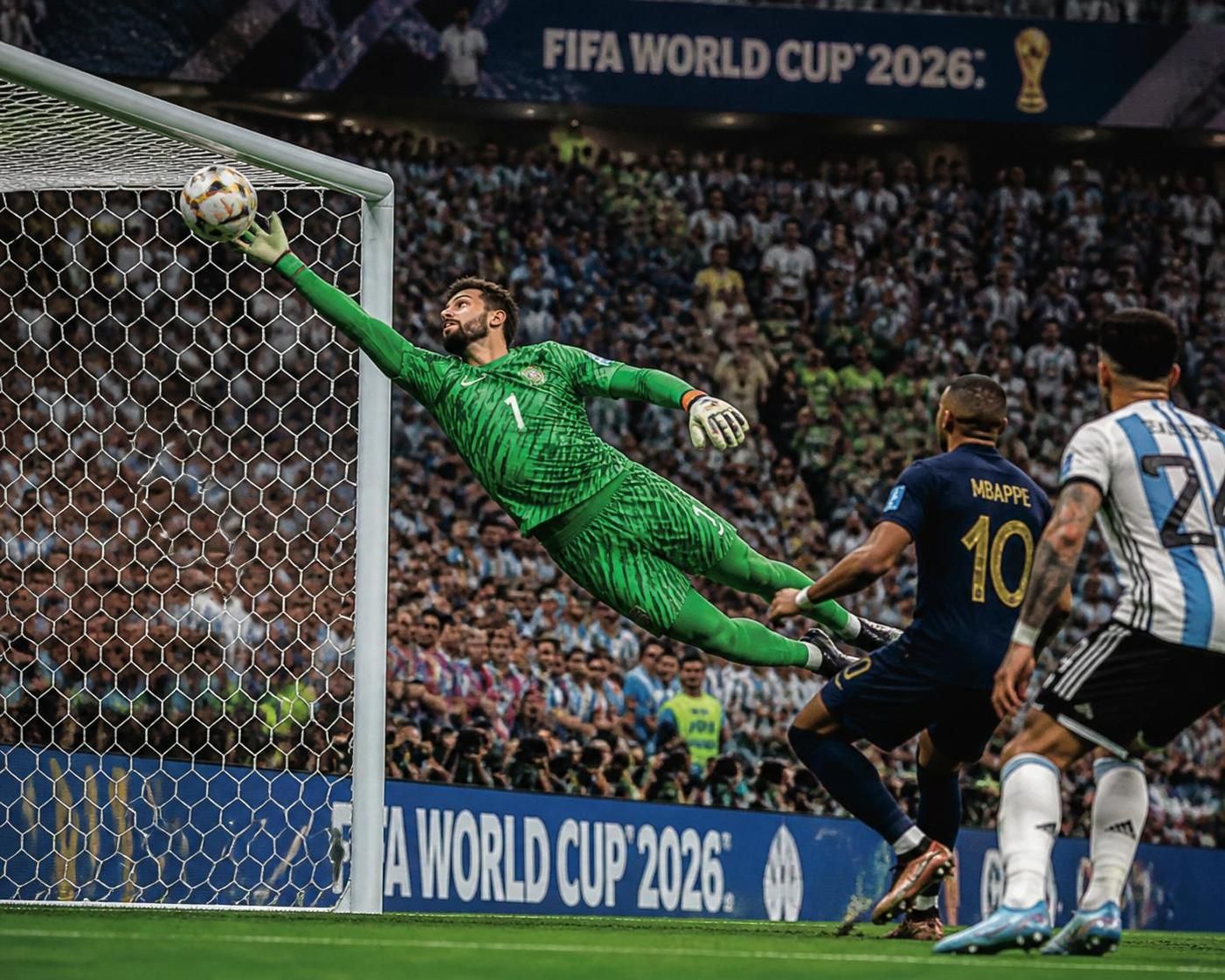
The spotlight on Arab soccer grows brighter thanks to Mohammed Al-Owais and Yassine Bounou, who have made more than just routine saves; their performances have literally lifted their teams’ spirits and kept hopes alive in tightly contested matches. Al-Owais, registering 16 key saves, stands out for his agility and calm under pressure, always ready to thwart the most unexpected attacks. Meanwhile, Yassine Bounou from Morocco, with an equivalent tally of 15 interventions, offers a blend of sharp reflexes and courageous decision-making.
Their impact extends beyond the pitch — inspiring millions across Arab nations and reshaping global perspectives on athletes from the region. It’s not just about statistics; these seasoned goalkeepers bring leadership and experience, reflected in their ability to handle penalty shootouts and chaotic defensive moments with poise.
Witness their journey and regional significance diving into the detailed roster check at Saudi Arabia’s World Cup campaign and the remarkable rise spotlighted by Cape Verde’s milestone story.
Goalkeeper Stats: Who’s Making the Most Crucial Saves?
Numbers never lie in sports, and the tally of saves speaks volumes about these athletes’ cat-like instincts. The Portuguese goalkeeper Diogo Costa stands fourth with 19 saves, followed by Fozinha of Cape Verde with 18, both underscoring how the art of the save transcends geographical boundaries. Noordic powerhouse Bart Verbruggen of the Netherlands and Norway’s Orjan Nyland each share the 6th position with 16 decisive saves.
The Iranian goalkeeper Alireza Beiranvand is another name catching attention with 15 saves, neck-and-neck with Morocco’s Yassine Bounou. These numbers depict a league of extraordinary shot-stoppers whose contributions are pivotal to their teams’ performances in this intense soccer tournament.
What This Means for Soccer and Future Tournaments
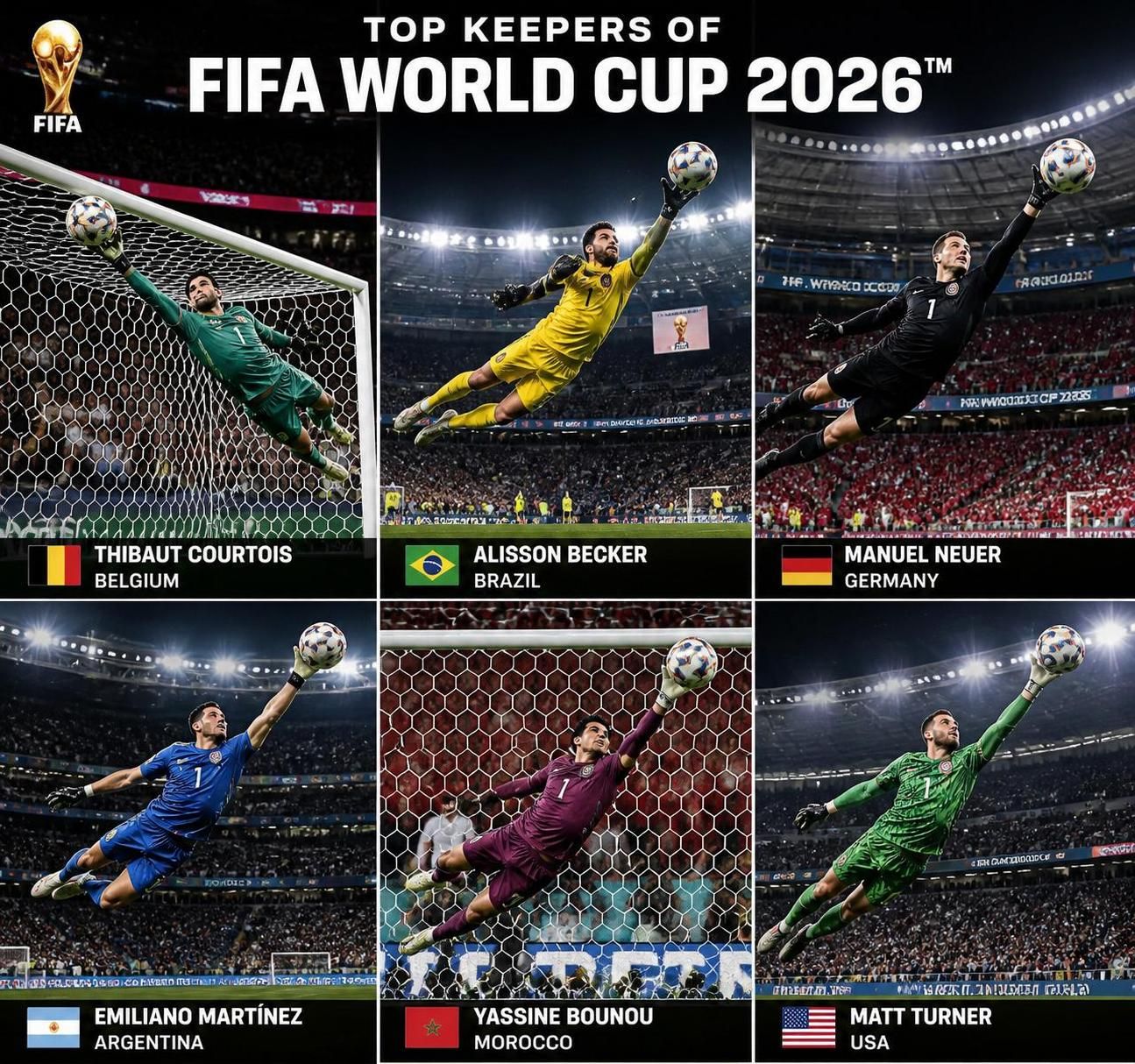
The 2026 FIFA World Cup has brilliantly showcased how goalkeepers upgrade from last-line defenders to match-winning superstars. The tournament’s expansive format, with groups scattered across North America’s vast venues, creates diverse challenges dissimilar to previous editions. This demands that sportsmen embrace adaptability, resilience, and an unwavering focus, especially in high-pressure knockout situations.
The prominence of Arab keepers in this event not only contributes to a richer tapestry in football history but also hints at how global football could evolve. Their performances are not isolated displays; they serve as blueprints for upcoming athletes and growing football communities in the Arab world. In turn, soccer itself benefits from a broader spectrum of talents, putting fresh narratives and rivalries on the world stage.
Looking for a comprehensive preview of all team lineups and standout players in the tournament? Take a closer look at the team developments with Uruguay’s squad insights and Belgium’s participation outlook for a wider lens on the competition’s framing.