

Nice’s rugby scene is facing a crisis unlike any before, as the club Nissa Rugby finds itself excluded from the professional Pro D2 competition due to financial shortcomings, igniting fears about the sport’s very survival in the city. The ruling by the Autorité de régulation du rugby (A2R) to relegate the club after it failed to provide the necessary financial guarantees has sent shockwaves through players, staff, and supporters. The consequences go far beyond just a sporting setback, threatening a community that boasts 850 licensed players and hundreds of dedicated staff and volunteers. While the city’s commitment appears shaky amid stalled renovation plans for the crucial Marcel-Volot stadium, the club has vowed to appeal, clinging to hope in the face of this financial and administrative storm.
Here’s what’s happening in a nutshell ⚡:
- 🏉 Nissa Rugby officially excluded from Pro D2 due to financial issues stemming from halted stadium renovation.
- 💼 Legal appeal underway to save the club and preserve rugby’s presence in Nice.
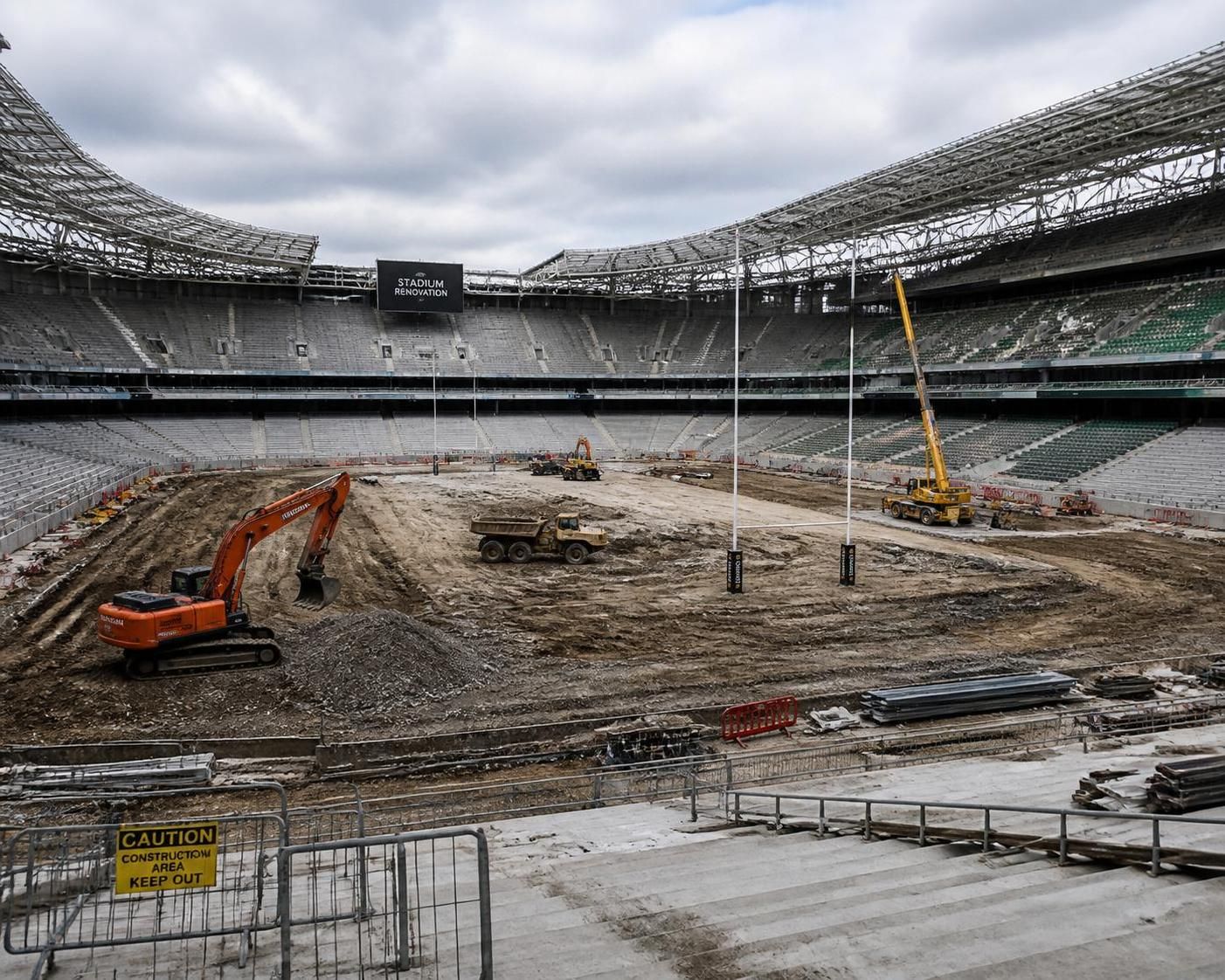
- 🏟 The stalled Marcel-Volot stadium project is central to the club’s financial and sporting ambitions.
- 🏛 The city of Nice and authorities expressed mixed signals, with some support but undeniable disengagement from earlier promises.
- ⚠ A failed appeal could mean a catastrophic drop to Régionale 3, threatening the club’s future viability.
Financial Turmoil and Pro D2 Relegation: A Sport Management Failure in Nice
When a professional sports team’s fate hinges on financial compliance, the drama is rarely confined to the pitch. The decision by the A2R to exclude Nissa Rugby from the Pro D2 competition due to inadequate financial guarantees reveals deep flaws in the club’s management and, crucially, in how the city has handled its obligations. The stalled renovation of the Marcel-Volot stadium—the club’s home ground—stands out as a glaring example of missed commitments. After initial enthusiasm following their victory against Mont-de-Marsan, which secured promotion on sporting merit, optimism quickly gave way to frustration when the municipality stopped supporting the stadium upgrades that were supposed to tailor the venue to Pro D2 standards.
While the club counts on a future with a proposed 12,000-seater stadium project to restore economic viability and independence, the lack of concrete progress puts the entire rugby ecosystem in Nice at risk. This breakdown between club ambition and city response is a textbook case of sports governance failure, where politics and bureaucracy seem to have stalled what should have been a triumphant step forward.
The Ripple Effect on Team Performance and Community Impact
Beyond the boardroom and the city hall chambers, the effect of this relegation and shaky future plan is felt most acutely by the players, staff, and the local rugby community. Nissa Rugby’s roster, including its Welsh contingent, now faces a precarious situation where uncertainty about the upcoming season looms. With two presidents recently resigning—Jean-Baptiste Aldigé and Patrice Prévot—the governance vacuum further complicates any efforts to stabilize the club’s operations. Supporting this team’s trajectory is crucial, with 850 players affiliated and over 120 employees linking their livelihoods to the club’s fortunes.
The threat here is not just to a single team’s status but to the fabric of rugby culture in Nice, where numerous volunteers and partners contribute to an ecosystem that fosters not just high-level competitions but grassroots development. If the appeals process falters and relegation to Régionale 3 becomes a reality, the sport’s footprint in the region risks unforeseeable shrinking, jeopardizing future talent and community engagement. Clearly, the path to recovery will require more than on-field excellence; it demands coherent management and consistent municipal backing.
City Response and Future Prospects for Rugby in Nice
While the situation looks grim, there’s a glimmer of strategic maneuvering. Éric Ciotti, the mayor, has made public statements assuring continued support for Nissa Rugby to compete in the upcoming 2026-2027 Pro D2 season. Yet, the reality of the stalled stadium project and financial woes tempers such promises, casting doubt on the city’s long-term commitment. The appointment of Jean-Pierre Rivère, former president of OGC Nice football club, by the municipality to oversee reflections on rugby’s future might signal a more structured approach to resolving these issues, but practical results remain to be seen.
This unfolding drama echoes similar stories in rugby around France and beyond, where stadium ambitions, community expectations, and economic realities collide. To preserve the club’s status and maintain the sport’s vibrant presence, the Nissa Rugby appeal against the A2R decision must succeed. Otherwise, we risk witnessing the decline of one of the key sports institutions in Nice, a loss that would resonate deeply in the Pro D2 landscape and for rugby enthusiasts alike. The stakes could not be higher: this is not just a battle for league placement, but crucial to the future of rugby culture in this historic city.
For those wanting to follow similarly intense regional rugby comebacks and the intricate dance between club fortunes and city support, there’s plenty to explore at rugby regional comebacks, or dive into the realities of club survival and community impact at Nice excluded from Pro D2. The story unfolding in Nice serves as a critical lens through which sports governance, local politics, and community passions converge in rugby’s ever-challenging landscape.