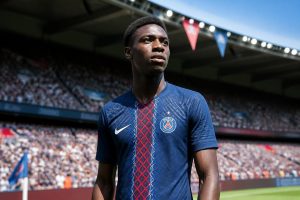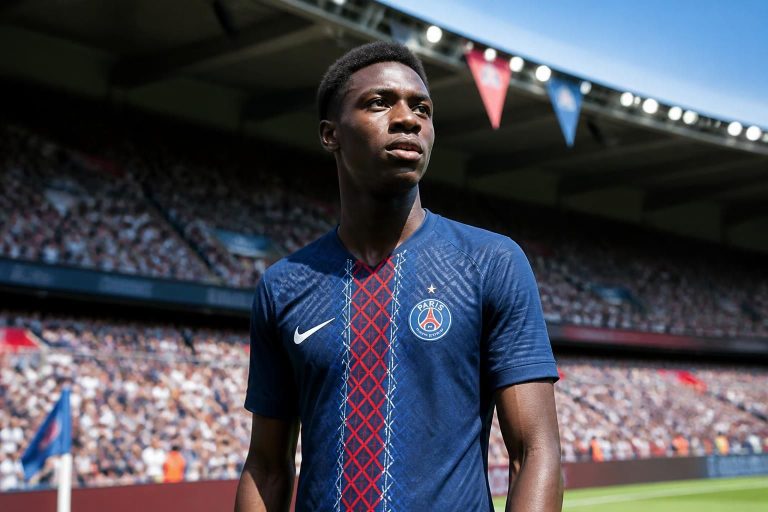
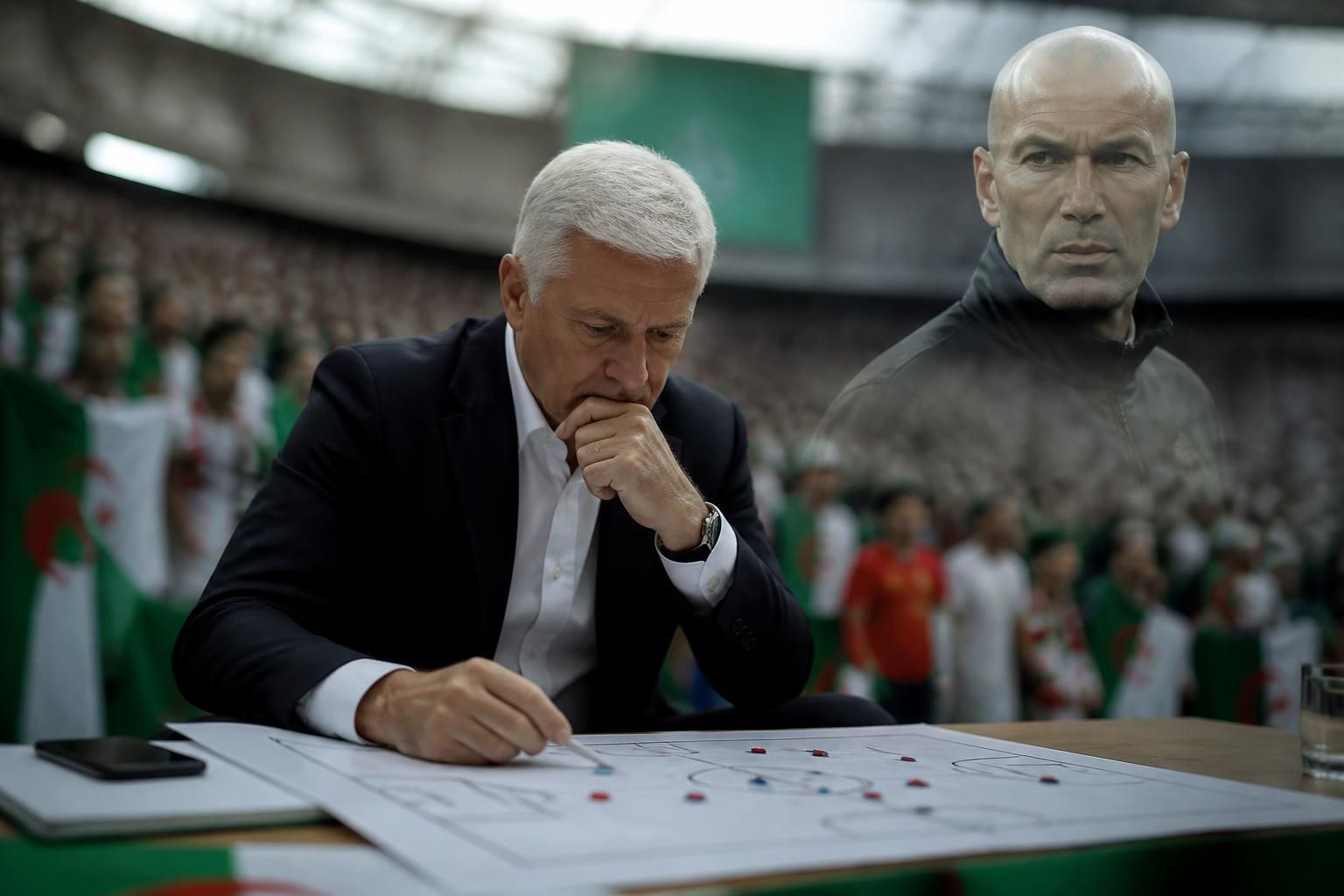
Algeria is buzzing with a fresh ⚽ controversy surrounding goalkeeper Luca Zidane, son of the legendary Zinedine Zidane, as the national team’s coach Vladimir Petković tightens his grip on tactical decisions ahead of the World Cup knockout stages. After a dramatic group phase climax ending 3-3 against Austria, Petković’s choice to sideline Luca in favor of Oussama Benbout did not land well with fans or pundits, sparking heated debates on the balance between faith, form, and team synergy. Now, with Algeria preparing for the round of 16 against Switzerland, strategic plans are being overhauled, and all eyes are on Petković’s next move. Will he stick with his risky goalkeeper shuffle or bet on the less proven options? The choices are thin, but the stakes couldn’t be higher for Algeria’s hopes in the 2026 FIFA World Cup.
It’s clear that football in Algeria has entered a new era of scrutiny under Petković’s disciplinarian eye, especially around team management and coaching decisions. What might seem like an internal tussle of goalkeepers is actually crucial for the team’s tactical fabric and future World Cup ambitions. Captain’s calls have raised questions about the gamble of disrupting the goalkeeper hierarchy, which also impacts locker room dynamics and fan morale. With tactics under the microscope, Algeria’s story is a fascinating study of how sports leadership wrestles with pressure, performance, and the ghosts of football legends.
In brief – Algeria’s Goalkeeper Drama Ahead of World Cup Knockouts 🥅🔥
- 💥 Petković’s decision to bench Luca Zidane stirred intense controversy among fans and media alike.
- 🎯 Oussama Benbout was preferred for the crucial Austria match but faced criticism after conceding three goals.
- 🔄 Petković weighs sticking with Benbout, reinstating Zidane, or deploying young talent Melvin Mastel against Switzerland.
- ⚽ The spotlight is on how these choices will affect Algeria’s performance and morale in the high-stakes round of 16.
- 🛠️ This goalkeeper saga highlights the broader challenges of team management and coaching at the 2026 World Cup level.
Petković’s Tactical Maze: Navigating Algeria’s Goalkeeper Conundrum
It’s no understatement to say that Vladimir Petković is currently under the microscope, threading a very thin line between strategic acuity and fan dissatisfaction. His choice to replace Luca Zidane, whose lineage carries enormous expectations, with Oussama Benbout, a relative newcomer, was a bold shake-up laughed off by some but deeply frowned upon by others. Despite the roller-coaster 3-3 draw against Austria where Benbout conceded thrice, Petković insists the decision was about current form rather than reputation, stating that performance during the group stages was pivotal in shaping his selections.
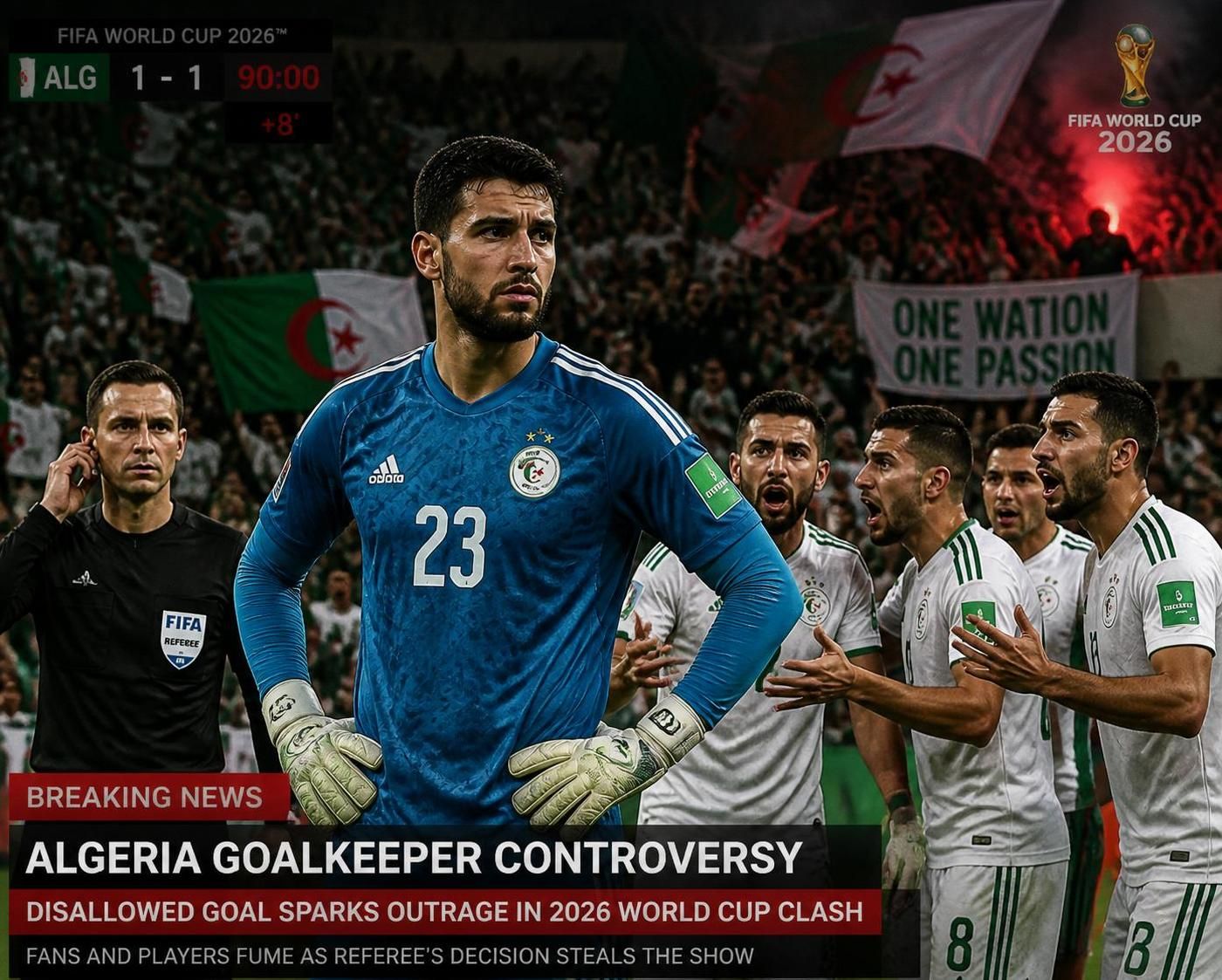
Algerian supporters, however, remain skeptical. The decision ignited passions mainly because Benbout’s shaky showing did little to quiet the ghosts of doubt lingering after Luca’s questionable performances earlier in the tournament. This goalkeeper chess game has become a flashpoint for criticism and showcases how coaching at this level isn’t simply about managing players but managing expectations, legacies, and intense national pride.
The Shadow of Zidane: Legacy vs. Performance
There’s no denying that carrying the Zidane name brings more than just talent – it comes with relentless public scrutiny and heavy psychological baggage. Since switching allegiance to Algeria, Luca Zidane has been in the fading yet persistent spotlight, with many expecting him to channel some of his father’s brilliance. The recent benching feels like a harsh reminder that legacy alone won’t secure a spot on this highly competitive World Cup stage. Petković’s strategies reveal an uncompromising stance on meritocracy, indicating that even the weight of football royalty cannot shield a player from tough tactical calls.
This tension spills over into the locker room and the media, fueling controversy that transcends match results and lingers in the heart of Algerian team management. The choice to possibly rotate or bring in a lesser-known third goalkeeper, Melvin Mastel, hints at Petković’s willingness to experiment dramatically despite the tournament pressures.
Strategic Plans and the World Cup Road Ahead for Algeria
As Algeria looks beyond the group stage, the pressure mounts on Petković to finalize his starting lineup and sharpen tactical clarity. The looming match against Switzerland represents both a test and an opportunity for the Algerian squad to prove that their internal debates and goalkeeper dilemmas haven’t derailed their quest into the deeper rounds of the FIFA World Cup.
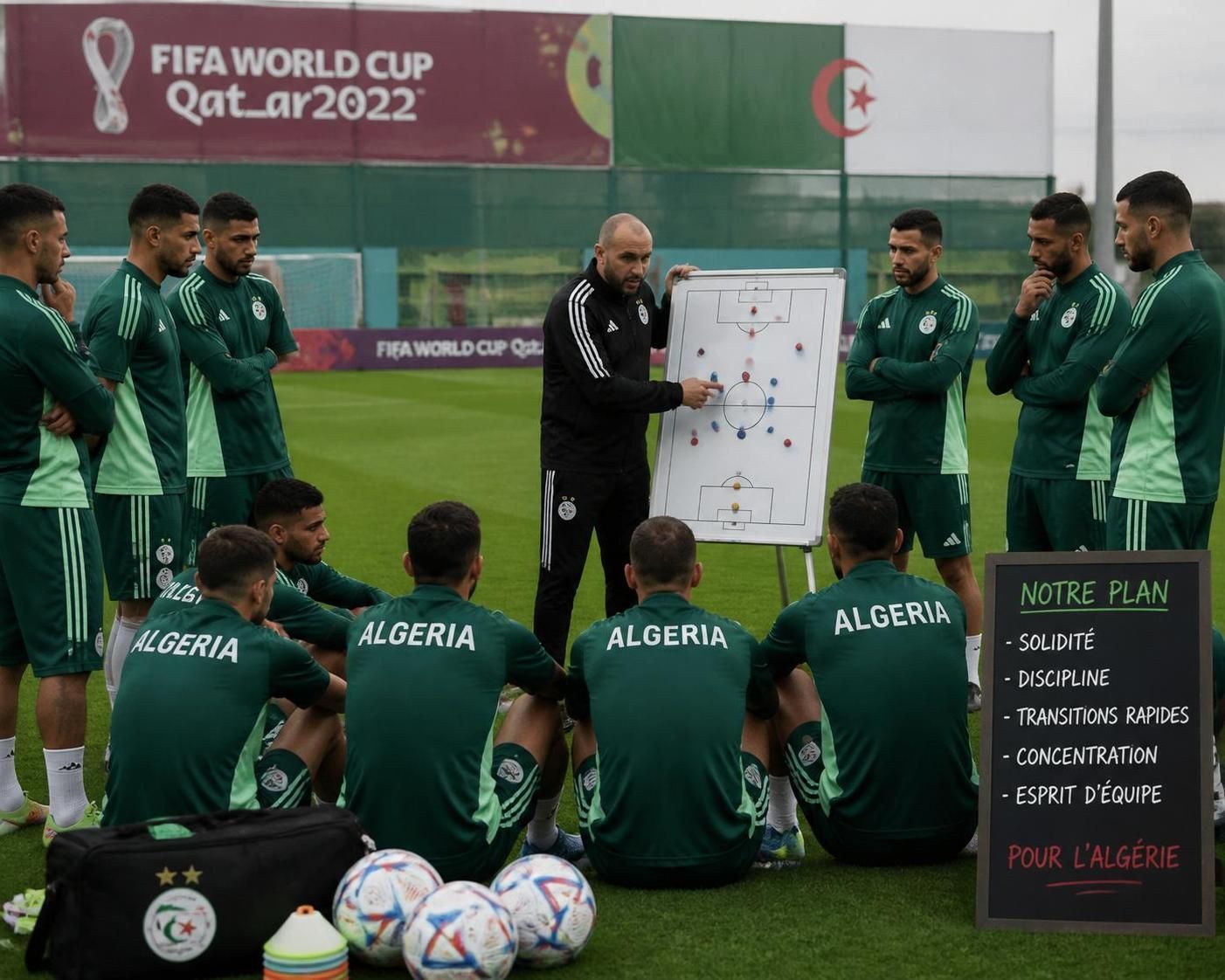
Petković’s challenge is to balance youthful energy, experience, and psychological resilience, crucial in high-stakes football combat. His strategic plans, although not fully disclosed, must now carefully integrate these elements or risk the team’s World Cup dreams falling apart. With the eyes of an entire nation 🔥 fixed on every decision, every save, and every misstep, the pressure truly is on.
Moreover, the evolving tactics within Algeria’s squad reflect a larger story brewing at the 2026 World Cup. The stakes for a country eager to reclaim football glory are monumental, and coaching decisions at the goalkeeper level exemplify how high-level sports involves chess-like strategic planning off the pitch just as much as thrilling action on it.
Potential Lineup Changes: What’s Next for Algeria?
Reports suggest three clear options are on the table: reinstating Luca Zidane, sticking with Benbout despite criticism, or betting on Melvin Mastel, a 23-year-old keeper with limited international exposure who currently plays in Switzerland’s second division. Each choice carries distinct risks — loyalty vs reliability, experience vs freshness — and each will significantly influence both match dynamics and team morale.
Ultimately, Petković’s goalkeeper decision will be a defining moment in Algeria’s World Cup journey, with the controversy around Zidane only highlighting the high-wire act of elite sports leadership. If Algeria hopes to advance deeper, it must find a way to resolve its internal debates without fracturing the unity essential to surviving the unforgiving knockout stages.
For more insight into how football stories like Algeria’s impact the larger scope of international competitions and related sports narratives, check out this analysis on shifting narratives in football
AI forecasts a grim outcome for Iraq against France but the revelation shifts the narrative.