
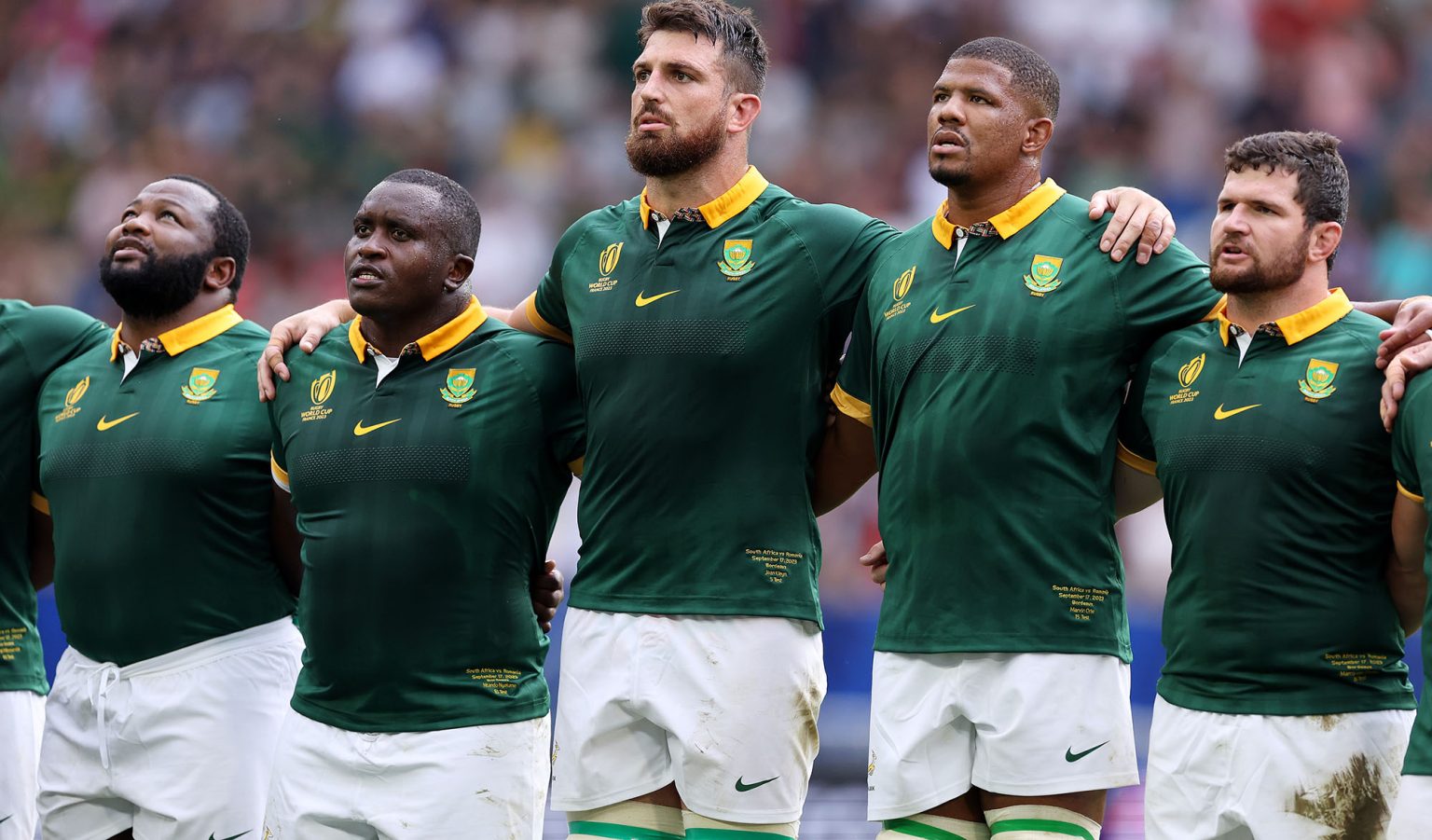
South African rugby finds itself under a troubling spotlight as an English investigation reveals a drastic decline in anti-doping tests across the past decade — precisely when the Springboks have clinched multiple international titles. From a high of 785 tests in 2015 performed by the South African Institute for Drug-Free Sport (SAIDS) to just 127 in 2024, this more than sixfold reduction contrasts sharply with rising doping violations among players. Over the same period, South African rugby has recorded 89 doping cases, representing nearly 20% of all global rugby doping infractions. Such numbers fuel suspicions about the integrity of performance enhancing drugs control within one of the sport’s most celebrated nations.
Compounding these concerns are notable suspensions of prominent Springbok stars, as well as procedural scrutiny of others under doping investigations. The fall in tests raises questions about the impact of the suspended anti-doping laboratory in Bloemfontein — South Africa’s only World Anti-Doping Agency (WADA)-accredited lab — which halted operations in March 2024 due to failure in meeting required standards. Despite SAIDS efforts to outsource sample analysis internationally, costs and limited government funding curtail the scope and frequency of controls. Meanwhile, testing volumes in countries like England have increased by around 25% during the same period, highlighting a growing discrepancy in anti-doping vigilance at the heart of global rugby.
South Africa’s Rugby Drug Testing Decline Raises Alarm Bells for Sports Integrity
The dramatic downturn of drug testing among rugby players in South Africa is a glaring anomaly amid the nation’s era of rugby dominance. With testing reduction staggering from 785 assessments in 2015 to a mere 127 in 2024, this fade in surveillance coincides suspiciously with the Springboks’ back-to-back Rugby World Cup triumphs. Critics argue that this drop severely undermines athlete compliance monitoring and threatens the credibility of South African rugby at large.
The fallout from this trend extends beyond mere statistics. Despite the reduced testing, South Africa maintains a notably high tally of positive doping cases, including the lengthy suspensions of past World Cup champions like Elton Jantjies and S’busiso Nkosi in 2024. Both athletes were sidelined for multiple years due to violations linked to prohibited substances. Additionally, current prop Asenathi Ntlabakanye is embroiled in an ongoing disciplinary process following an abnormal test result during last summer’s Rugby Championship. While the player maintains his innocence—claiming usage solely for rapid weight loss rather than performance enhancement—the incident amplifies the shadow cast over South Africa’s anti-doping efforts.

The Implications of Testing Challenges and Laboratory Suspension
One of the main elements behind the testing slump is the multiple suspensions of South Africa’s only WADA-accredited anti-doping laboratory in Bloemfontein. Since 2016, this facility has repeatedly failed to meet international standards, with its latest suspension occurring in March 2024. SAIDS CEO Khalid Galant highlights this laboratory issue as a critical factor forcing the redirection of sample testing to foreign labs in Doha and Ghent, incurring significant additional expenses.
This logistical bottleneck, combined with insufficient increases in government funding, hampers SAIDS’ ability to maintain robust drug testing protocols. The South African Rugby Union’s financial support, capped at roughly €7,950 annually, falls far short when juxtaposed with soaring external testing costs. Despite these hurdles, World Rugby assures the public that regular testing of South African athletes continues during major tournaments and club competitions abroad, especially in Europe and the Rugby Championship’s international windows.
Springboks Under Scrutiny: Assessing the Impact of Reduced Anti-Doping Oversight
The stark contrast between South Africa’s dwindling domestic anti-doping activity and England’s expanding program is disconcerting for global rugby enthusiasts. While England boosted its tests by about 25% over recent years—from 998 to 1,241—South Africa’s decline not only signals possible gaps in doping control but also threatens the sport’s reputation for fairness. The testing reduction emerges as a particularly pressing issue given South Africa’s historic ranking as a nation with the highest number of convicted rugby dopers worldwide.
This trend jeopardizes public confidence in the legitimacy of South African rugby achievements. The combination of fewer tests and a consistent rate of doping positives could foster an environment less vigilant than other top rugby nations. In a sporting world increasingly committed to sports integrity, questions linger: can South African rugby reconcile its glorious on-field triumphs with a seemingly compromised approach to anti-doping enforcement?
For fans and stakeholders alike, the ongoing saga serves as a crucial reminder that commitment to athlete compliance and rigorous drug testing are essential not only for level playing fields but also for preserving rugby’s global honor and trust.