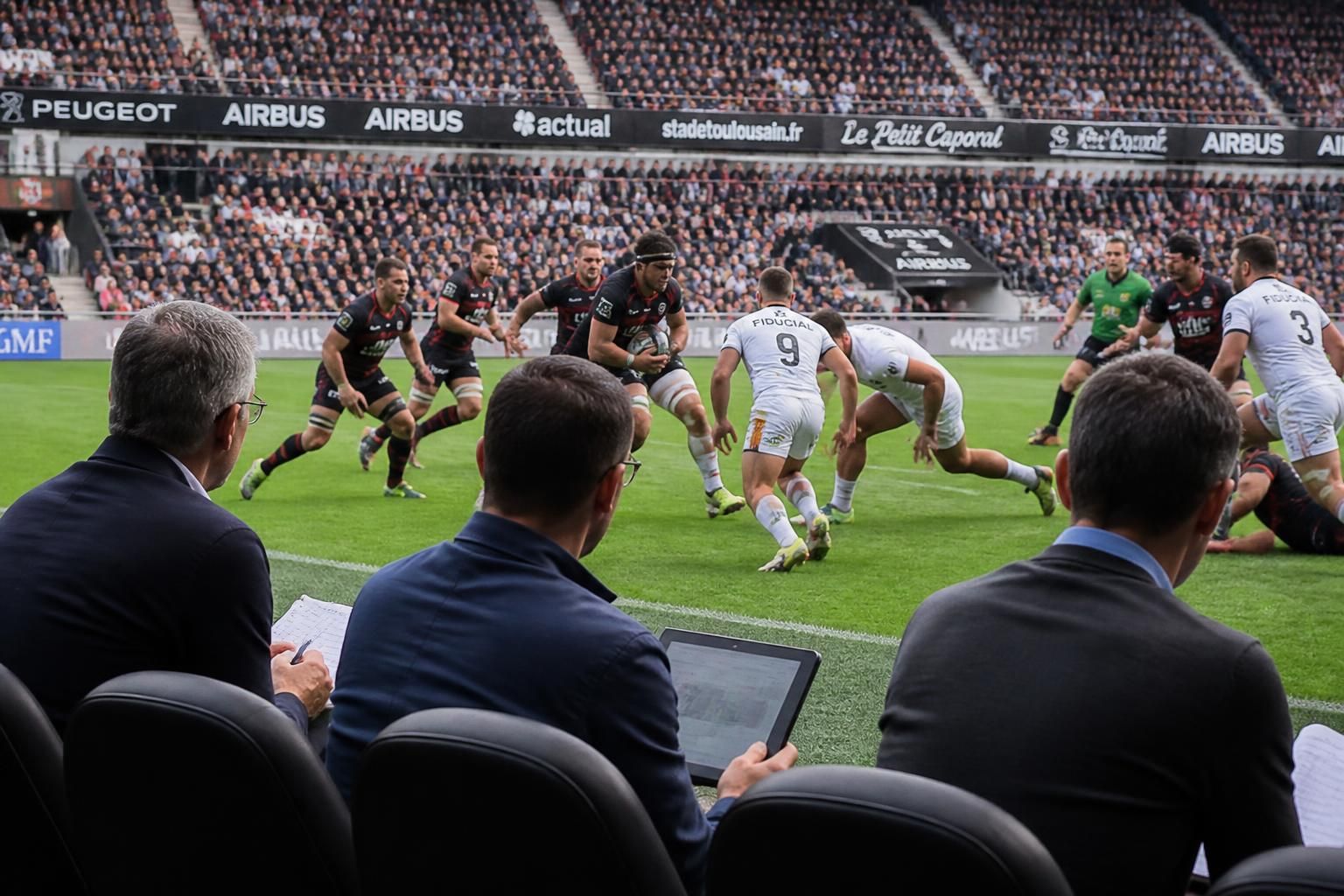
France’s rugby squad is gearing up for the upcoming championship kickoff by closely monitoring the Top 14 finalists to strengthen their lineup. With the intense season ahead, the national team’s management is focusing on integrating standout performers from the domestic league’s best teams, ensuring they have a blend of experience and fresh talent ready for international competition. This approach comes as the Top 14 final weekend promises to deliver decisive glimpses of form and fitness that will influence final player selections. Key players from Montpellier and Toulouse are expected to join the roster post-final, reflecting the strategy to keep options open until last performances can be evaluated under high stakes.
The season’s dynamic and the Nations Championship opener against New Zealand have shaped France’s selection process. The squad, trimmed to 33 players initially, will likely expand to accommodate those excelling in the Top 14 final showdown. This method highlights a pragmatic and critical evaluation of player readiness rather than a fixed pre-season group, underlining the coaching staff’s commitment to assembling the most competitive squad possible. The absence of certain established stars due to injuries or rest policies has opened doors for emerging talents to secure spots, adding healthy competition within the team. Such a selection strategy reflects broader trends in rugby, emphasizing adaptability and performance-based picks ahead of major tournaments.
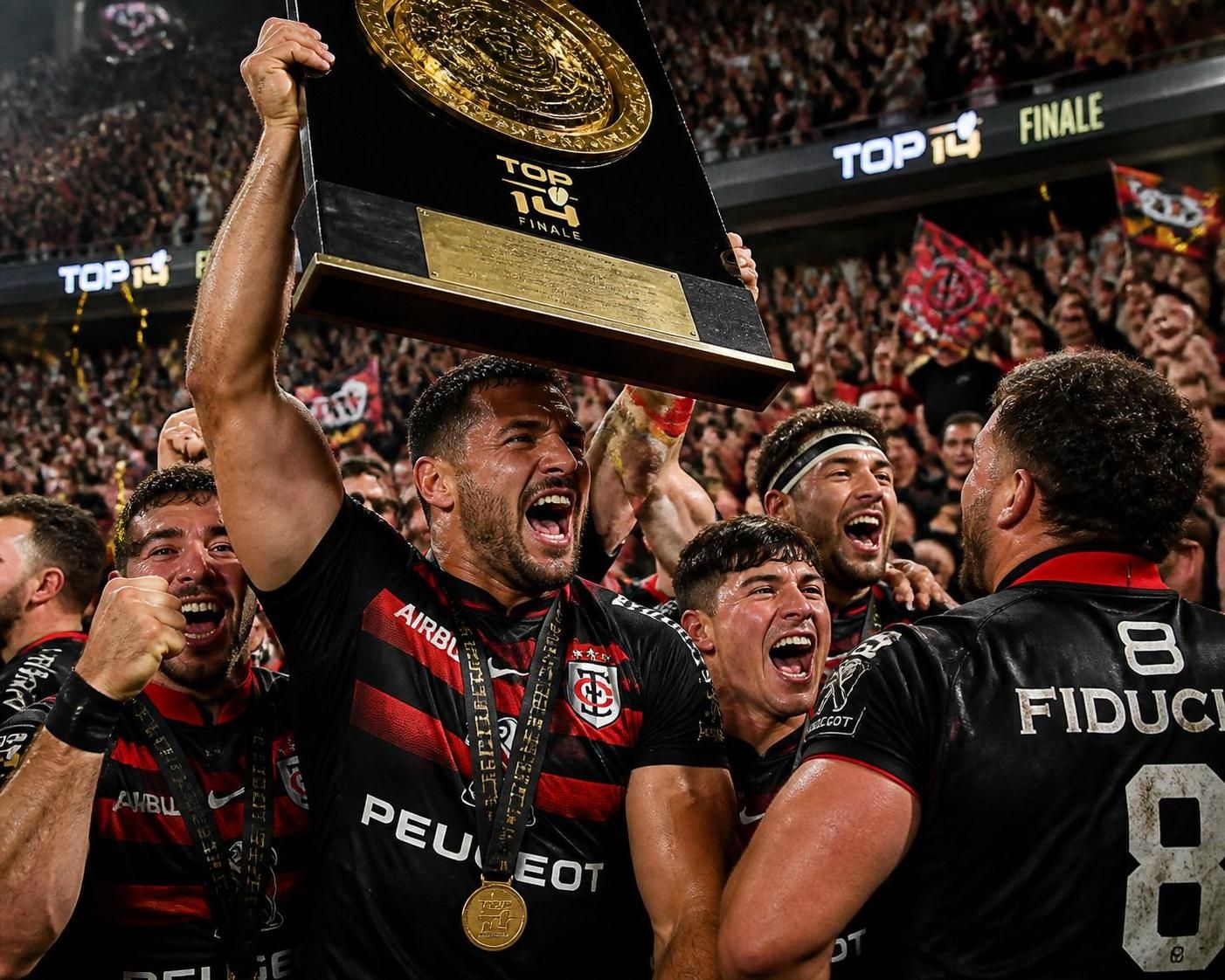
Why France’s Strategy of Recruiting Top 14 Finalists Could Shape the Championship
This season, France’s rugby squad is intensifying its scouting and recruitment efforts, focusing heavily on players from the Top 14 finalists. The rationale is clear: players who perform under the pressure of playoffs and finals are most likely to withstand the rigor of championship battles. Fabien Galthié’s approach underlines the importance of current form over reputation alone, a departure from traditional selections that often leaned on established veterans regardless of recent performance. This strategic pivot aims to bolster the team’s depth and versatility, key in a tightly packed international calendar. It’s a candid acknowledgment that fresh blood from the league’s highest level is critical to maintain France’s competitive edge.
Montpellier and Toulouse, both finalists heading into the season’s climax, have produced several candidates for national duties. Their style of play and tactical acumen match the national team’s demands, providing a smoother transition for players moving to international tests. Moreover, the decision to delay full squad announcement until after the Top 14 final underlines a careful balance between club commitments and national responsibilities, which has sometimes been a point of tension in French rugby. This patient, results-led policy indicates an evolving mindset, aiming to maximize performance rather than rushing to early team announcements without enough data.
Significance of Player Fitness and Timing in Selection
Choosing players fresh off high-intensity competition like the Top 14 final ensures optimal fitness levels and mental sharpness, crucial factors heading into international matches. It’s far more effective than side-lining players early or selecting on past achievements alone. This focus on timing, critical in physical sports like rugby, could reduce injury risks for the national side by identifying those already in peak condition. It also allows the staff to spot recent improvements or slumps in form, which can often make or break championship performance. Ensuring the squad is battle-tested and cohesive before the opening kickoff is a calculated measure aimed at securing victories in a highly competitive international landscape.
How Top 14 Finalists’ Integration Reflects Broader Rugby Trends in 2026
The integration of top domestic league finalists into national squads mirrors a broader trend seen across rugby nations. The emphasis on meritocratic selection and real-time performance evaluation has turned traditional team selection on its head. Players demonstrating outstanding form in crucial matches gain immediate rewards, while those underperforming face stiff competition for their places. This approach aligns with the professionalization wave sweeping rugby, where scientific data, player welfare, and tactical adaptability coexist with on-field performance standards. France’s move to leverage the Top 14 final as a proving ground exemplifies this paradigm shift.
It’s worth noting the squad’s makeup reflects an ongoing balancing act—while some veterans remain indispensable, new talents introduced from league finalists inject fresh energy and tactical diversity. This well-rounded approach is especially pertinent for a championship season demanding versatility and depth. Additionally, by waiting for the season’s high-stakes matches before locking in selections, the team maximizes its tactical options, something other rugby federations also seem to be adopting. For fans, this means the final roster is both an exciting and strategic revelation, combining proven leaders with rising stars. More insights on the evolving selection approach can be found at rugby champions UBB Leinster.
This evolving selection process for the France rugby team, focusing on Top 14 finalists, highlights more than just squad assembly. It signals a broader cultural shift within French rugby toward a more fluid, responsive, and performance-driven approach. This will likely influence how other rugby events and seasons unfold, providing a fascinating lens on the sport’s development trajectory heading into 2026 and beyond.