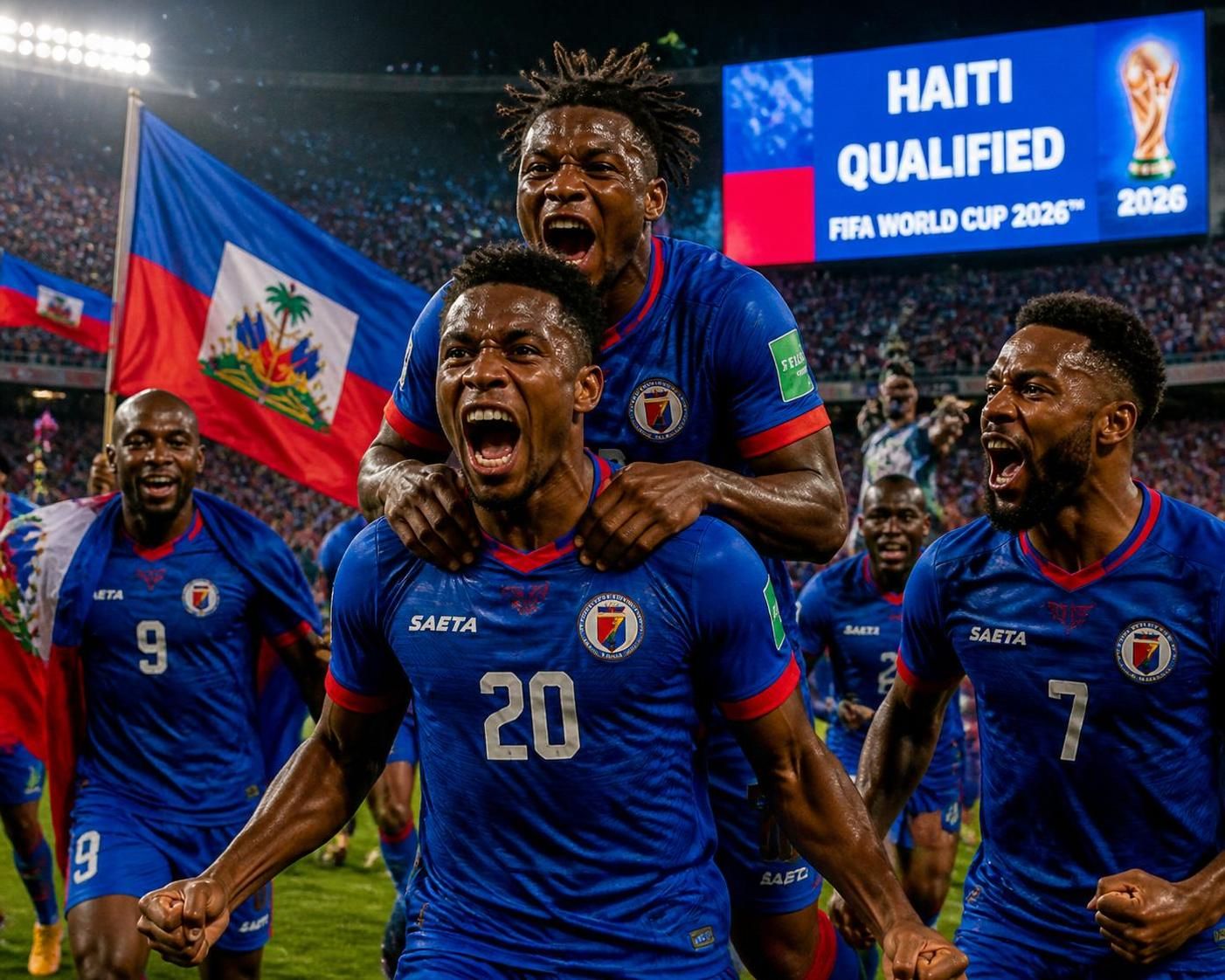
Haiti is back on the World Cup stage after a 52-year hiatus – a real feel-good story in this 2026 tournament buzzing with giants. Dropped into the ruthless Group C alongside powerhouses Brazil, Morocco, and Scotland, the Haiti national team faces a daunting challenge. But don’t underestimate the Grenadiers’ hunger and tactical hunger. Coached by the sharp-minded Sebastien Migné, Haiti’s squad and formations deliver a raw, direct style of play designed to punch above their weight on soccer’s grandest platform.
After a grueling CONCACAF qualifying run, battling sweltering heat, long travels, and fierce atmospheres, Haiti clinched their spot, showing resilience worthy of headline news. In 1974, their only prior World Cup appearance ended in the group stage – this time, the objective seems pragmatic: secure competitive losses while aiming for an impressive goal difference to snag that coveted third-place slot and possibly sneak into the Round of 32. With an aggressive 4-4-2 formation focused on pressing triggers, diagonal switches, and set-piece mastery against technically superior foes, Haiti is all set to craft a unique and gritty narrative for the 2026 World Cup.
Haiti World Cup 2026 Squad: Key Players and Tactical Formations
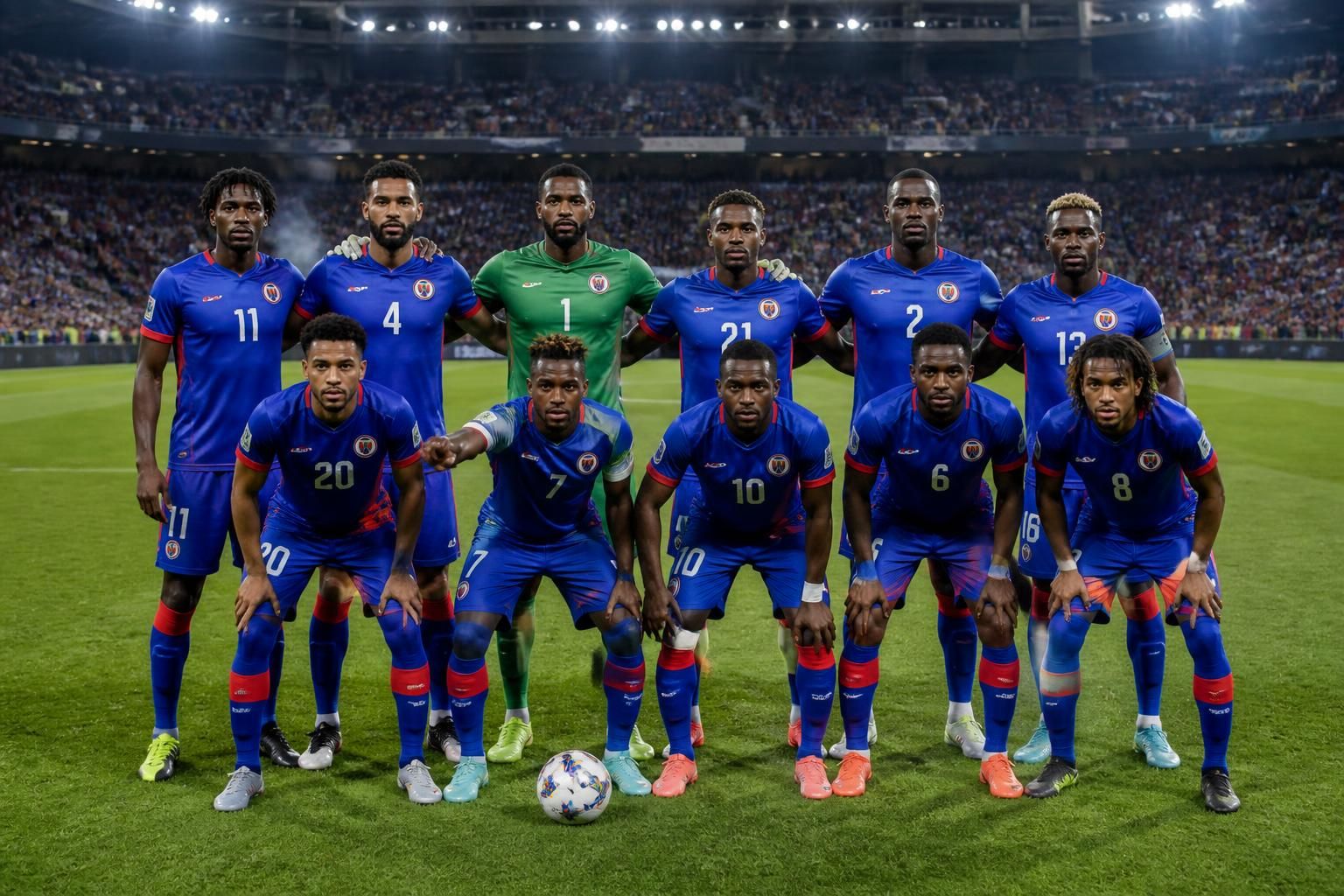
Let’s break down this World Cup roster that’s stirring up attention for its blend of diaspora talent and tactical discipline. The full squad was finalized on June 3, 2026, featuring a tight-knit 26-man group led by veteran goalkeeper and captain Johny Placide from SC Bastia (FRA). This squad is mostly drawn from European and North American clubs, highlighting Haiti’s reliance on players with international experience to hold the fort.
The backbone of Migné’s approach is the 4-4-2 formation—simple, direct, and effective in defense and attack transitions. Haiti’s defensive unit combines grit and pace with players like Stephane Arcus and Kévin Lafleur (explore the full lineup here), ensuring that their backline can deal with the onslaught from the likes of Brazil’s forwards or Morocco’s midfield maestros. Up front, strikers like Junior Etienne Jr (Toronto FC) and Nazon from Esteghlal Tehran aim to exploit counter-attacks and set pieces—key weapons in anyone’s World Cup toolbox when facing higher-ranked teams.
Direct and Aggressive: The Tactical Blueprint of Haiti’s Coach
Sebastien Migné’s tactical identity is crystal clear: a fast-paced pressing style combined with disciplined defensive shape. Haiti leans heavily on a double pivot midfield to clog passing lanes while forcing turnovers. Once they regain possession, the squad uses long diagonal passes to quickly switch play and catch opponents off guard. This tactical gamble, especially against technically superior teams like Brazil or Morocco, aims to frustrate and snatch crucial moments of opportunity.
Set pieces are another pillar of Haiti’s strategy. With a compact team not favored to dominate possession, corner kicks and free kicks are golden chances for the Grenadiers to make their mark. Players like Joseph from Ferencvárosi TC add aerial threat that can swing a game’s momentum.
Group C Challenge: Brazil, Morocco, Scotland Await Haiti’s Return
The road through Group C will be a trial by fire. Facing the five-time champions Brazil, the tactically astute Morocco, and a resilient Scotland squad, Haiti’s aim is nothing short of survival and respect. Realistically, the team targets competitive matches, focusing on limiting goal damage while hunting for that crucial third-place finish that could lead to the knockout stages.
Fans hungry for more details on how the other teams line up can check out detailed previews of the Brazil vs Haiti matchup, or the fierce competition Haiti faces across the group by visiting the full 2026 World Cup Group C breakdown. These resources give a wider perspective on the tactical and player battles that await.
What To Watch For
Keep an eye on a few key players who will define Haiti’s tournament. Johny Placide’s experience will be crucial behind a sometimes-exposed defense. On the attack, Etienne Jr and Nazon must seize their chances, capitalizing on moments created by a hardworking midfield including Wolverhampton’s Bellegarde and Philadelphia’s Jean Jacques. The chemistry forged during the tough CONCACAF qualification could just be enough for these underdogs to surprise a few pundits.