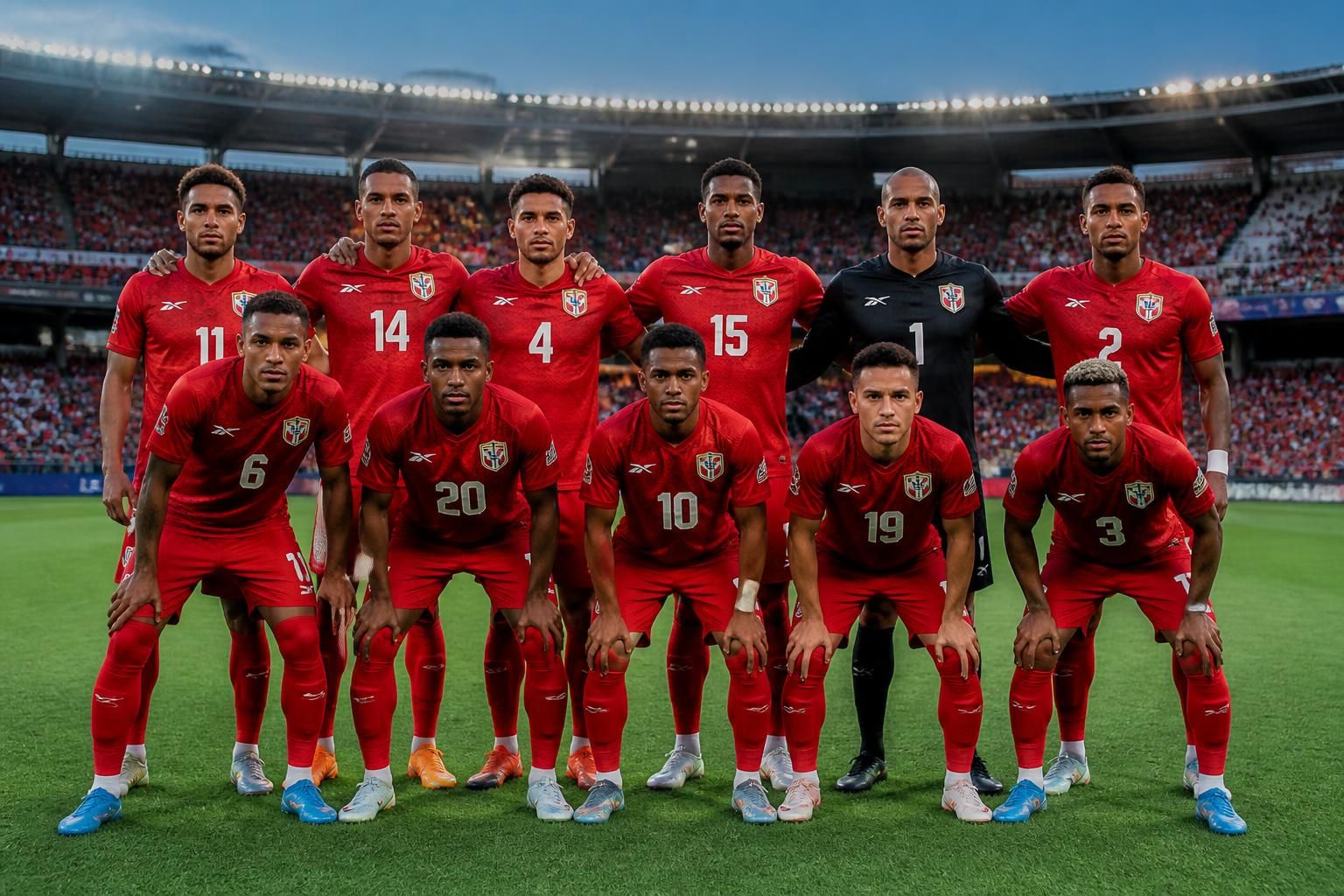
Panama’s team lineup for the 2026 World Cup is turning heads, but not necessarily for reasons that scream “giant killer.” As they gear up to face powerhouses like England and Croatia in Group L, Los Canaleros bring a squad that’s reliable but not spectacular, seasoned yet somewhat aging, and tactically disciplined but lacking the flair to dazzle. Ranked 33rd in the world, Panama is stepping onto the biggest stage with a fairly pragmatic strategy that banks on their collective organization and moments of sharp efficiency rather than individual brilliance. Their journey from gasping qualifiers to holding their own on the world stage reflects a team with grit, but questions remain: can an average age of nearly 30 and a modest market value beneath $20 million compete at the highest level? The spotlight shines on key veterans like captain Aníbal Godoy and comeback hero Alberto Quintero, whose presence adds an emotional layer to a squad crafted more for solidity than flash.
Brief rundown 🚨:
- 🥅 Panama’s starting XI averages 29.4 years, emphasizing experience over youth.
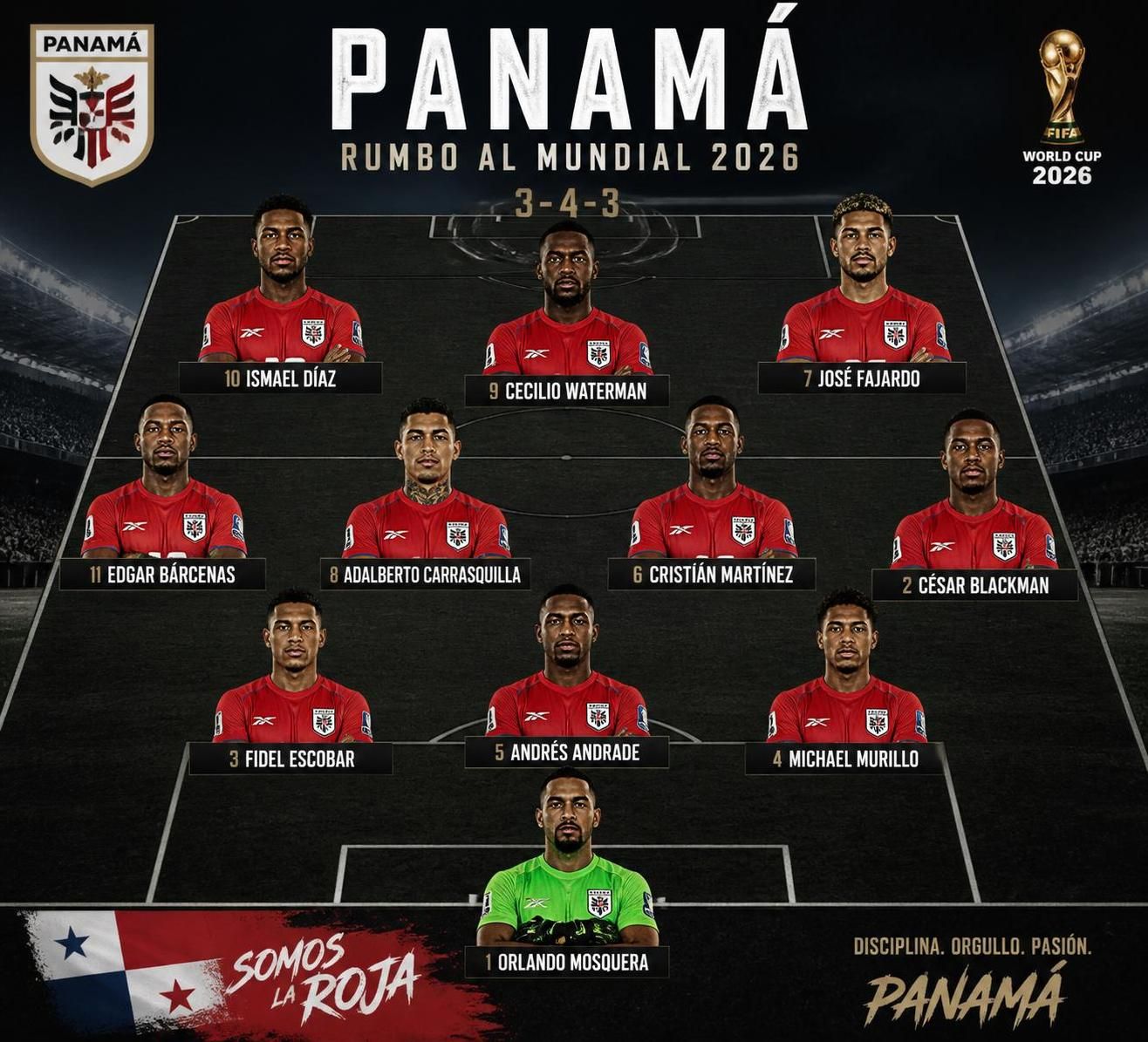
- ⚽ The squad is shaped around a 3-4-3 system, leaning heavily on wingbacks for width and counterattacks.
- 🎯 Aníbal Godoy holds the midfield’s defensive anchor role with a record 157 caps.
- 🔥 The comeback story of 38-year-old Alberto Quintero adds veteran savvy and emotional weight.
- 🌎 Panama faces tough Group L foes: England, Croatia, and Ghana.
- 💪 Coach Thomas Christiansen leans heavily into physical pressing and sharp counterattacks.
Panama’s World Cup 2026 lineup: tactical discipline meets veteran leadership
The professional crunch for Panama in this World Cup is less about star players lighting up the pitch and more about a well-oiled machine that resists pressure and seizes opportunities. The backbone is a sturdy 3-4-3 formation that prioritizes wingbacks like Amir Murillo to provide width and pace. It’s a tactical nod to how Panama’s coach, Thomas Christiansen from Spain, wants to squeeze every ounce of output from his squad.
Behind Mosquera in goal, the defense comprises a diverse crop from clubs as far afield as Beşiktaş and Norwich City, blending South American tenacity with European rigor. It’s a polished but unflashy backline, the kind designed to frustrate rather than thrill. Meanwhile, midfield dynamo Godoy orchestrates the pressing game and counters, supported by creative and combative players like Adalberto Carrasquilla and Carlos Harvey. The attack wings a mix of experience and emerging talent, with José Fajardo and Ismael Díaz looking to capitalize on rare chances. The strategy isn’t about volume of goals but timing and precision.
Veteran players anchoring Panama’s World Cup hopes
Aníbal Godoy is the undeniable heart of the team – a defensive midfielder whose 157 caps set a national record. His role as the midfield pivot is crucial in Christiansen’s physically demanding system. Godoy is the organizer, the man who ensures Panama stays compact, presses aggressively, and transforms defense into attack quickly. If Panama is to disrupt any favorite in Group L, his performance will be central.
Then there is Alberto Quintero, the emotional comeback story. At 38, after missing the 2018 World Cup through injury, his late career renaissance has injected experience and a clutch mentality. Quintero might not start every game, but his ability to change matches from the bench is a potent weapon in tight contests.
Facing giants: Panama’s daunting Group L challenge
Drawn alongside titans like England and Croatia, plus Ghana—a team with its own bitter World Cup pedigree—Panama’s task feels Sisyphean. England, ranked 4th globally, is a juggernaut laden with individual stars and tactical depth. Croatia, the 2018 runners-up, bring seasoned campaigners and a formidable midfield. Ghana, ranked 72nd but savage in their physicality, will be no pushovers either.
Panama enters as an underdog with, realistically, a single crucial target: beating Ghana on June 17 to keep hopes alive. With the tournament allowing eight third-placed teams to reach the Round of 32, one well-timed victory and a disciplined approach might just write Panama’s name into the tournament’s history books. Their lack of prior competitive matches against these national squads adds to the uncertainty and suspense.
World Cup preparation: From qualifiers to global stage
Panama’s path to this World Cup was textbook CONCACAF resilience. Despite a shaky start in the final qualifying round—drawing two difficult games—they hit form just when it mattered. Striker José Fajardo was pivotal, scoring decisive goals on the road that helped secure their top spot in Group A. The 26-man roster combines players from 23 clubs worldwide, marking a diverse scouting network but also showcasing a team that is more about balance than flashy star power.
Coach Christiansen’s experience managing clubs in Cyprus, England, Belgium, and now Panama, influences his pragmatic and disciplined style. His preferred formations pivot around a solid defensive block with quick transitions. For Panama, the goal is clear: while they might not threaten England’s star-studded lineup or Croatia’s depth, carving out a historic win will rely on tactical discipline, physical pressing, and making the most of squad depth. Whether this strategy pays off will be one of the 2026 World Cup’s intriguing storylines.