Qatar steps into the 2026 World Cup arena with a reputation that’s been meticulously crafted since their debut as hosts in 2022. No longer just the tournament’s cultural ambassadors, they’ve pushed hard to evolve into one of Asia’s most tactically disciplined squads. Their team lineup is a blend of seasoned veterans and dynamic young talents, forged through years of development in their national programs. The key players like Akram Afif and Almoez Ali carry both the weight of expectation and the spark needed to break down defenses. Predictions for Qatar’s campaign reflect a team that prizes ball possession and structured attacking patterns, but beware — their sharp organization and midfield control might surprise some observers, especially in a challenging group featuring Canada, Switzerland, and Bosnia and Herzegovina.
- 📌 Qatar’s disciplined tactical approach is shaping their identity as a modern national soccer team.
- 🎯 Core players such as Hassan Al-Haydos and Akram Afif bring technical flair and leadership.
- ⚽ The roster highlights a strategic blend of midfield control, quick attacking transitions, and solid defense.
- 🌍 Qualified by topping their AFC group, Qatar aims to build on their 2022 World Cup experience.
- 📅 Key matches in Group B will test their consistency and capacity to advance beyond the group stage.
Qatar’s Tactical DNA and Key Player Roles for the 2026 World Cup
Since hosting the 2022 World Cup, Qatar hasn’t just rested on its laurels. The national team remains a flagship example in Asia for structured, possession-based football with a disciplined defensive shape. Their typical formations—either a 3-5-2 or 4-3-3—emphasize flexibility and adaptability based on the tactical demands of each match. The midfield acts as the team’s engine room, prioritizing short passes and positional discipline to steer the tempo.
Akram Afif, the creative winger and two-time AFC Player of the Year, is Qatar’s primary threat on offense, renowned for his dribbling and ability to carve out chances. Alongside him, striker Almoez Ali’s clinical finishing and intelligent movement inside the box make him the squad’s leading goal scorer. Defensively, Bassam Al-Rawi brings composure and leadership at the back, supported by dependable full-backs like Abdelkarim Hassan and Pedro Miguel. Goalkeeper Saad Al-Sheeb offers experience and reliability, having been a steady presence in key international tournaments.
2026 World Cup Group B: Tough Tests and Tactical Challenges
Qatar’s group stage schedule is no walk in the park, featuring games against Switzerland, Canada, and Bosnia and Herzegovina. Each opponent demands a specific tactical response: Switzerland brings European discipline, Canada offers physical intensity, and Bosnia showcases flair and unpredictability. Qatar’s best chance lies in maintaining their structured possession style while exploiting quick attacking combinations to destabilize opponents.
The opening match against Switzerland at San Francisco Bay Area Stadium could set the tone. Qatar’s ability to control midfield and limit Swiss central penetration will be critical. Their second game versus Canada tests their defensive resilience and midfield agility, while the final group clash against Bosnia at Seattle Stadium is expected to be a technical battle where Qatar’s structured approach will be pushed to the limit.
Projected 2026 Qatar World Cup Roster and Predictions
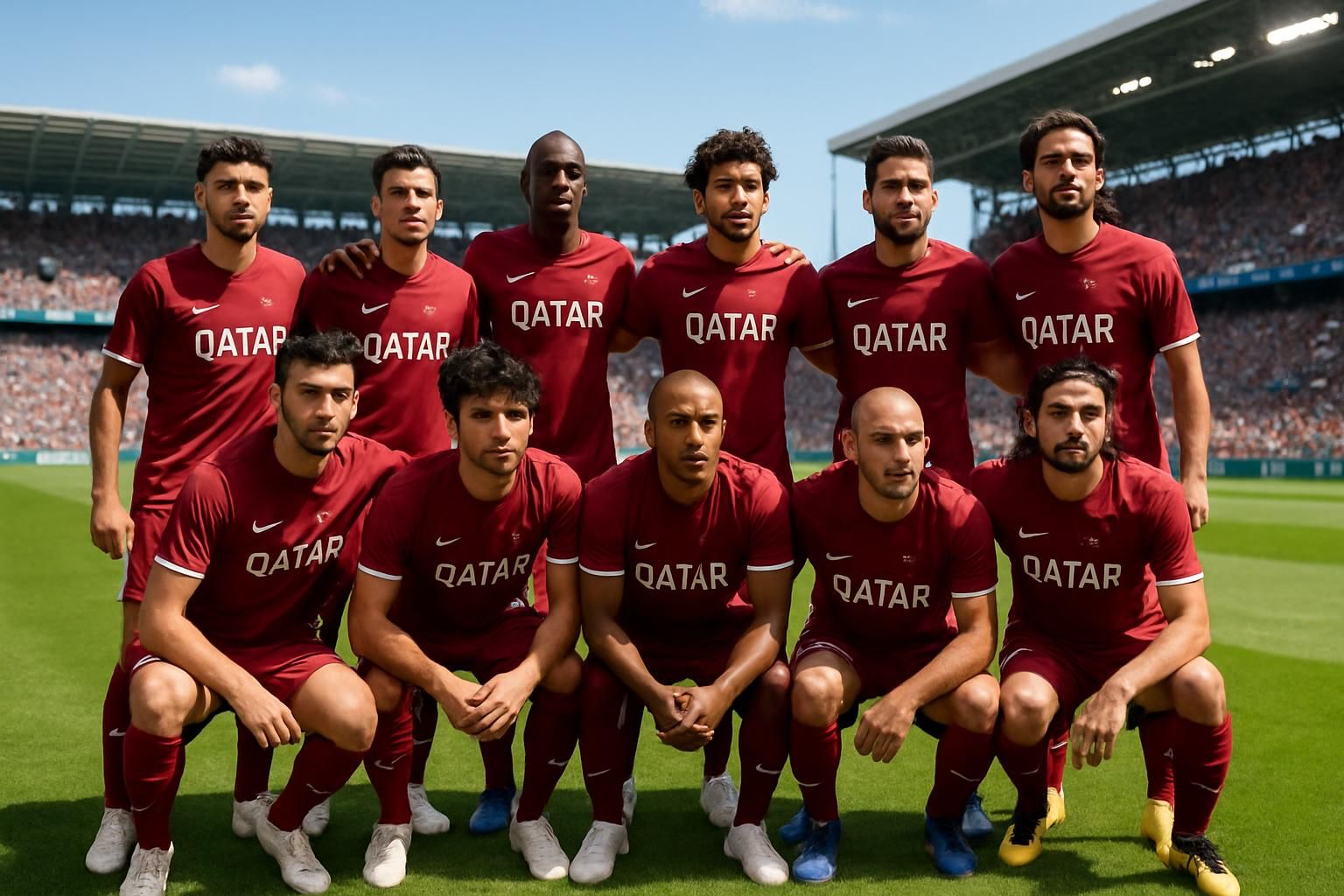
Qatar’s team lineup for the 2026 FIFA World Cup features a harmonious blend of experience and fresh talent across 26 players. The squad showcases depth in midfield and full-backs while banking heavily on the creative sparks of Afif and scoring prowess of Ali upfront.
While Qatar’s disciplined defensive shape and tactical cohesion are strengths, potential weaknesses lie in the physical edge against some top-tier adversaries and limited squad depth in high-intensity matches. Nevertheless, with the leadership of head coach Julen Lopetegui, a manager with a resume including spells at Spain and Real Madrid, the national team’s aspirations for advancing beyond the group stage feel realistic if consistency is maintained.
For those curious about detailed fixtures, the World Cup 2026 predictions and team lineups provide excellent context on how Qatar’s battle for continental supremacy might unfold. It’s clear that the Maroons, already boasting proud moments from the 2022 tournament and successive AFC Asian Cup triumphs, seek to prove their evolving football identity on the world stage once again.