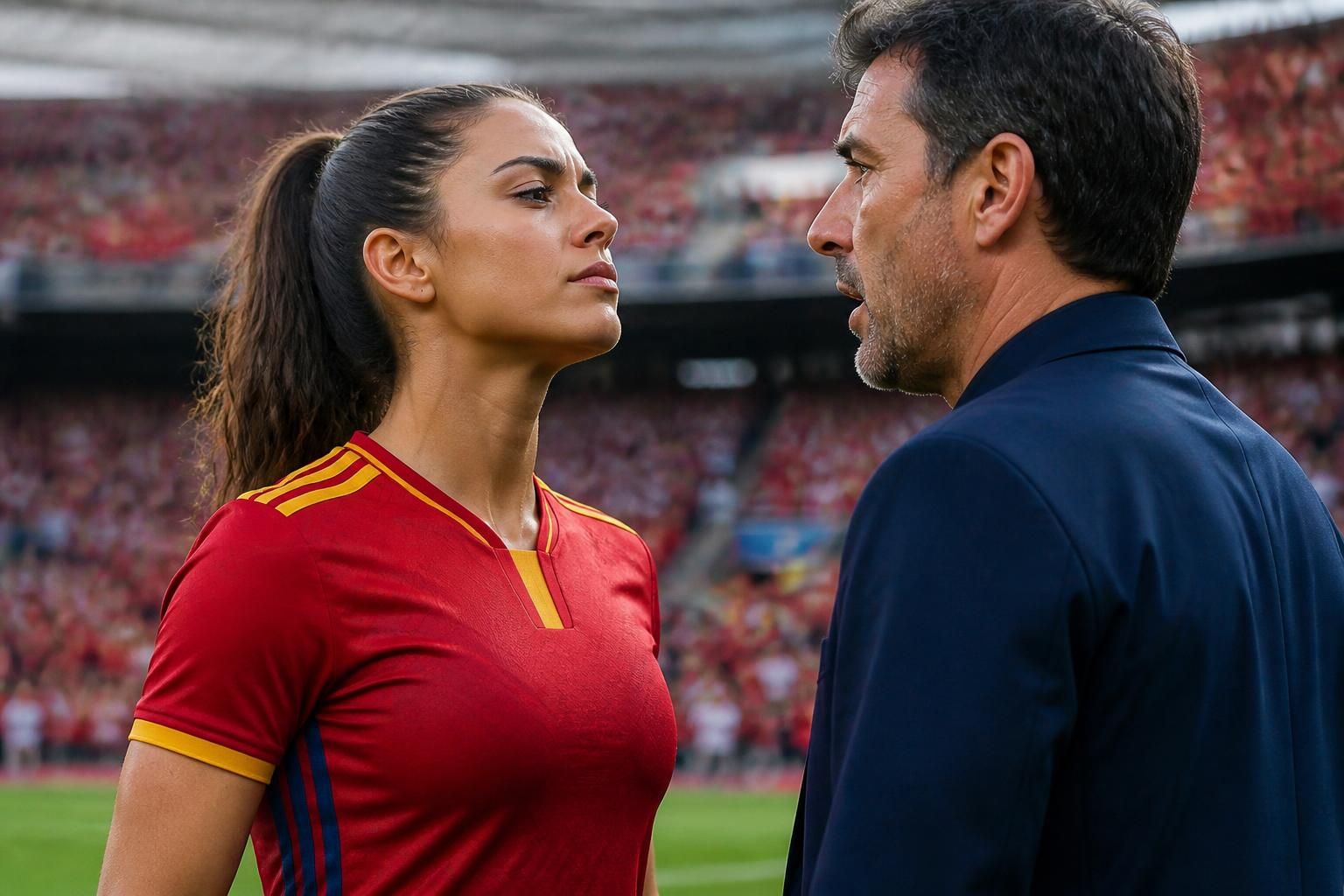
David Raya is not just warming the bench quietly ahead of the 2026 FIFA World Cup; no, he’s sending a bold message that’s rocking the dynamics within the Spanish national team’s rivalry for the goalkeeper spot. As Spain gears up for what promises to be a thrilling World Cup campaign, Raya, the Arsenal stalwart, has thrown down the gauntlet to coach Luis de la Fuente, openly declaring his intention to make the decision of who starts in goal an intense and genuine challenge. This isn’t just inside talk — it’s an all-out challenge fueled by confidence, motivation, and a fierce desire to help Spain succeed on the world’s biggest stage.
The atmosphere within the Spanish squad is buzzing with positivity, as Raya emphasized during the pre-tournament press conference. He openly praised his competitors on the roster, Unai Simón and Juan García, recognizing the exceptional level of sportsmanship and friendly competition that pushes each goalkeeper to grow. The setting is far from the usual locker room tension; here, mutual respect and drive create a unique energy that could be crucial in Spain’s quest for glory.
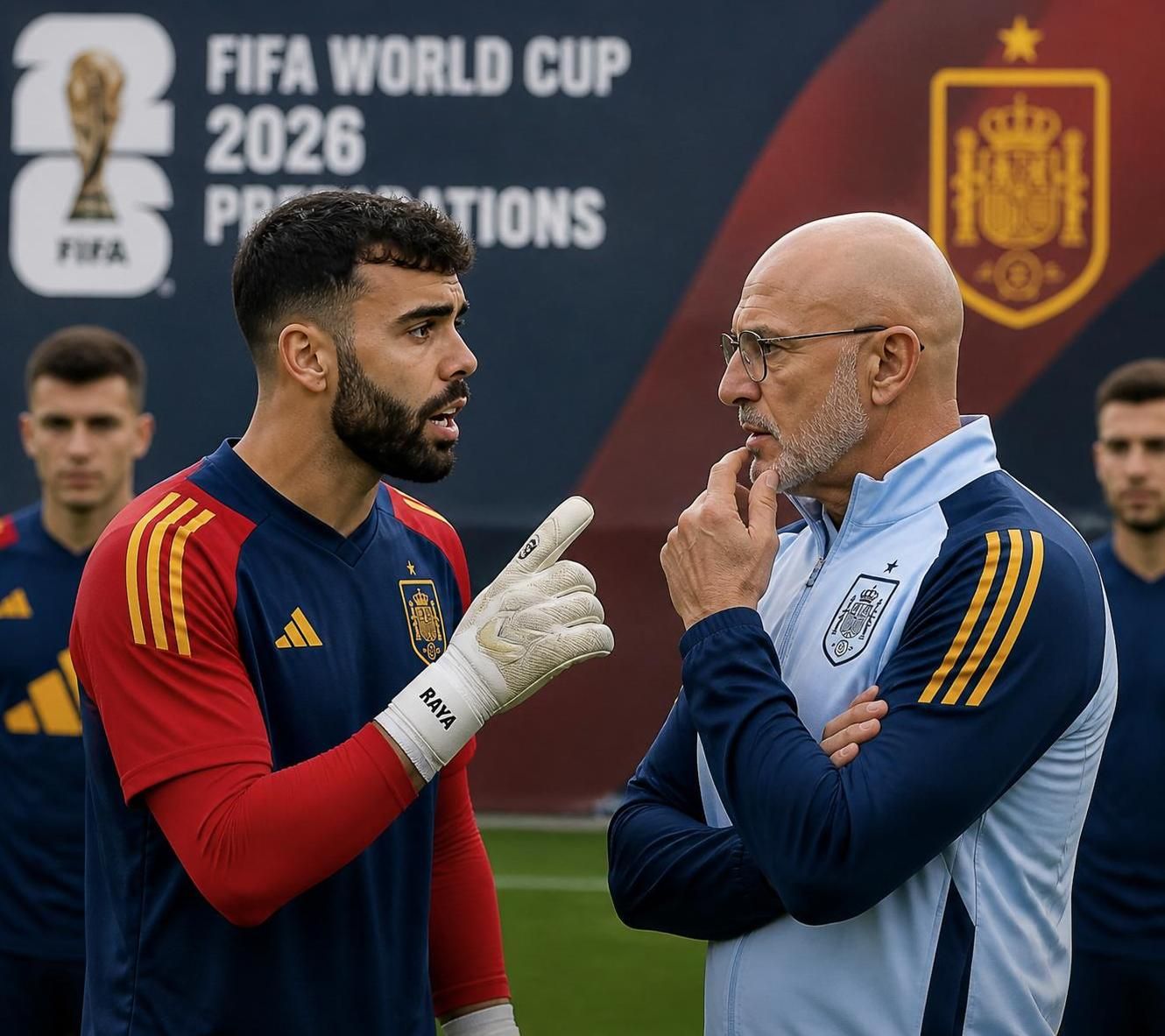
For those wondering whether Raya’s prolific Premier League experience overshadows the homegrown talents, he answered decisively, addressing any doubts about his commitment to Spain. Regardless of his roots with Arsenal, he feels deeply connected to his country and eager to wear the Spanish colors with pride. And while the debate around the starting position might be fodder for sports media, Raya aims to let his performance on the pitch do the talking, insisting his ambition is simple: “to make the life of our beloved Spanish coach a tough one when it comes to picking the goalkeeper.”
This rivalrous, confident vibe within Spain’s camp could be one of their strongest assets entering the tournament, proving that intense competition isn’t just drama—it’s motivation. This spirited battle for the post also reflects broader themes of preparation and innovation that define the 2026 World Cup, where every team is perfecting strategies and fueling passion to leave a lasting mark through their performance.
David Raya’s Bold Message to the Spanish Coach and Its Implications for World Cup 2026
At the heart of Spain’s squad drama lies an intriguing goalkeeper rivalry. David Raya, whose rising star in football has caught the world’s eye thanks to his Premier League exploits, openly challenges Spanish coach Luis de la Fuente. With a clear objective to complicate the decision on who will earn the starting spot for the opening match against Cape Verde, Raya isn’t just upping the stakes—he’s injecting much-needed intensity and competition into the national team’s preparations.
Raya’s comments reveal an evolved spirit of collaboration among the keepers. He highlighted his camaraderie with Juan García from FC Barcelona, emphasizing how their synergy enhances their collective performances and drives one another forward. His respect for Unai Simón, the current World Cup and European Championship hero, is sincere and grounded in the reality that sportsmanship and healthy competition breed excellence. This kind of internal push could be decisive in high-stakes tournaments where every save and decision counts.
Moreover, Raya’s attitude aligns perfectly with the modern ethos shaping football ahead of the 2026 edition: a tournament marked by tactical innovation and psychological resilience. Teams are no longer just about talent on paper—they’re about how players internally raise the bar, creating pressure that can simulate or surpass match conditions. Raya’s open message to the coach taps straight into this transformative approach, making Spain’s selection dilemma a storyline worth following.
Confidence and Rivalry in Build-Up to Spain’s First Match of World Cup 2026
As the countdown to Spain’s first fixture nears, Raya exudes unwavering confidence. The Arsenal keeper’s remarks suggest he’s fully focused on the upcoming clash, mindful of the importance of a strong start. Describing the game as “difficult,” he stressed the necessity of tuning the team’s mental and physical intensity right from the kickoff.
He made it clear that regardless of who is ultimately chosen to start, the meritocracy within the squad ensures that every player involved will contribute wholeheartedly. Such ambitious mindset, combined with palpable motivation, lifts the entire team’s spirits and sharpens their preparedness to face bigger footballing giants later in the competition.
Raya’s internal challenge to Simón and García is a story bubbling within the Spanish camp but resonates beyond. The goalkeeper competition is more than just a battle for who puts on the gloves first; it’s a microcosm of the sporting rivarly that defines elite football, blending fierce desire with respect. This dynamic also enriches the public narrative of the tournament, adding layers to how fans and analysts view Spain’s tactical setup and ambitions for the Cup.
The Broader Context: How Spain’s Goalkeeper Rivalry Reflects Trends in 2026 World Cup Preparations
Heading into 2026, the FIFA World Cup showcases more than just national pride—it highlights an era where psychological edge and team chemistry are as prized as physical skills. Spain’s goalie competition, highlighted by Raya’s upfront challenge, symbolizes this shift. Teams globally push their players to intensify internal competitions, to drive each individual to peak performance.
Beyond Spain, this trend aligns with the increasing pressure on coaches like Luis de la Fuente to integrate player motivation and healthy duel into their game plans. Such rivalries ultimately foster an environment where every player ready to start brings a heightened sense of responsibility and readiness. In tournaments with cutthroat edges, this often makes the vital difference between glory and early exit.
Of course, this narrative also fits into ongoing debates about management choices and player form, providing plenty of fodder for justifying or questioning coaches. Spain isn’t alone in wrestling with these issues, but their public management and openness lend a fascinating window into how modern football handles pressure internally while navigating the external spotlight.
For all those interested in the latest moves and breakthroughs in sports management that shape the World Cup landscape, don’t miss insights on related developments like the ambitious projects of RCS XV Hope Center or recent player signings such as Montauban signing Diallo that feed the broader football ecosystem.
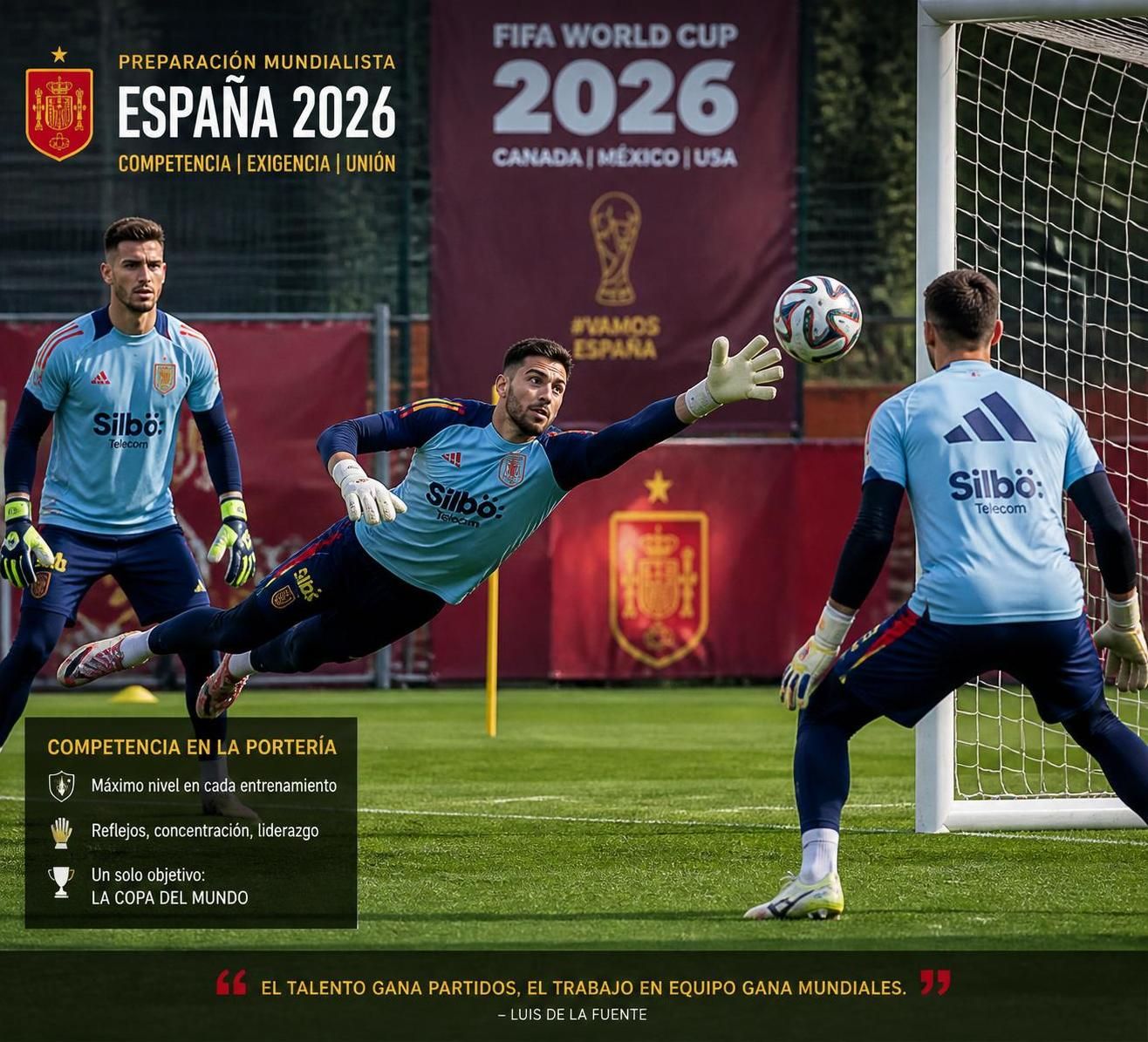
The Mental Game: Raya’s Motivation and Message for World Cup Glory
Raya’s declaration isn’t just words—it’s a clear manifestation of the underlying motivation driving Spain’s squad. Maintaining high standards means accepting and thriving in a competitive, high-pressure environment. His resolve to keep Spain’s coach wondering who to start epitomizes modern football’s demand for constant evolution and psychological toughness.
Such internal pressure does more than fuel individual performance; it inspires collective improvement, reminding everyone that every spot on the field comes with both privilege and responsibility. For a nation chasing a major title, these sparks of intensity and friendly rivalry can light the way forward.