
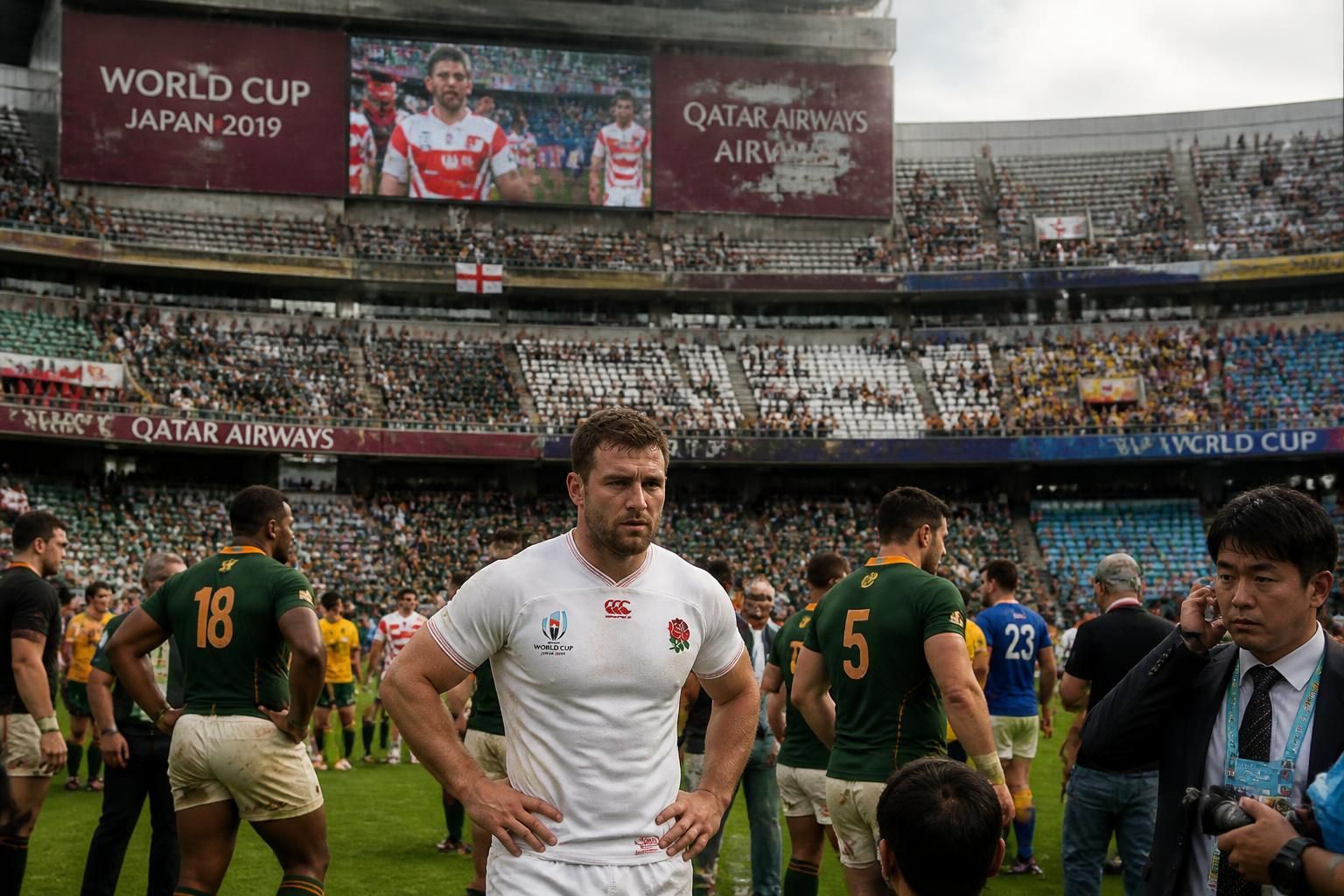
Rugby’s Nations Championship finds itself embroiled in upheaval as Qatar Airways, the tournament’s key sponsor, pulls back its support amid escalating geopolitical tensions and sports marketing controversies. This unexpected corporate withdrawal doesn’t just threaten the tournament’s financial backbone but also sends shockwaves through the global rugby community, raising significant concerns about the stability of event funding in times of international conflict.
Set to launch in mid-2026, the Nations Championship was poised to redefine international rugby by bringing together top-tier teams under a lucrative sponsorship from Qatar Airways, reportedly amounting to £80 million. However, the unpredictability of the Middle East’s political climate, particularly the ongoing conflict involving Iran, has triggered a standstill. The airline’s decision to pause its £80 million deal reflects broader apprehension stemming from regional instability, seriously jeopardizing the event’s future logistics and financial viability.
The ripple effects extend beyond the finances—players and fans alike feel the impact. Uncertainty around funding compromises athlete preparation and tournament marketing, while public relations teams scramble to manage the fallout of this high-profile controversy. The tension underscores the intricate relationship between geopolitics and sports marketing, revealing how fragile sponsorship arrangements can be when exposed to external crises.
As the rugby world watches closely, the fate of this biennial event hangs in the balance, illuminating the perils and pitfalls of heavy reliance on sponsorships from geopolitically sensitive regions. The implications are vast, affecting not only the sport’s ecosystem but also setting a precedent for future negotiations with Middle Eastern sponsors amidst global unrest.
Rugby Nations Championship Sponsorship Crisis: What’s Behind Qatar Airways’ Withdrawal?
The sudden halt in Qatar Airways’ sponsorship has raised eyebrows across the rugby sphere. A deal once celebrated as a testament to the sport’s growing global appeal has been thrown into doubt. Influenced heavily by ongoing military conflict in the Gulf — notably the war involving Iran — the airline has reassessed the viability of maintaining an £80 million commitment under such volatile circumstances.
This development signals a broader challenge for rugby administrators who must now navigate the uneasy waters of sports marketing where political instability can quickly unravel even the most substantial agreements. Persistent concerns about economic uncertainty caused by the Middle East conflict have stifled confidence among key stakeholders.
The decision also comes at a critical juncture as the inaugural finals for the Nations Championship were slated to alternate between London and Doha. The pulling out of Qatar Airways leaves the hosting arrangements suspect and forces organisers to seek alternative backers or rethink the entire event structure.
Consequences for Athletes and Fans Amid Funding Uncertainty
Players, caught in the crosshairs of this sponsorship debacle, face potential disruptions in preparation and competition quality. Without reliable event funding, teams might struggle with logistics and resources, directly impacting athlete performance. Fans, too, bear the brunt as the uncertainty affects ticket sales, broadcasting arrangements, and overall tournament ambiance.
This turbulence serves as a stark reminder that public relations crises in sports are no longer confined to the pitch but are intrinsically tied to broader global events. The ripple effects of Qatar Airways’ withdrawal encapsulate how the world of rugby is increasingly vulnerable to external forces beyond the game itself.
How Rugby’s Global Strategy Faces Tests from Geopolitical Volatility
Rugby’s ambitious efforts to tap into new markets, especially the Middle East, come with inherent risks. The situation with Qatar Airways highlights how entwined sport and geopolitics have become, revealing the fine line tournament organisers tread when courting major international sponsors. The lucrative yet precarious £80 million offer from Qatar’s state-owned airline was seen as a milestone in sports marketing, symbolising hope for sustainable, expansive rugby events.
Yet, with the war in the Gulf shaking the foundations of the sponsorship deal, questions arise on the sustainability of relying heavily on regions prone to conflict. This predicament pushes rugby stakeholders to reconsider their sponsorship models, emphasizing diversification and caution in aligning with entities from geopolitically unstable areas.
For those eager to delve deeper into the regional sports tensions affecting the game, insights can be found at this detailed exploration of rugby and Middle East conflict.
The ongoing saga arguably forces a strategic pivot in how rugby engages with sponsors, reflecting the intricate dance between commerce, politics, and sport’s enduring global appeal.