
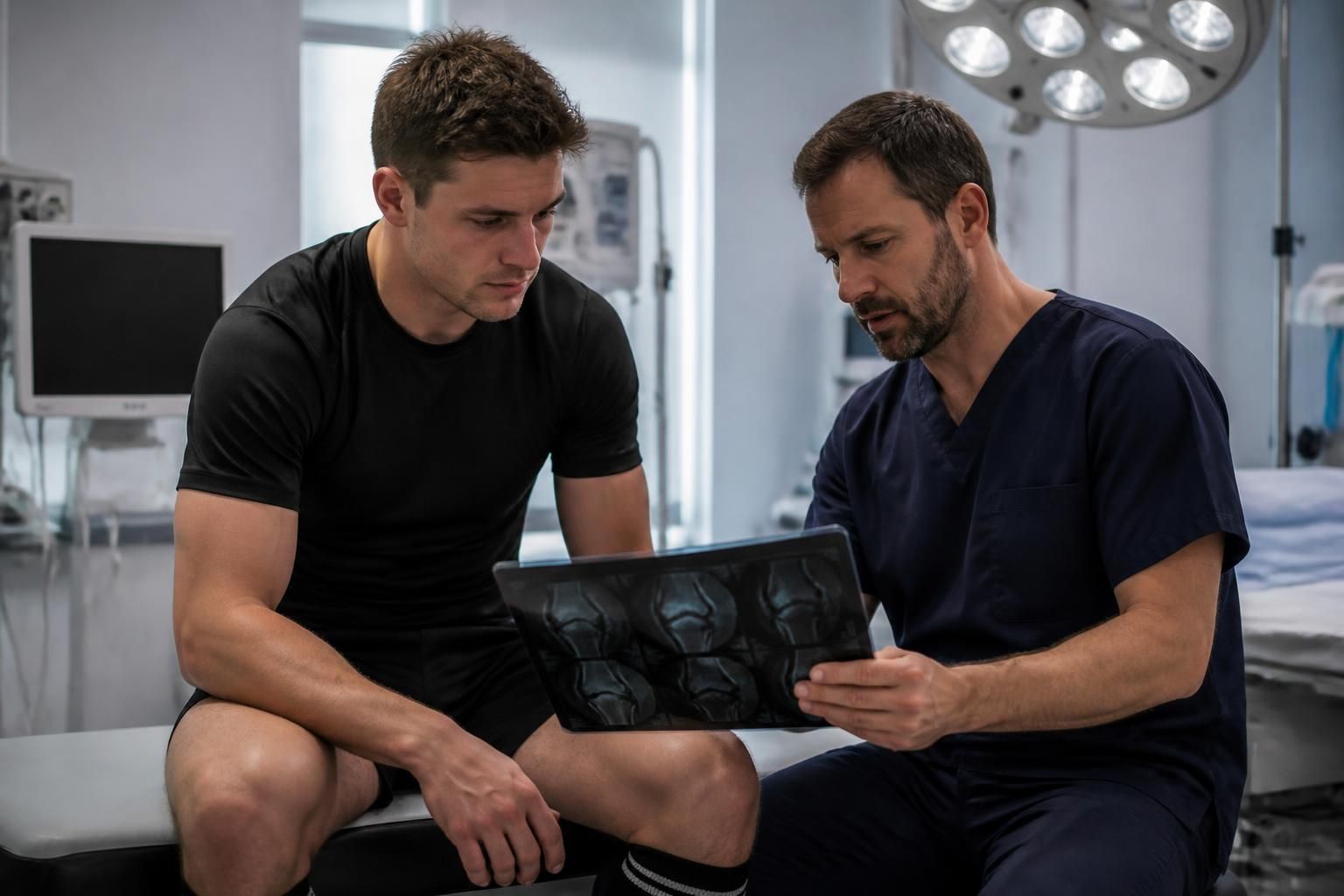
The recent announcement that Scott Barrett, the steadfast captain of the All Blacks and pivotal second-row player, will undergo back surgery casts a lengthy shadow over the upcoming rugby calendar. With a potential recovery period extending up to five months, Barrett’s enforced hiatus from active competition disrupts not only his career momentum but also the strategic blueprint of both his Super Rugby team, the Canterbury Crusaders, and the New Zealand national side.
This setback could not come at a worse time. With the All Blacks scheduled to open their season against France in early July, followed by key tests against Italy and Ireland within the Nations Championship, Barrett’s absence leaves a significant leadership void. The looming August tour of South Africa features a grueling four-Test series against the reigning world champions, intensifying concerns over how the team will adapt without their captain and emotional anchor.
The complexity of Barrett’s situation becomes clearer considering his recent history. After taking a sabbatical year and undergoing surgery on an ankle and Achilles tendon, hopes were high for his anticipated return to lead the Crusaders in 2026. However, an unresolved back injury now necessitates surgery, halting these plans abruptly. This misfortune highlights ongoing challenges in managing player health amid the demanding physicality of professional rugby.
Impact of Scott Barrett’s Injury on Rugby in 2026
The ramifications of Barrett’s surgery stretch beyond his personal recovery timeline. The All Blacks are deprived of their captain’s on-field presence, a loss that is as tactical as it is psychological. Barrett’s ability to marshal the forwards, inspire resilience, and provide stability in set-piece play is irreplaceable. His absence places immediate pressure on interim leaders like Ardie Savea, a seasoned loose forward with the leadership qualities necessary to guide the squad through this turbulent period under the fresh management of coach Dave Rennie.
Similarly, the Crusaders face a precarious position in the Super Rugby standings. With Will Jordan, another key player, sidelined due to a calf injury, their prospects for a strong home playoff position hinge on the squad’s ability to compensate for these absences. The team’s upcoming match against the top-placed Wellington Hurricanes is critical, illustrating the broader competitive challenges triggered by Barrett’s unavailability.
Challenges in Sports Medicine and Player Recovery
Barrett’s situation illuminates the delicate balance professional rugby must strike between competition demands and player health. Despite advances in sports medicine, managing chronic injuries like Barrett’s back problem remains complex. Non-invasive treatments failed to provide relief, resulting in the decision for surgery—an extreme measure that promises a full recovery but requires significant downtime. This case exemplifies the evolving landscape where medical decisions become paramount in prolonging athletic careers without compromising long-term well-being.
Leadership Alternatives Amid Barrett’s Absence
With Barrett sidelined, the onus naturally shifts to trusted veterans within the squad. Ardie Savea, already familiar with the nuances of All Blacks leadership, emerges as the prime candidate to shoulder the captaincy responsibilities. His experience and dynamic playing style offer a credible substitute, though the transition will demand adjustments both on and off the pitch to maintain performance and morale.
Barrett’s teammate Will Jordan’s calf injury compounds the leadership gaps at critical positions. These setbacks test the depth and resilience of New Zealand rugby as the squad prepares for a demanding series of international fixtures and domestic battles. The scenario challenges the coaching staff to recalibrate strategies, emphasizing adaptability and squad rotation to overcome adversity while sustaining competitive edge.