
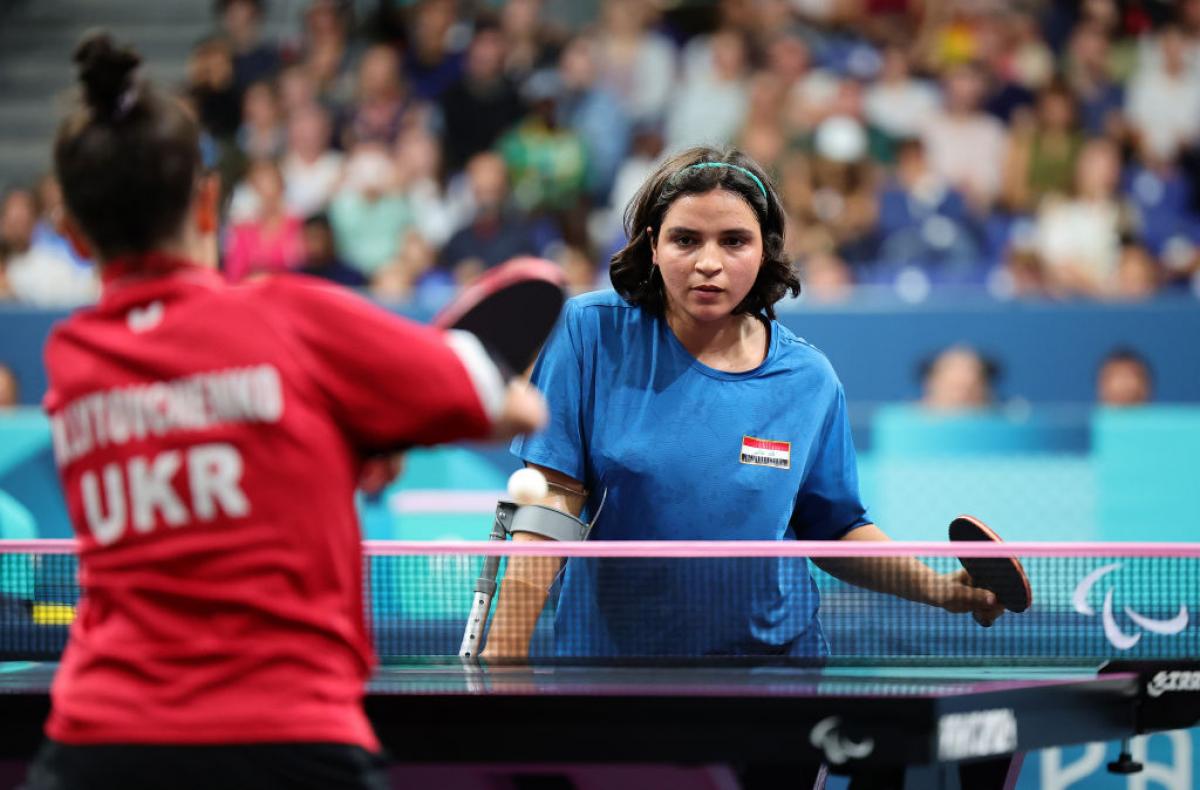
Table Tennis is making waves in 2026, thanks largely to a groundbreaking all-female tournament gaining traction among growing audiences. This surge highlights not only the sport’s infectious energy but also female empowerment and rising interest around women in sports. The tournament isn’t just a fleeting spectacle; it refocuses attention on ping pong as a serious sports competition, showcasing the incredible skill and determination of female athletes. Far from traditional sidelines, these athletes are stepping into the spotlight, captivating fans with fast-paced matches and strategic play, thereby expanding the community around table tennis.
What’s particularly striking is how this competition fills a void left by the absence of a formal female team championship in regions like Rhône. The efforts by local organizations are sparking a wider movement aimed at feminizing the sport, where women currently represent just a minor share of participants — only about 13.2% in the Auvergne-Rhône-Alpes league, with an even smaller percentage in the competitive circuit. This tournament, by providing a dedicated platform, is challenging these statistics and offering a glimpse into a more inclusive future for competitive sports.
An In-Depth Look at the Rise of All-Female Table Tennis Events
Despite the impressive growth in popularity, female table tennis is still struggling for equal footing. The stories behind the scenes often reveal how male figures, like the famous Lebrun brothers, have driven their sport forward but failed to significantly increase female participation. That is slowly changing, thanks to organizers who understand the need for dedicated opportunities. Without female team championships, these tournaments have become crucial to encouraging women to stay and excel in table tennis.
A noteworthy aspect is how this competition is attracting new spectators. The matches deliver a unique blend of agility, strategy, and intensity, elements that have been somewhat underappreciated in the traditional public eye. Fans are rallying behind the players, resonating with their stories and the palpable effort they invest. This connection is essential to transforming a niche event into a mainstream sports event beloved by many.

The Strategic Importance of Dedicated Female Competitions in Table Tennis
Encouraging women to participate in sports like table tennis is about more than just numbers; it’s about restructuring perception. The fact that female competitors make up only around 10% of participants in major competitions shows the uphill battle and solidifies the need for more visible platforms that celebrate female athletes. Organizers want to create an environment where women feel equally valued and where their performances generate genuine excitement. This tournament is a step toward breaking down barriers.
In the broader context of sports worldwide, as interest in female competitions grows, the sport benefits from greater diversity and innovation. Table tennis is no exception. The development strategies that focus on empowering women, enhancing training infrastructures, and promoting grassroots engagement are proving to be vital for sustaining growth. What’s more, this movement adds a refreshing dimension to the game’s narrative, redefining it not merely as a pastime but as an arena for serious, skillful competition.
How Growing Audiences are Changing the Game for Women in Ping Pong
The expanding fanbase around this all-female tournament signals a shift in cultural attitudes toward women in sports. Enthusiasm expressed by audiences—ranging from young fans to seasoned enthusiasts—illustrates that women’s table tennis can draw equal excitement, if not more, than its male counterpart. This momentum is invaluable, as it fuels investment, media attention, and the kind of sponsorships that can elevate players’ careers.
In a region like Rhône, where female representation in table tennis has been modest, this tournament operates as both a beacon and a catalyst. Its success is inspiring for players and administrators who seek long-term change. Observers have noted that while male-driven narratives once took precedence—like those centered on the Lebrun brothers’ legacy—the focus has markedly shifted toward inclusive, female-led competition. Such evolution points to a more balanced and compelling future for the sport.