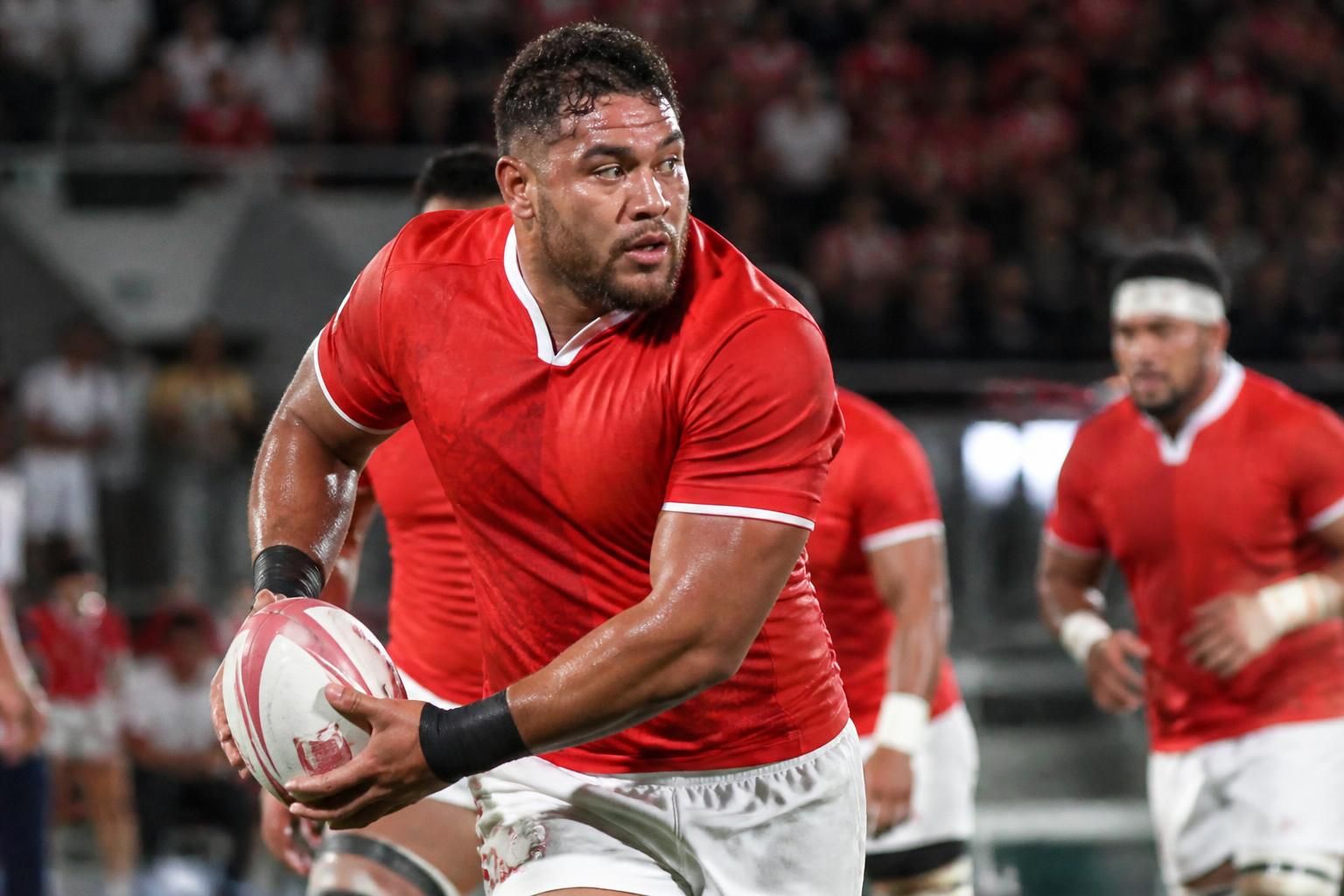
Rugby fans have their attention riveted on Tonga’s latest squad announcement for the upcoming Nations Championship. The ‘Ikale Tahi’ are gearing up to challenge teams like Zimbabwe, Spain, and Portugal this summer, while also facing off against Georgia, Romania, and Hong Kong come autumn. The headline-grabber? The inclusion of Adam Coleman, the towering lock from Bordeaux Bègles fresh off clinching the European Champions Cup. Yet, the squad’s makeup also raises eyebrows with the notable exclusion of rugged prop Ben Tameifuna, a surprise given his recent successes.
This development doesn’t just shake up Tonga’s team dynamics but also invites discussion about player selection strategies and the direction the coaching staff, led by Tevita Tuifua, envisions for 2026. Coleman brings invaluable European top-flight experience and physical presence to the pack, potentially transforming Tonga’s forward play. Meanwhile, leaving Tameifuna out, especially amid competition, sparks speculation on tactical priorities or fitness concerns. The squad also features international talent like the former Stade Toulousain centre Pita Ahki, whose international allegiance shifted from New Zealand U20s and sevens to Tonga at the 2023 World Cup, underscoring the squad’s evolving identity.
While Tonga’s squad announcement generates excitement and debate, it also reflects wider trends in international rugby where heritage players deepen team rosters. The Nations Championship itself promises thrilling matchups and new opportunities for emerging rugby nations to stake their claim on the global stage. For those following the latest rugby news and selections ahead of major competitions, Tonga’s squad details are a compelling snapshot of a team balancing tradition, talent, and tactical ambition.
Tonga’s Bold Squad Selection for Nations Championship Sparks Interest
The decision by Tonga’s coaching staff to include Adam Coleman signals a strategic shift towards leveraging elite European club experience within the Nations Championship squad. Coleman, who plays for the Top 14 powerhouse Bordeaux Bègles and recently celebrated a Champions Cup win, adds significant heft and leadership in the lock position. His presence is expected to anchor Tonga’s forward pack, enhancing scrummaging power and lineout security.
Conversely, excluding Ben Tameifuna—known for his strength and scrummaging prowess and a fellow Bordeaux-Bègles stalwart—raises questions. Is this omission a tactical gamble, a nod to squad balance, or due to fitness concerns? Given Tameifuna’s elite status and recent performances, this player exclusion is a noteworthy deviation from previous squad selections and hints at evolving squad priorities.
Alongside Coleman, the squad features other notable Top 14 talents like the versatile Pita Ahki, whose experience in both New Zealand age-grade teams and the World Rugby Sevens Series before opting for Tonga enriches the backline. This blend of international experience alongside homegrown talent illustrates Tonga’s ambition to field a competitive and adaptable side in the second division of the Nations Championship, facing newcomers like Zimbabwe and Spain and established teams such as Georgia and Romania.
What Tonga’s 2026 Nations Championship Campaign Could Mean for International Rugby
Tonga’s engagement in this restructured Nations Championship, featuring 12 teams across six continents, is emblematic of international rugby’s push to diversify competition. For the ‘Ikale Tahi,’ the series of fixtures—spanning the July and November international windows—offers a platform to showcase rising talent and test their mettle against diverse styles.
The tactical makeup, highlighted by key players like Coleman and Ahki, suggests a team blending physicality with skillful backline play. Tonga’s matchups against Zimbabwe, Spain, and Portugal not only provide a measuring stick for the squad’s cohesion but also highlight the increasing competitiveness of so-called “second-tier” rugby nations.
Moreover, the choices made in team selection – especially around high-profile players – reflect broader trends in how nations manage player availability, heritage qualifications, and team chemistry to build squads capable of challenging established rugby powers. Tonga’s prepared face-off against teams like Georgia and Romania later in the year may well signal an era of increasing parity and excitement in international rugby circuits.
As this new chapter unfolds, keeping an eye on Tonga’s progression and player utilization — especially regarding last-minute selections or omissions such as Ben Tameifuna — will be essential for understanding the dynamic nature of international rugby team management and tournament impact in 2026.
For more updates on rugby’s evolving landscape and detailed coverage of player movements, check out insights from Bordeaux Bègles recent Champions Cup triumph and deep dives into the World Cup’s ongoing influence on international selections.