
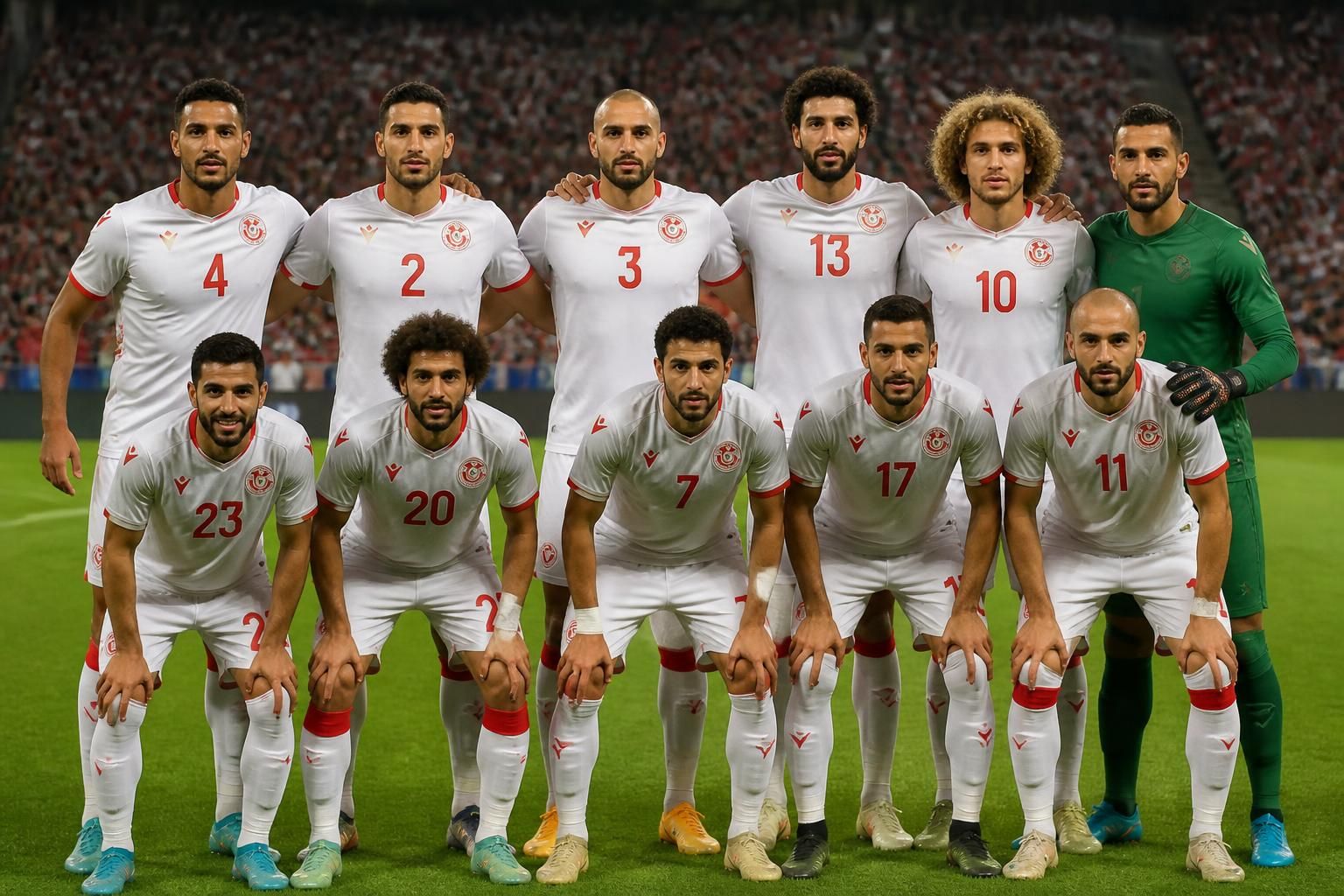
The Tunisia team lineup for the 2026 World Cup sparks curiosity as the Eagles of Carthage gear up for a challenging campaign in North America. This squad, under coach Sabri Lamouchi’s disciplined leadership, boasts an unyielding defense that dazzled during qualifiers by not conceding a single goal. Yet, their offensive limitations raise eyebrows among fans and critics alike. Positioned in a demanding Group F alongside the Netherlands, Japan, and Sweden, Tunisia’s tactical choices and key players like Ellyes Skhiri and Hannibal Mejbri will be pivotal in their quest to finally break past the group stage barrier that has eluded them in six previous World Cups. We’ll dive into the squad’s formation, key figures, and what their prospects are in what promises to be one of the toughest groups in the tournament.
Here’s the lowdown on Tunisia’s World Cup 2026 squad, their tactical setup, and what to expect from their intriguing journey in Group F:
Tunisia’s 2026 World Cup squad — key players, tactics, and formation preview
Tunisia approaches the 2026 FIFA World Cup with a twofold objective: cementing their defensive reputation and finally making a splash beyond the group stage. With head coach Sabri Lamouchi at the helm, known for his pragmatic and tactically disciplined approach, the team relies on a 4-2-3-1 formation that balances defensive solidity with opportunities to strike on the counterattack. The midfield duo of Ellyes Skhiri and Mohamed Belhadj Mahmoud operates as a stubborn shield, disrupting opposition advances and forming the backbone for rapid transitions.
For a squad that sailed through CAF qualifiers without letting in a single goal, their defensive prowess is undeniable. Central defenders like Dylan Bronn and Montassar Talbi bring aerial strength and positional awareness, while the full-backs maintain both width and defensive discipline. Yet, despite this fortress-like defense, Tunisia’s true concern remains their offensive output. Forward players, including Adel Bettaieb, are tasked with converting limited chances against technically superior teams.
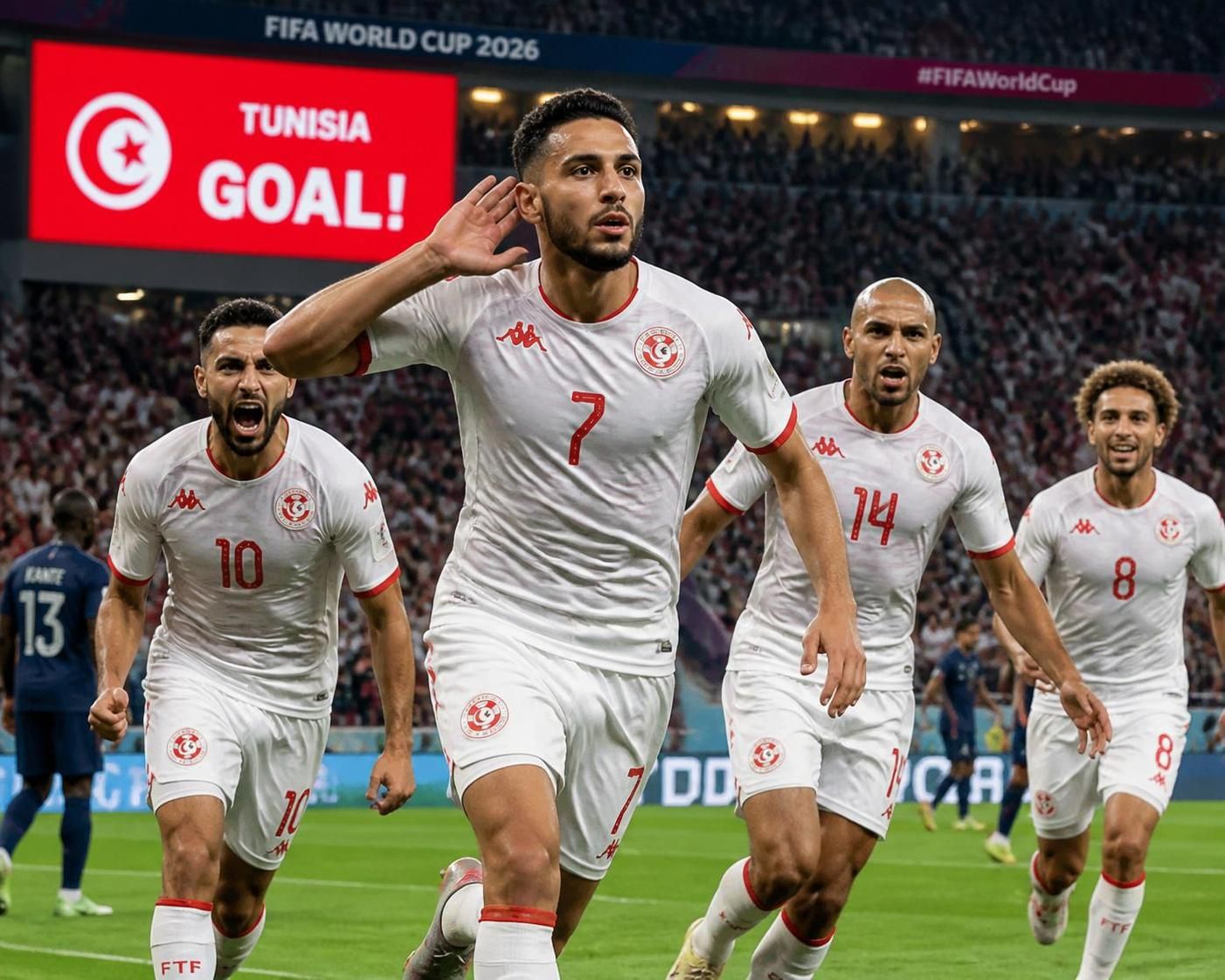
How Tunisia’s tactical discipline shapes their World Cup strategy
Tunisia is the quintessential example of a team that plays to its strengths, emphasizing a compact defensive block and meticulously organized midfield. Lamouchi’s strategy revolves around absorbing pressure and striking swiftly on counterattacks, thanks to quick-footed wingers like Elias Saad and Amor Layouni. This approach aims to exploit gaps in the defenses of Japan, the Netherlands, and Sweden — teams known for their attacking flair but sometimes vulnerable to quick transitions.
This tactic is a double-edged sword: while Tunisia’s low block frustrates opponents and reduces goal-scoring opportunities, it sometimes renders their own attack disjointed and reactive rather than proactive. The true test will be whether Tunisia can sharpen their offensive edge enough to snag points and avoid the pitfalls of their previous World Cup campaigns.
Key players to watch in Tunisia’s World Cup 2026 squad
The spotlight shines brightest on Ellyes Skhiri, Tunisia’s captain and midfield mainstay. His defensive acumen, ability to intercept passes, and leadership qualities make him indispensable in shielding the backline. At 31, Skhiri blends veteran savvy with energy and tactical intelligence, shaping Tunisia’s midfield engine.
Creativity and flair come courtesy of Hannibal Mejbri, a dynamic midfielder tasked with breaking down tough defenses. His technical skills and vision offer hope for unlocking tight matches. Up front, Adel Bettaieb shoulders the responsibility of turning chances into goals — a tall order given Tunisia’s tendency to create limited opportunities in high-pressure games.
Defensive stalwarts like Dylan Bronn and Montassar Talbi will be instrumental in keeping the Eagles of Carthage competitive against clinical attackers. Their experience and composure offer reassurance amid the intensity of World Cup pressure.
Group stage outlook: Tunisia’s challenge in Group F
Drawing the Netherlands, Japan, and Sweden in Group F throws Tunisia into a crucible of tough tests. The Dutch team, favored to top the group, poses the most formidable opposition, known for sharp tactical execution and potent offense. Japan, recognized for their discipline and technical ability, offers a matchup where Tunisia’s defensive mettle will be severely tested. Sweden’s high work rate and physicality also complicate Tunisia’s path.
Success for Tunisia will hinge on their ability to frustrate opponents defensively while capitalizing on fleeting attacking moments. Securing points against Japan would be a significant dent in the group dynamics and could set up a tense confrontation with the Netherlands. Tactical discipline combined with moments of individual brilliance from the squad’s key players might just carve a way to the knockout stages — an ambition Tunisia has chased but never realized in six World Cup appearances.
For fans eager to track every twist and turn of Tunisia’s campaign, details on their match schedules and comprehensive group insights can be found through resources like this complete guide to the World Cup 2026 groups and the detailed Tunisia vs Japan World Cup preview.