
As the 2026 FIFA World Cup kicks off with a bang, Germany’s head coach Julian Nagelsmann is stepping up to calm anxieties swirling around the squad’s injury situation. After a resounding 7-1 victory against Curaçao, it might sound like smooth sailing for the German team, but behind the scenes, whispers about players’ fitness and durability, especially that of midfield dynamo Jamal Musiala, have sparked debates. With pressure hitting a crescendo, Nagelsmann’s recent remarks reflect not just reassurance but also a savvy grasp of team management and player health logistics right on the doorstep of the tournament’s more challenging fixtures.
Musiala, who has endured a rocky road to recovery due to a fractured peroneal bone last year, remains a key element in Nagelsmann’s plans despite sampling some persistent muscle pains that prompted an early exit against Curaçao. The coach dismissed concerns over the youngster’s condition as minor — even though the midfielder made it clear he wasn’t eager to be benched. This tug-of-war underscores the complexity of balancing fitness levels with tactical needs, especially as Germany eyes critical games against tough opponents like Côte d’Ivoire and Ecuador.
Julian Nagelsmann’s Strategic Approach to Injury and Fitness Ahead of Key World Cup Matches
Nagelsmann isn’t just making headlines for his sideline antics; his handling of injury risks and rehabilitation timetables showcases a modern coach’s reliance on sports medicine insights to fine-tune preparation. By delaying squad announcements, the coach bought extra days for uncertain players to prove their readiness, illustrating the interplay between medical evaluations and ruthless competitive drive. This patience could be pivotal as Germany navigates the grueling World Cup schedule spanning the USA, Mexico, and Canada.
While Musiala managed to find the net early against Curaçao, his sporadic fitness still shadows expectations. Nagelsmann emphasized that the player’s prior setbacks justify cautious minutes, ensuring no reckless jumps that might jeopardize longer-term availability. This treatment echoes broader sports medicine principles increasingly embraced across football to prevent premature exits—a concern magnified under tournament spotlight.
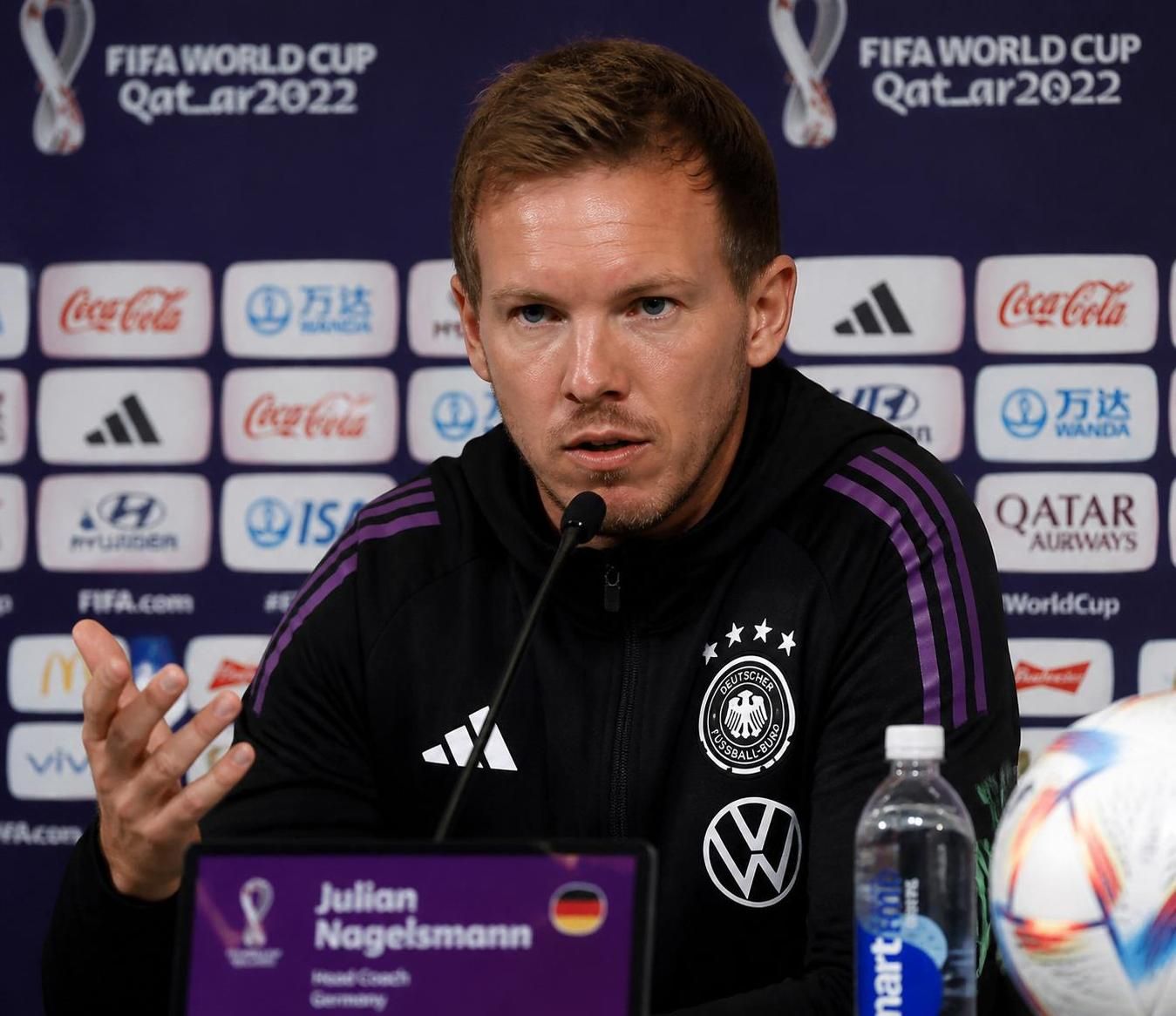
Player Health and Team Dynamics: Managing Star Talents Like Jamal Musiala
The quip from Musiala himself — a cheeky “why do I need to leave?” upon substitution — reveals the fine line between player mentality and coaching strategies. It highlights how top athletes often wrestle with their limits, driven by commitment yet vulnerable to the physical toll. Nagelsmann’s response, framing it as an opportunity for other squad members like Deniz Undav, reflects an astute manager’s balancing act: fostering competition without undermining key players’ confidence.
This dynamic encapsulates a larger trend in elite football where rehabilitation and rotation policies are just as critical as matchday tactics. With essential starters like Marc André ter Stegen sidelined due to season-ending injuries, Nagelsmann must constantly recalibrate options, integrating younger or less experienced players without compromising performance quality.
Germany’s Lineup Choices: Reflecting Injury Realities and Tactical Ambitions
The current World Cup roster mirrors this cautious yet ambitious approach. The squad features a blend of seasoned pros and emerging talents, many grappling with recent injury battles. From veterans like Manuel Neuer to promising youngsters like Maximilian Beier, each player embodies varying stages of recovery and fitness.
Nagelsmann’s lineup decisions serve as a real-time case study in leveraging manpower amidst uncertainties. Prioritizing health translates into selective appearances, tactical adjustments, and sometimes controversial exclusions — a balancing act that can make or break Germany’s quest for World Cup glory.
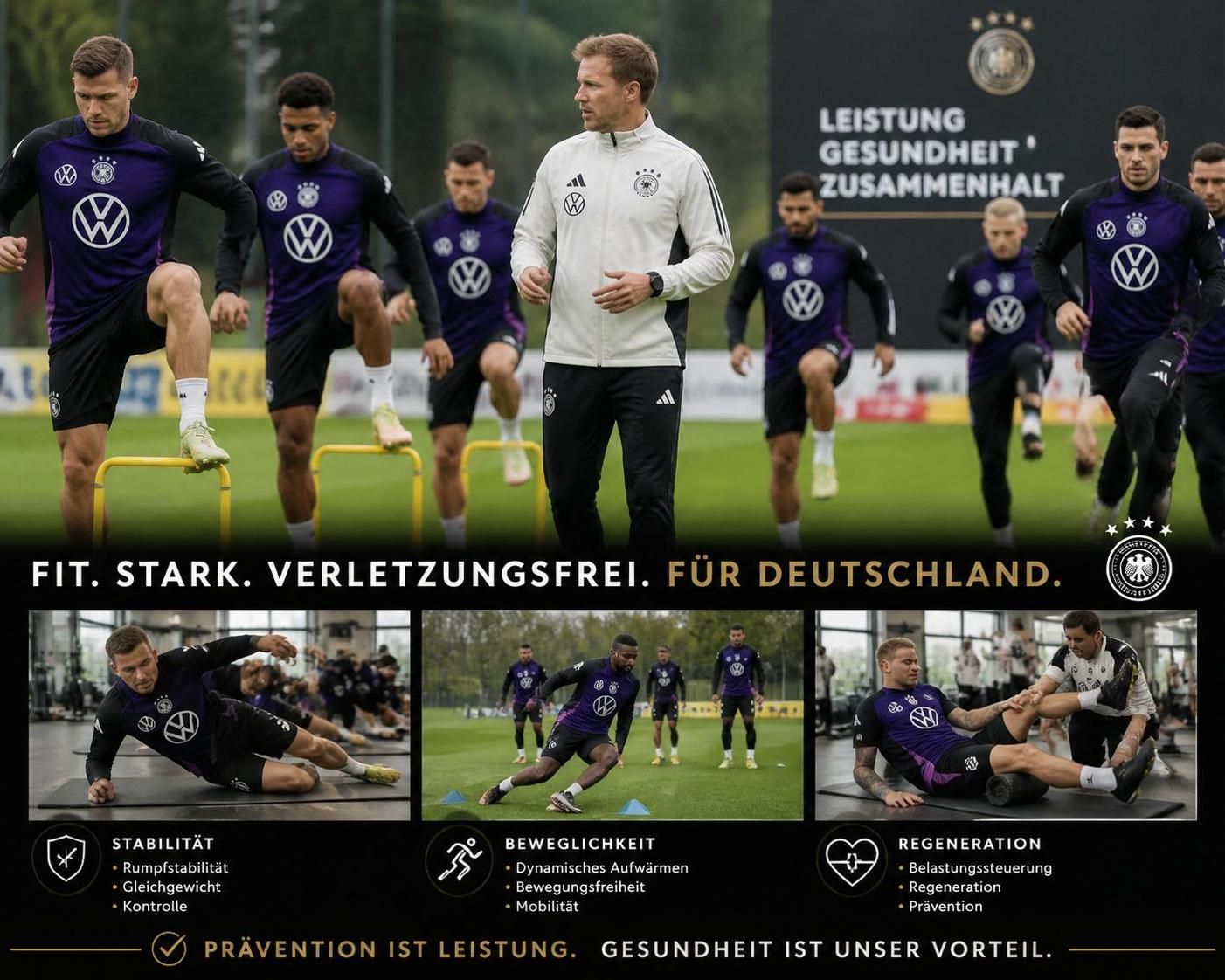
For those passionate about the intricate dance of sports medicine, team management, and tactical setup in one of football’s grandest stages, Nagelsmann’s experience offers compelling insights. The World Cup is a brutal proving ground not only for skills but also for how well a coach adapts to the ever-unpredictable human body under relentless pressure.
As the tournament unfolds, the crucial question looms: will Germany’s finest overcome their physical hurdles, or will injuries shape the narrative more than anticipated glory? Keep an eye on how player health strategies and fitness science influence outcomes here. And remember, sometimes a player sitting on the bench is just the wisest call a manager can make—no matter what the player says about “why they need to leave.”
For more on the fascinating intersection of surgery and sports performance in team sports, those interested can check how Scott Barrett’s return after surgery sets a precedent for elite athlete recoveries. Meanwhile, broader perspectives on injury comebacks can be explored through the inspiring journey of Rune’s Wimbledon recovery, underscoring universal themes in competitive sport resilience.