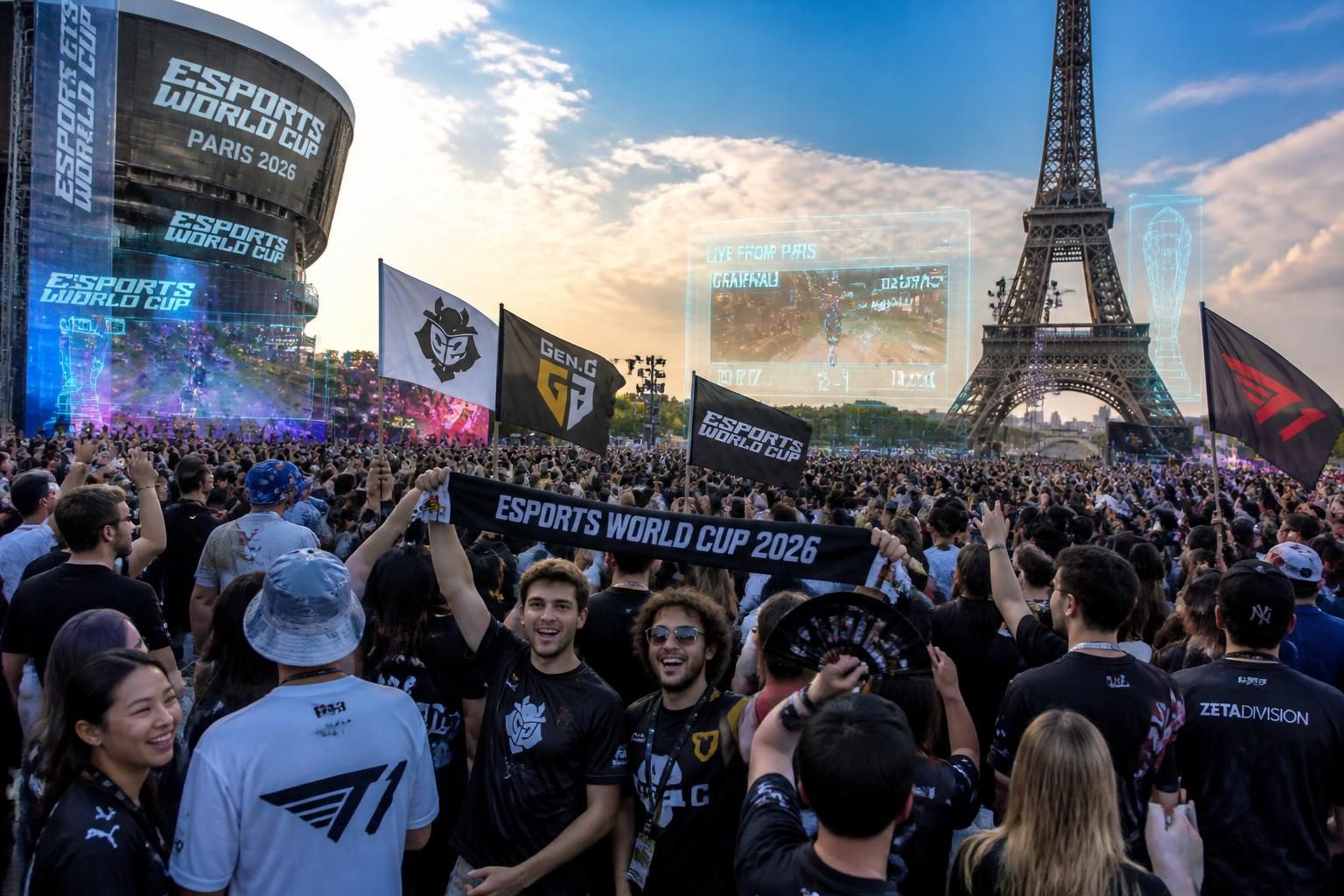
Paris is abuzz with energy as the Esports World Cup 2026 casts its digital spell over the City of Lights. Since July 6, thousands of fans have poured into the sprawling 45,000 m² venue at the Parc des Expositions de la Porte de Versailles, drawn by the thrilling live competitions featuring the world’s top gamers from over 100 countries. This grand spectacle, funded by the Saudi sovereign wealth fund, stages 25 tournaments across multiple titles like League of Legends, Valorant, Dota 2, Rocket League, and Tekken, all competing for a staggering $75 million prize pool. Unlike traditional national team formats, the tournament sees players representing their clubs, creating a dynamic global mix that sparks fierce rivalries and eye-popping matchups. Originally slated for Riyadh, the competition relocated to Paris following geopolitical unrest, turning the French capital into the unexpected epicenter of global esports excitement this summer.
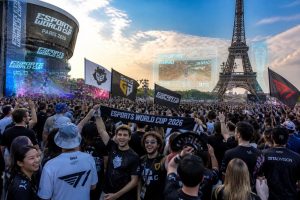
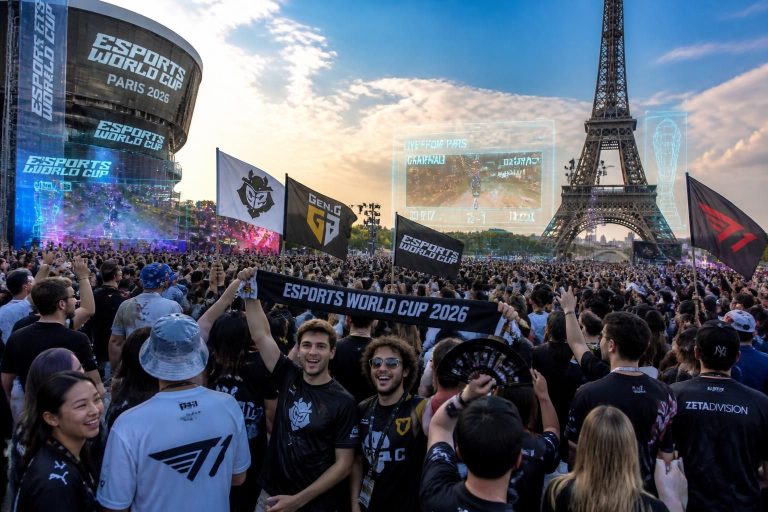
Thousands of attendees thrive in an electrifying atmosphere reminiscent of Olympic games, with gigantic screens and dozens of stages where the likes of French CS:GO star Zywoo and League of Legends legend Faker showcase their skills. Fans like 19-year-old Lucas live for the pulse-pounding thrill of watching these esports gladiators battle it out, admitting the buzz and communal roar of the crowd sends adrenaline surging. Meanwhile, enthusiasts like Marc, a devoted 23-year-old follower, vow to keep returning week after week. The Esports World Cup has not only captured gaming fans’ hearts but also transformed Paris into a lively hub of social gatherings, fandom, and interactive events. The celebration continues beyond the arena with a pedestrianized Champs-Élysées planned for August 2, providing a giant village for games and fan meetups. For those eager to dive deeper into this phenomenon, the Esports World Cup Paris coverage offers comprehensive insights and updates.
Massive Turnout of Fans Amplifies the Thrill of Esports Competitions in Paris
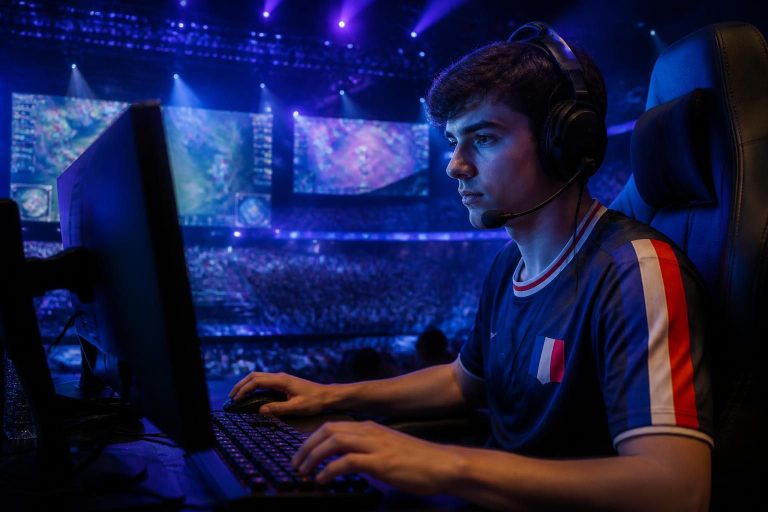
The sheer scale of the Esports World Cup 2026 in Paris is nothing short of jaw-dropping. Drawing in roughly 2,000 pro players from some 200 clubs, the tournament mixes multiple game titles, blending nail-biting strategy with high-octane reflexes. This multi-game format stands out by uniting both legacy titles like League of Legends and newer fan-favorites such as Valorant and Rocket League. The result? A gaming festival buzzing with diversity and dynamism that keeps spectators on the edge of their seats.
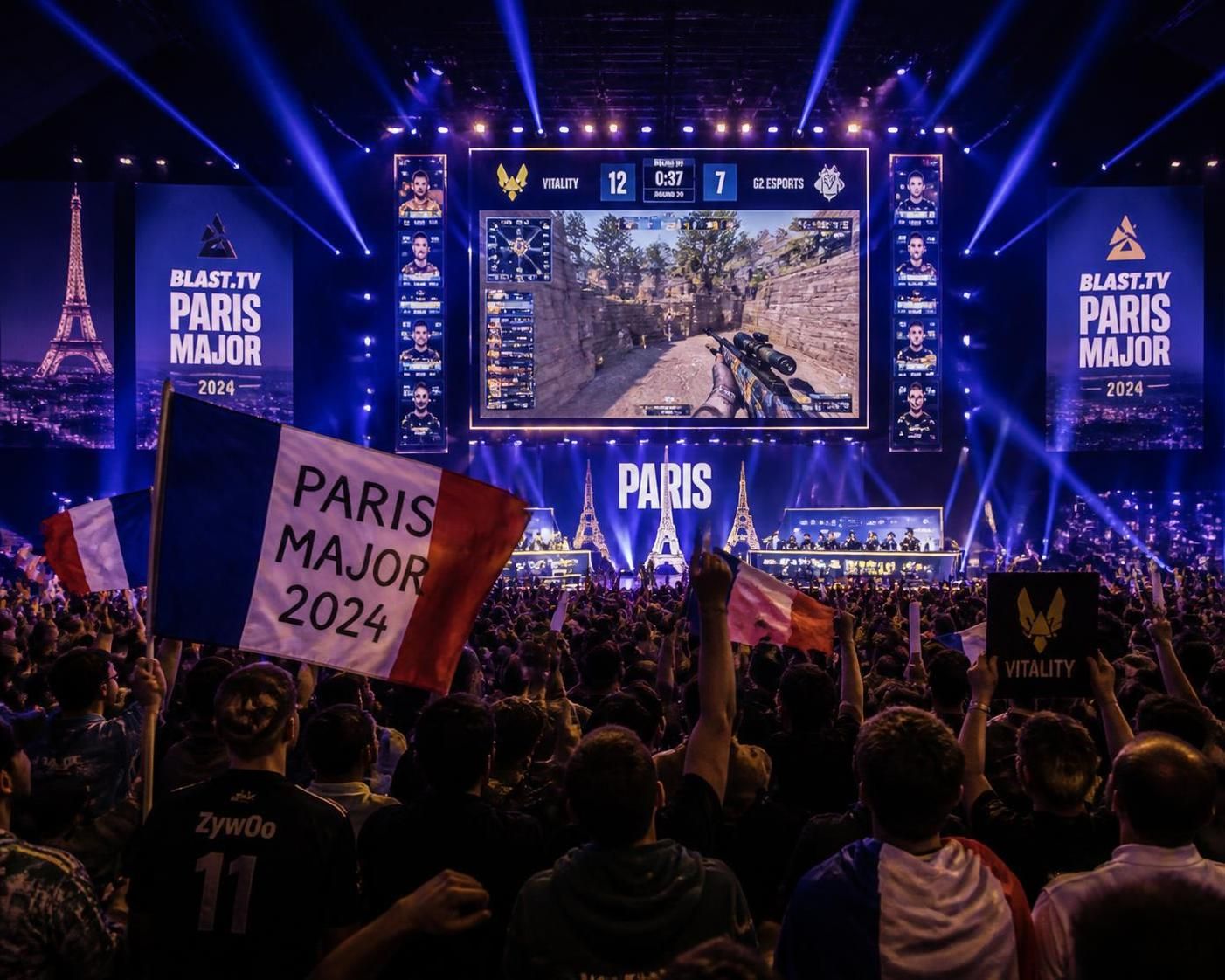
In terms of fan presence, Paris has embraced the event with open arms. The venue resembles a gaming coliseum decked out with hundreds of massive screens, allowing every spectator to catch the pulse of the gameplay. The community vibe is palpable. From rowdy cheers echoing through the halls to intense social interactions in dedicated fan zones, the Esports World Cup transcends mere gaming to become a social and cultural phenomenon.
A Tournament Unlike Any Other: Club Rivalries and Global Reach
Esports World Cup defies the conventional country-vs-country structure that traditional World Cups cling to. Here, players compete for their respective clubs — an approach that injects fresh narratives and escalates the contest’s intensity. This club-based setup fosters global rivalries that stretch across continents, bridging cultural gaps through a shared passion for gaming excellence.
This model has resonated with the esports scene, propelling the World Cup to become a pinnacle event of the season with massive stakes on the line. The enormous prize pool, backed by Saudi Arabia’s sovereign wealth, elevates the competition’s prestige and intensifies the desire to claim the ultimate throne in esports.
Technical Innovations and Event Planning Elevate the 2026 Esports Experience
Beyond the powerhouse line-up of gamers and games, the 2026 Esports World Cup is pushing the envelope on event production and tech innovation. Seven weeks of nonstop tournaments have been masterfully organized, featuring dozens of stages and a logistical setup reminiscent of a major sporting event. The infrastructure is designed to accommodate not only the players but also the tens of thousands of fans eager to witness the thrill live.
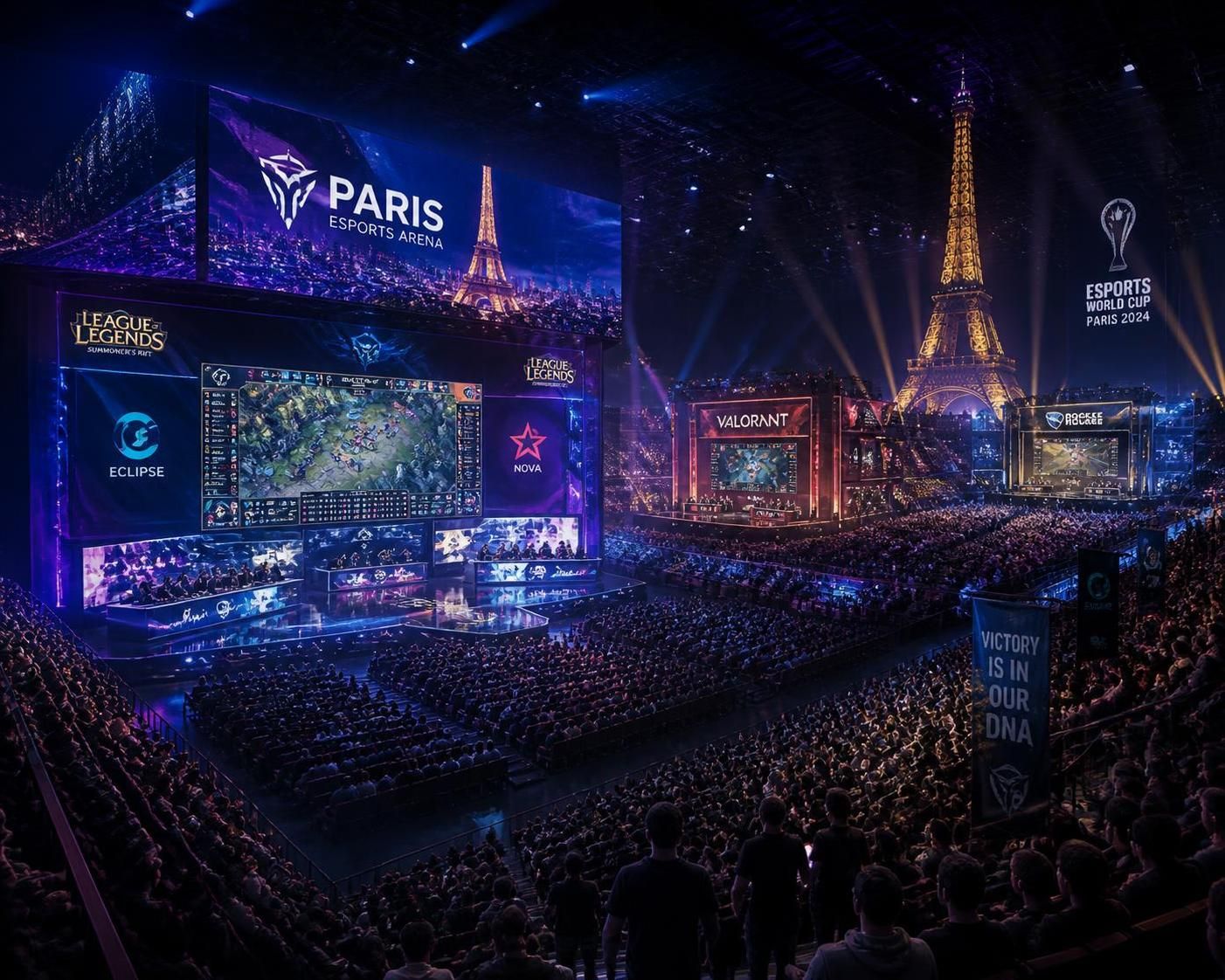
One standout aspect is the integration of cutting-edge streaming technology, enabling fans unable to attend in person to experience live matches with cinematic flair. Platforms such as RTBF Auvio offer extensive live coverage, ensuring accessibility and enhancing viewership globally. For those interested, watching the EA FC 26 Tournament live at the Esports World Cup showcases the seamless blend of gaming and broadcasting expertise.
Paris as a Strategic and Cultural Host City
While the move from Riyadh was unplanned, Paris quickly rose to the occasion, proving itself a capable and charismatic host. The city’s deep love for sports and culture offers a perfect backdrop for the international gathering, amplifying the tournament’s festive mood. From the historic Parc des Expositions to the vibrant Champs-Élysées celebrations, esports fans find themselves immersed in an experience that’s as much about gaming skills as it is about community vibes and urban buzz.